Transforming a small apartment living room into a stylish and functional space is easier than you think. With a few clever design tricks and smart decor choices, you can maximize every square foot without sacrificing comfort or personality. Whether you prefer minimalism, bold colors, or cozy textures, these 27 ideas will inspire you to create a living room that feels open, inviting, and uniquely yours.
1. Go for Light Neutral Palettes
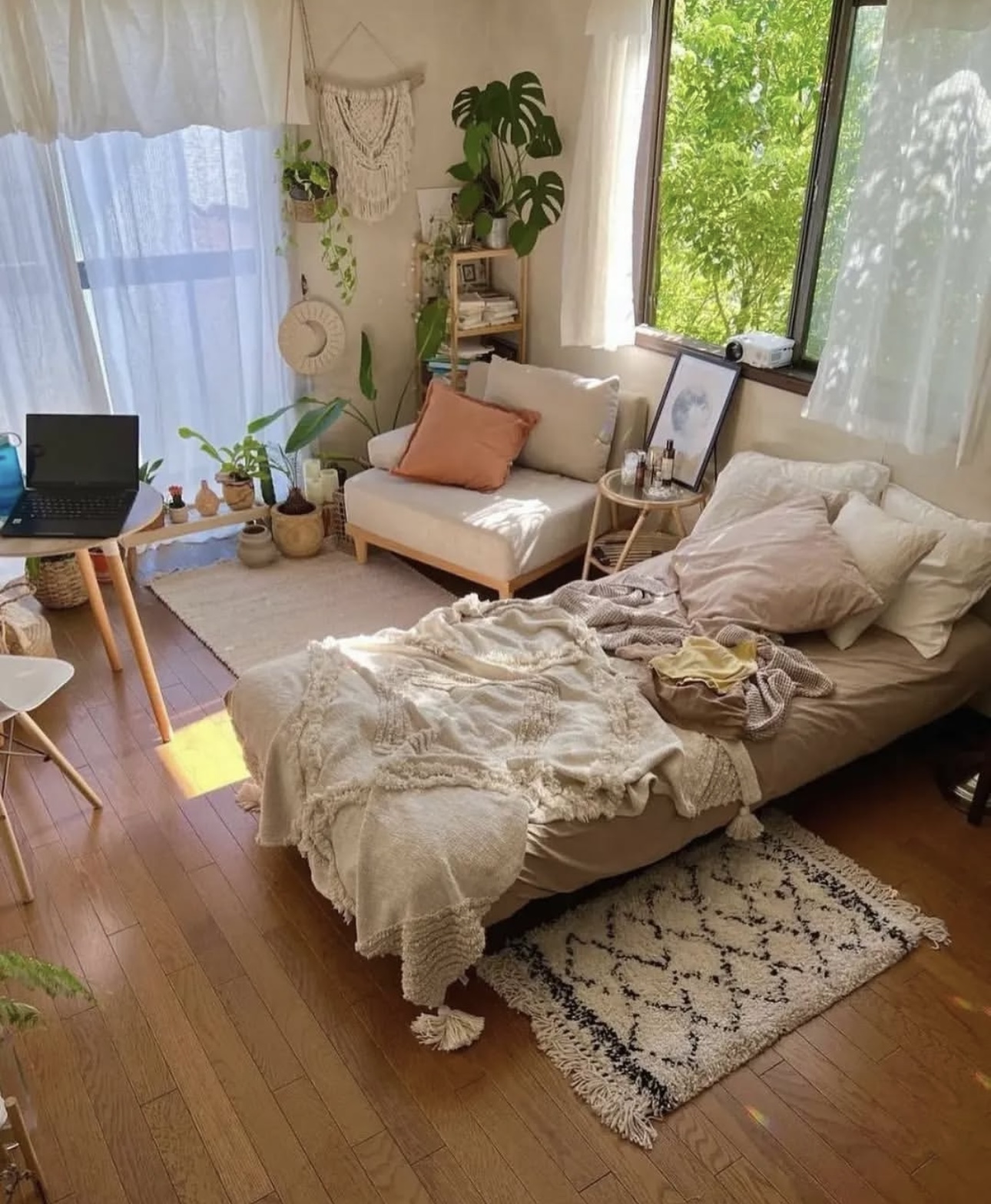
Light neutrals like beige, cream, and soft gray reflect natural light and make a room feel airy and expansive. Use them on walls, larger furniture, and rugs to create a calm backdrop, then add personality with colorful throw pillows, artwork, or a vibrant accent chair. This approach keeps your space bright and cohesive while allowing you to easily swap accents when you crave a fresh look.
2. Give It a Cozy Feel
Recommended For You
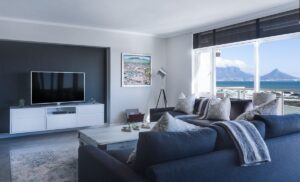
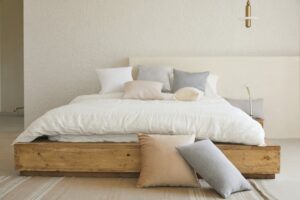
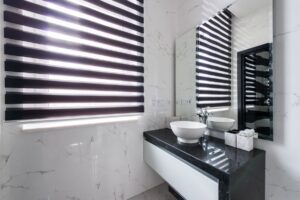
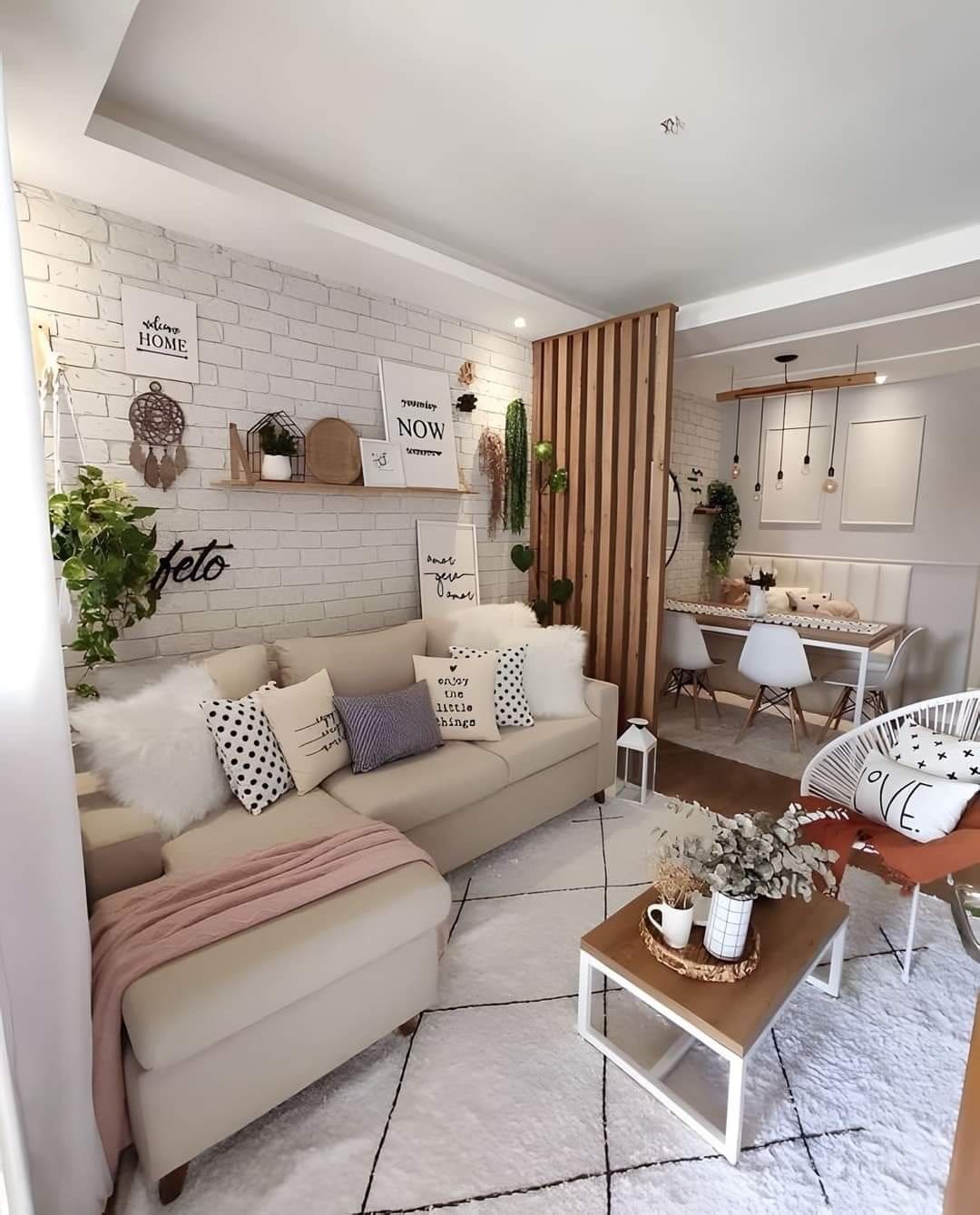
Soft textures are the secret to a warm, inviting living room. Drape a chunky knit throw over the sofa, pile on plush cushions, and lay down a fluffy area rug to instantly add comfort. These tactile elements not only feel luxurious but also create a snug atmosphere that makes you want to curl up and stay a while.
3. Create a Focal Point
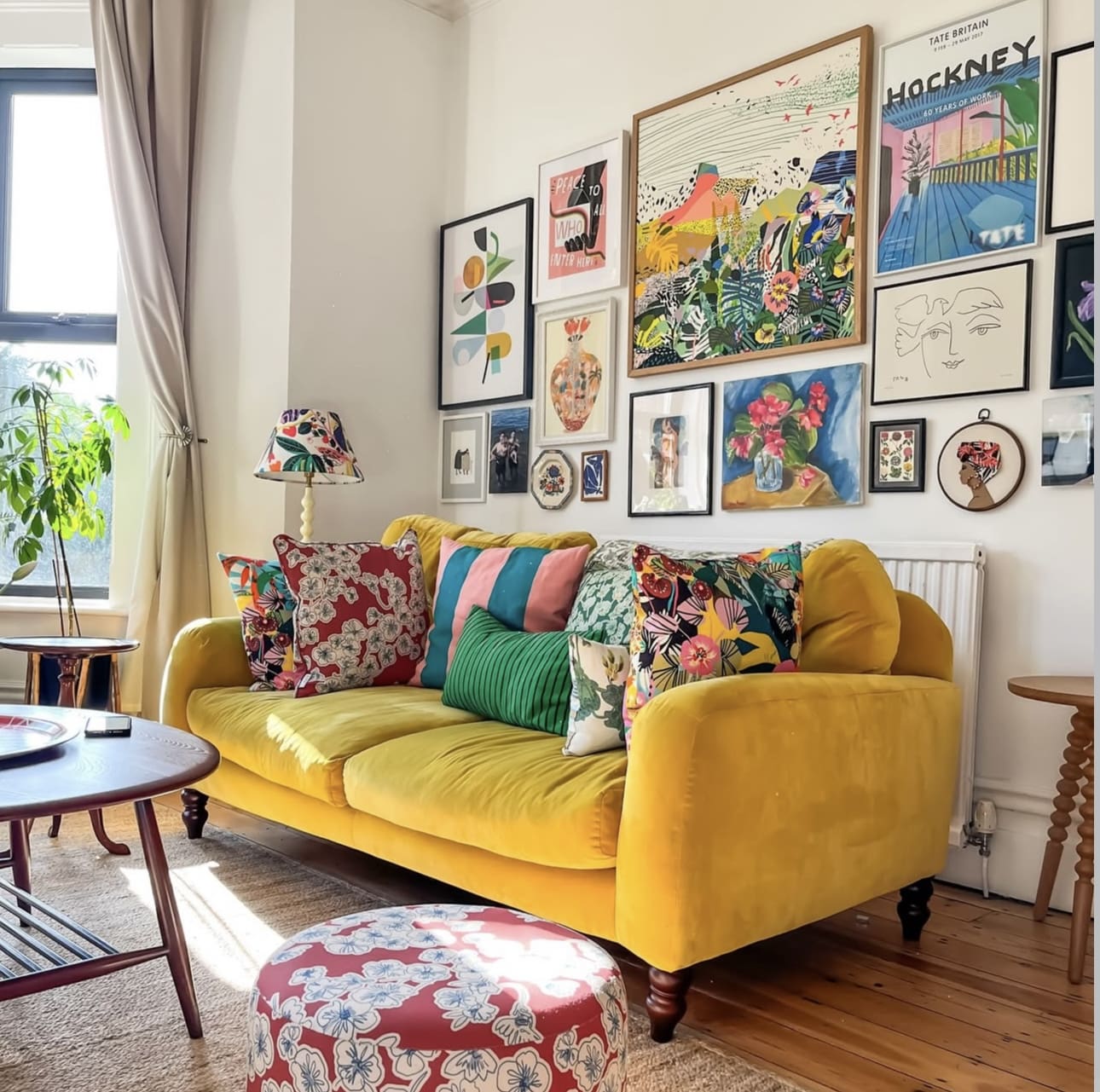
Every room needs a visual anchor—whether it’s a statement fireplace, a bold piece of art, or a striking architectural feature. A well-chosen focal point draws the eye and gives the space direction, making even a small room feel intentionally designed and put together.
4. Use Large-scale Art
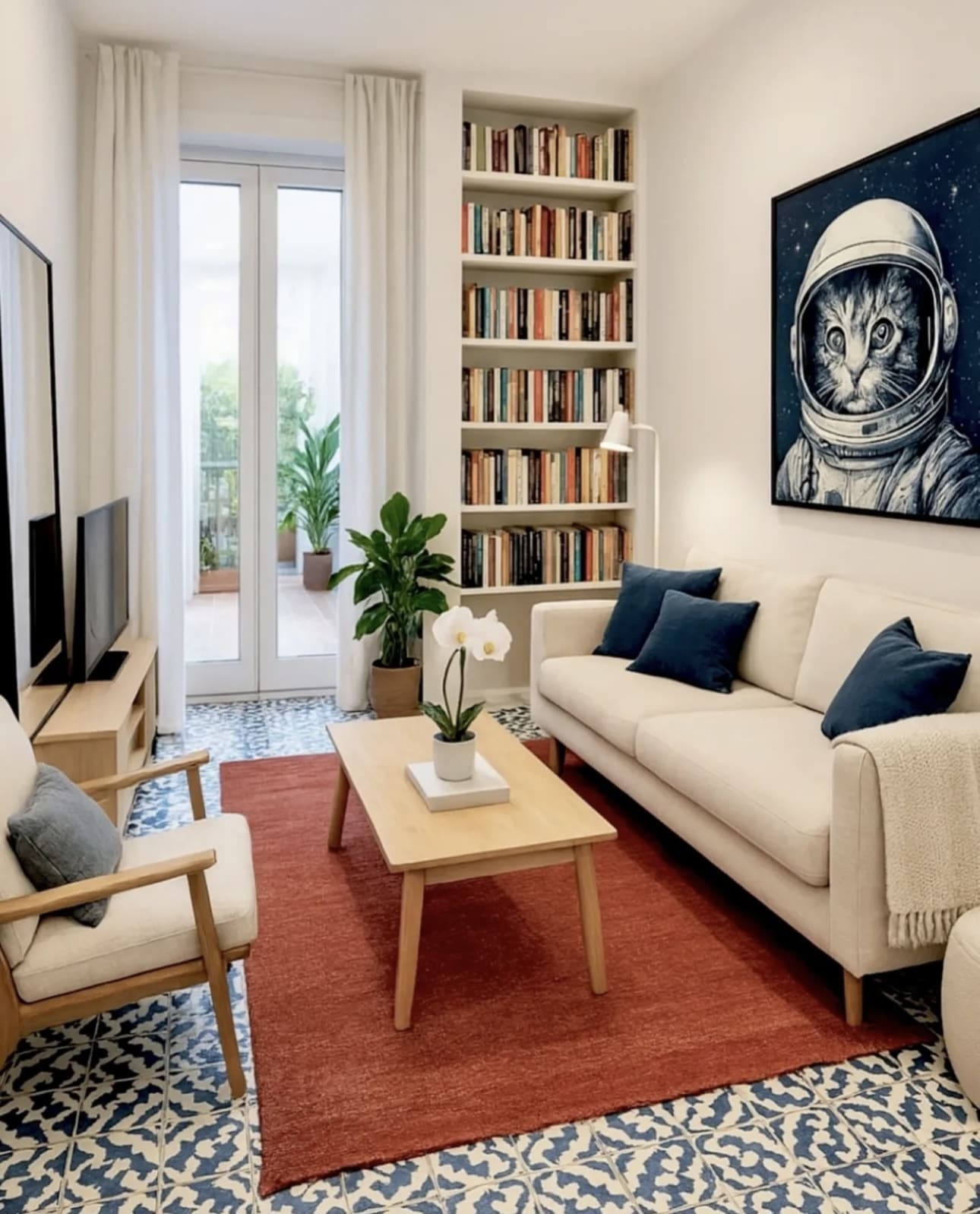
Don’t be afraid to go big with artwork in a compact space. A large-scale canvas or framed print can actually make the room feel taller and more expansive by drawing the eye upward. It becomes an instant conversation piece and adds a layer of sophistication that smaller pieces can’t achieve.
5. Use Bold Colors
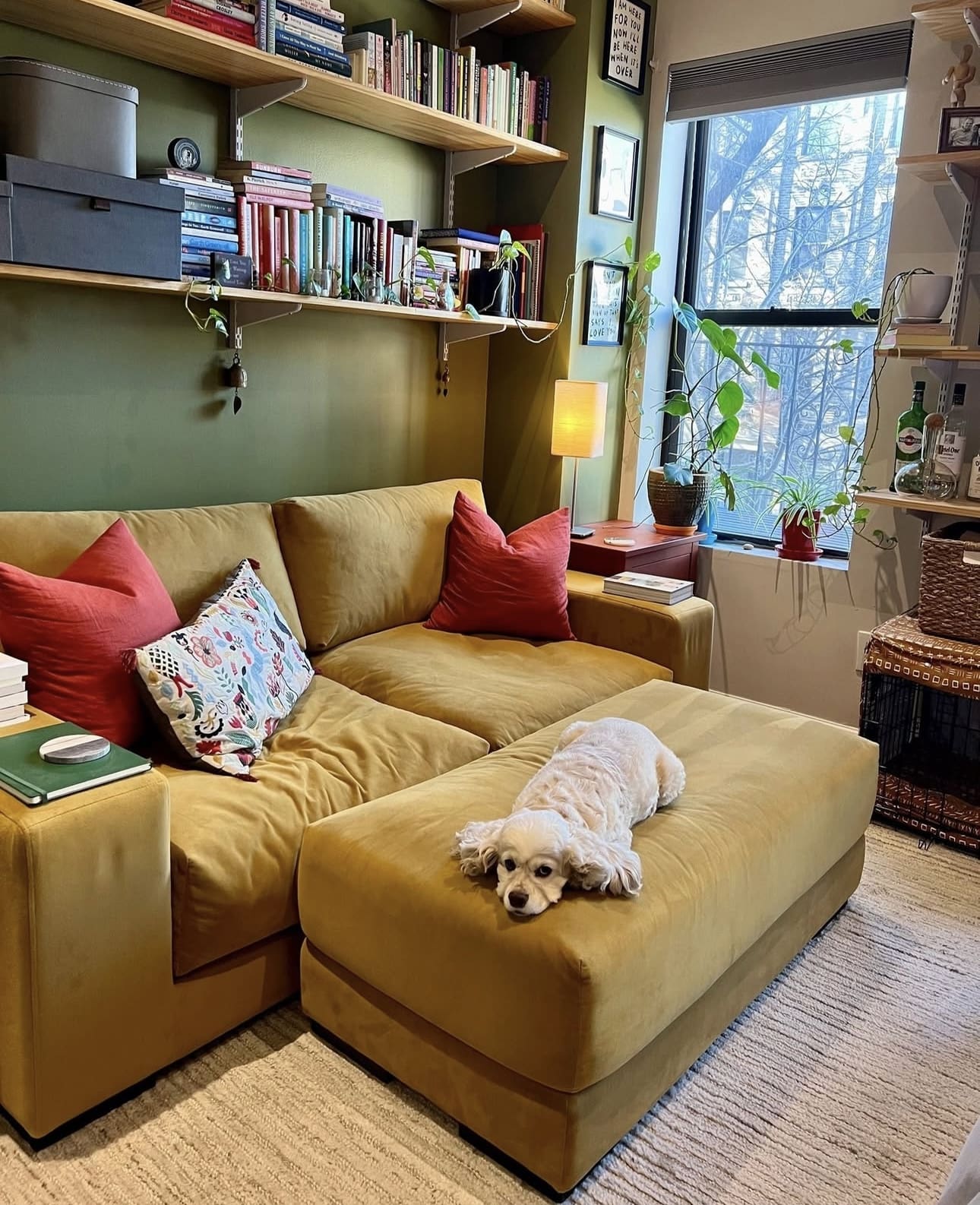
If neutrals feel too safe, inject bold hues like emerald green, navy blue, or mustard yellow. Use them on an accent wall, a rug, or a piece of furniture. Bold colors add energy and depth, making the room feel lively and personal, while still maintaining a cozy, intimate vibe.
6. Choose Slim Furniture
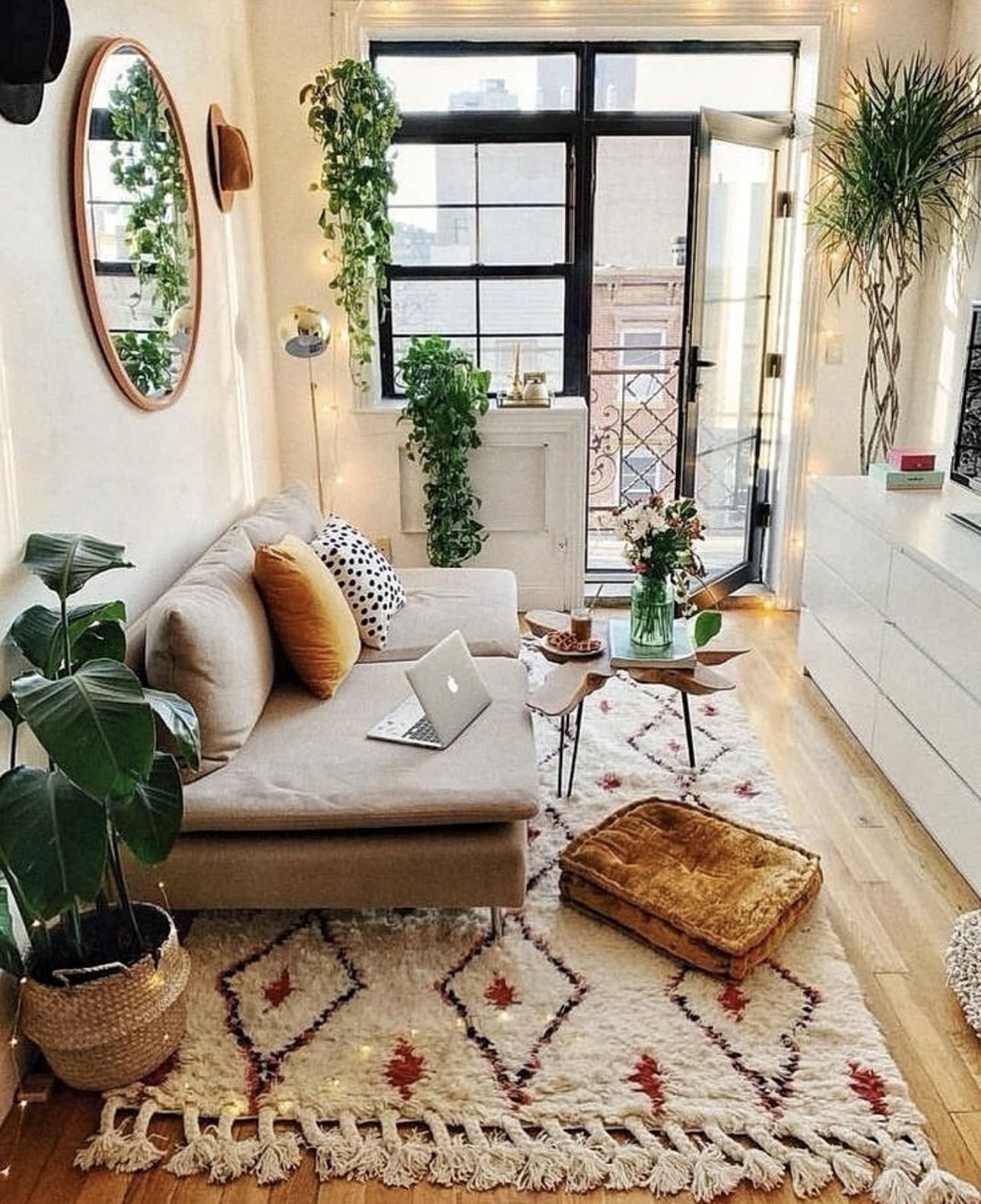
In a small living room, bulky furniture can quickly overwhelm the space. Opt for slim-profile sofas, armchairs with slender arms, and narrow console tables. These pieces take up less visual and physical room, leaving more floor space for movement and making the area feel lighter and more open.
7. Hang Artworks for Visual Interest
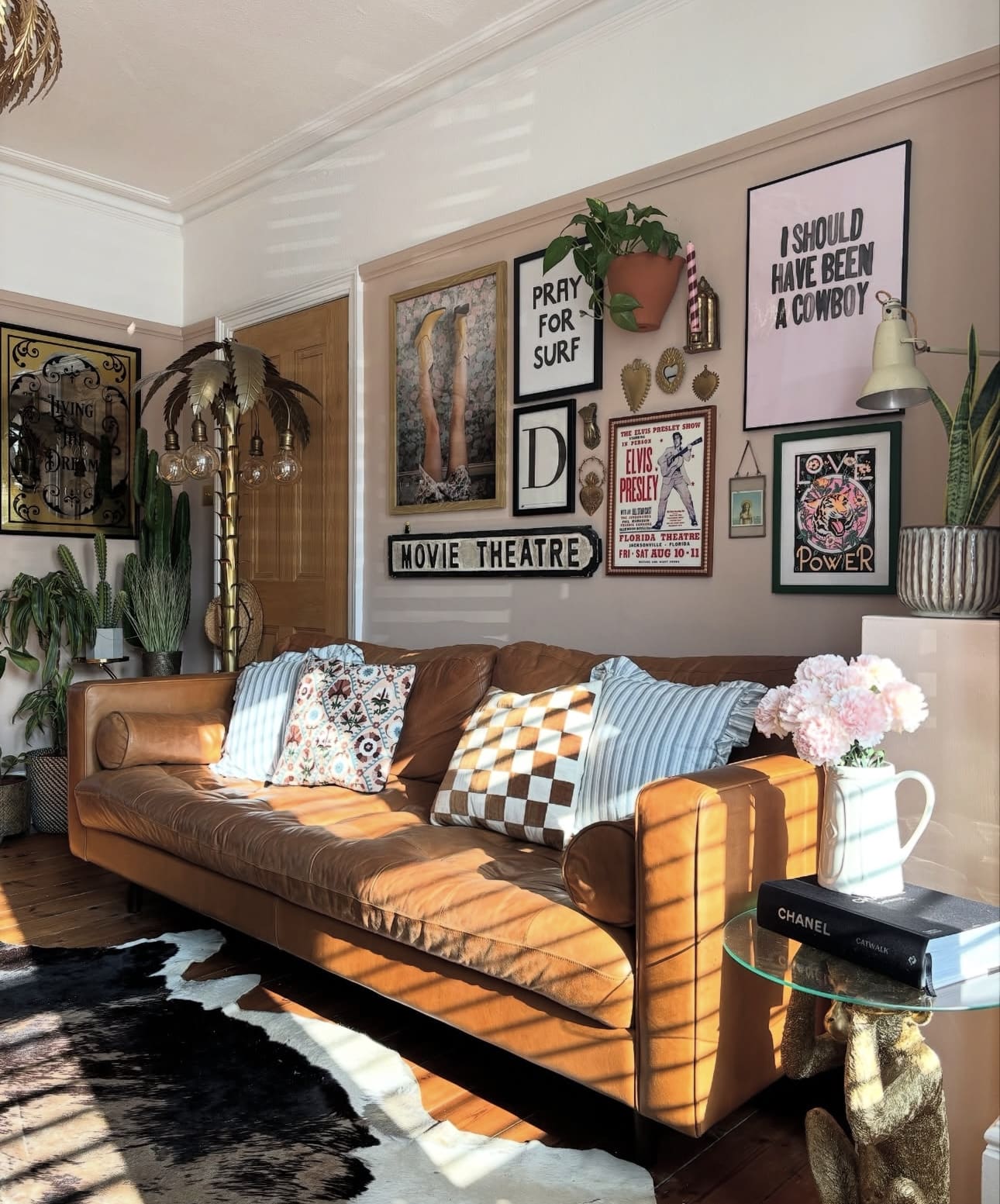
Artwork does more than just decorate—it adds texture, color, and personality to your walls. A well-placed piece can anchor a seating area, break up a large empty wall, and even tie together the room’s color palette. Choose pieces that speak to you and watch your living room come to life.
8. Embrace the Bohemian Style
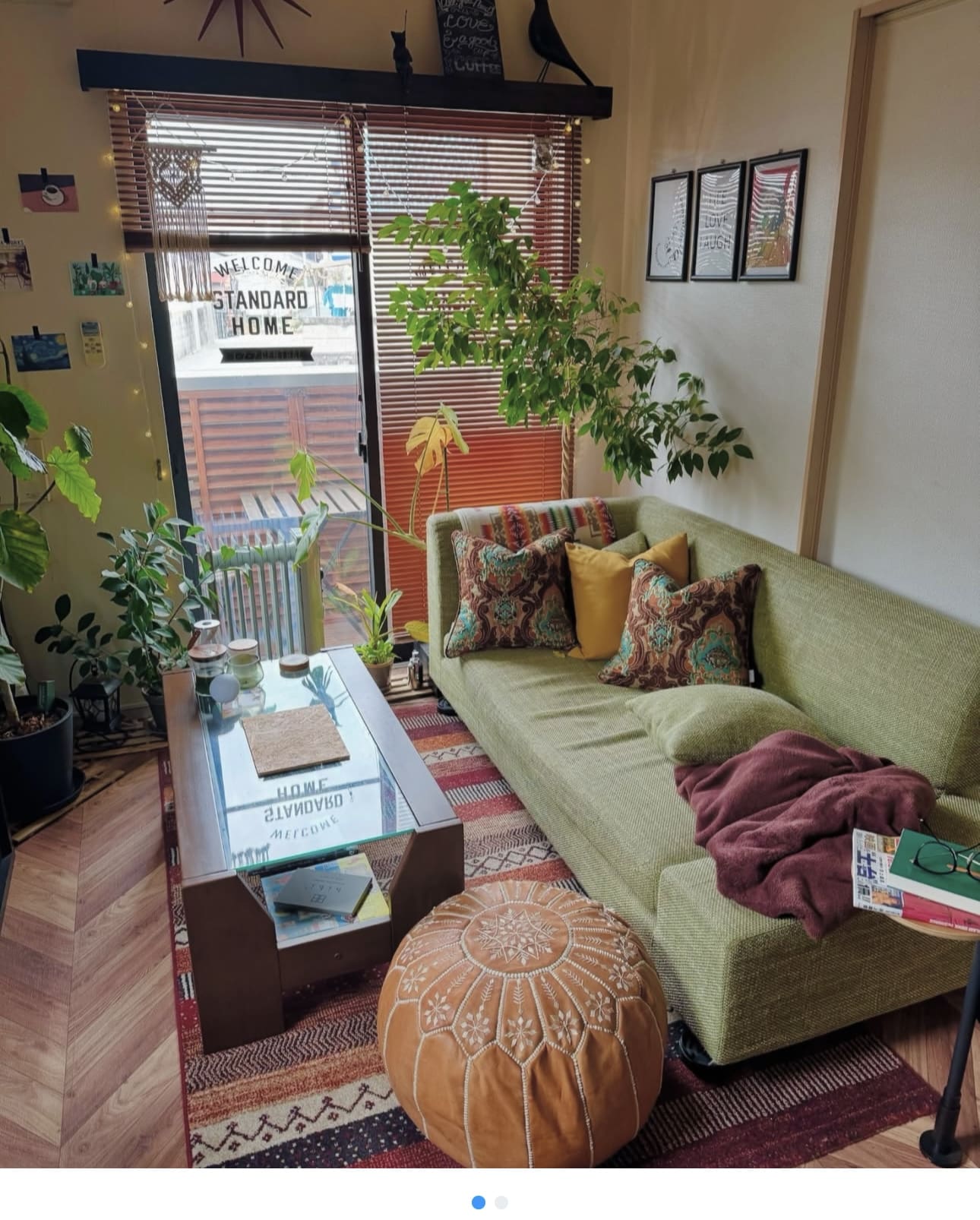
Bohemian decor is all about free-spirited creativity—mixing patterns, colors, and textures in an effortless way. It’s ideal for small apartments because it allows you to layer in flea market finds, textiles, and plants without worrying about a strict style. The result is a lived-in, eclectic space that feels both relaxed and uniquely yours.
9. Add Pops of Color
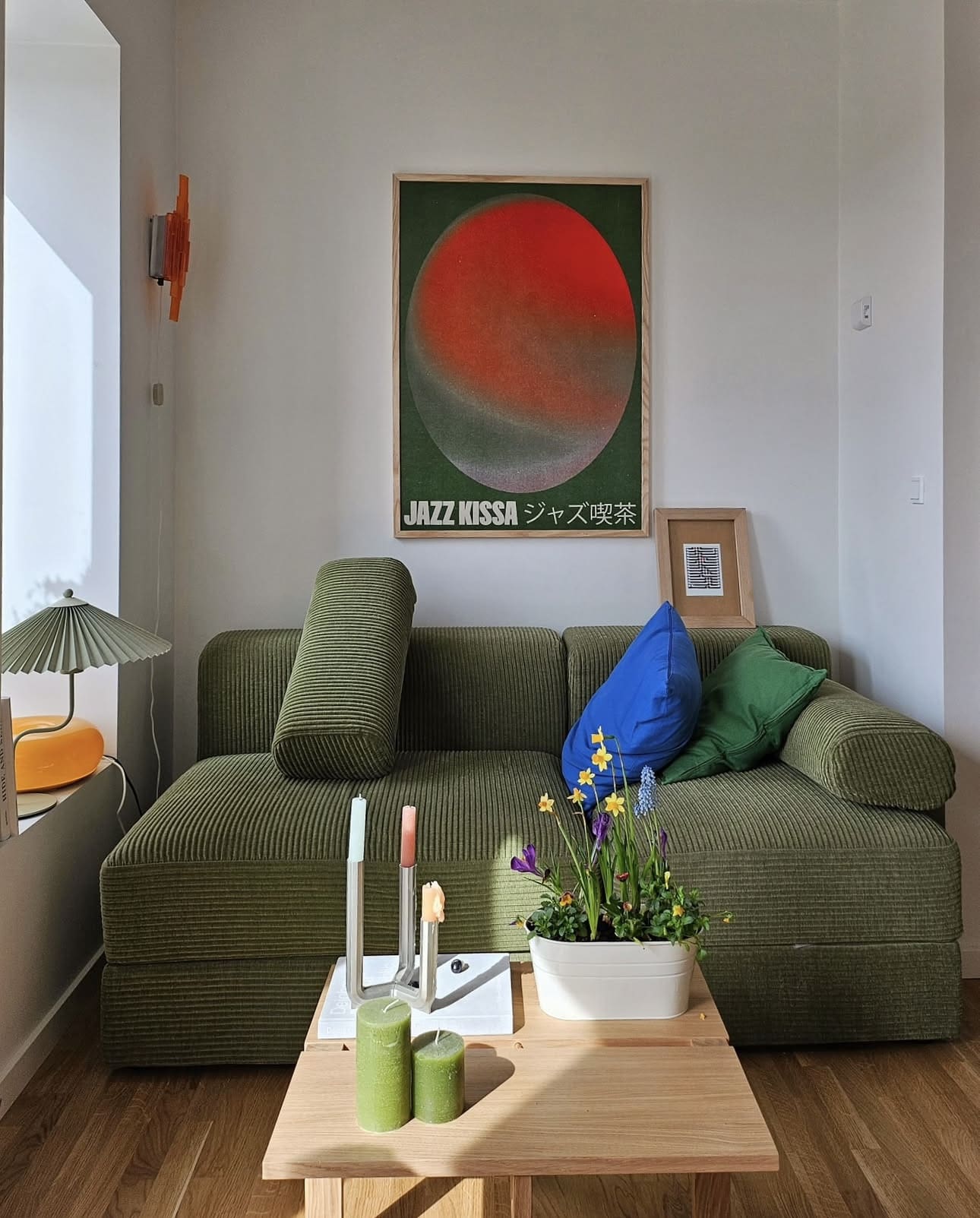
Even a predominantly neutral room can benefit from sudden bursts of color. A bright yellow vase, a teal lamp, or a collection of vivid books can instantly lift the mood and draw the eye. These small accents create focal points and make the space feel more dynamic without overwhelming the room.
10. Consider a Bold Colored Sofa
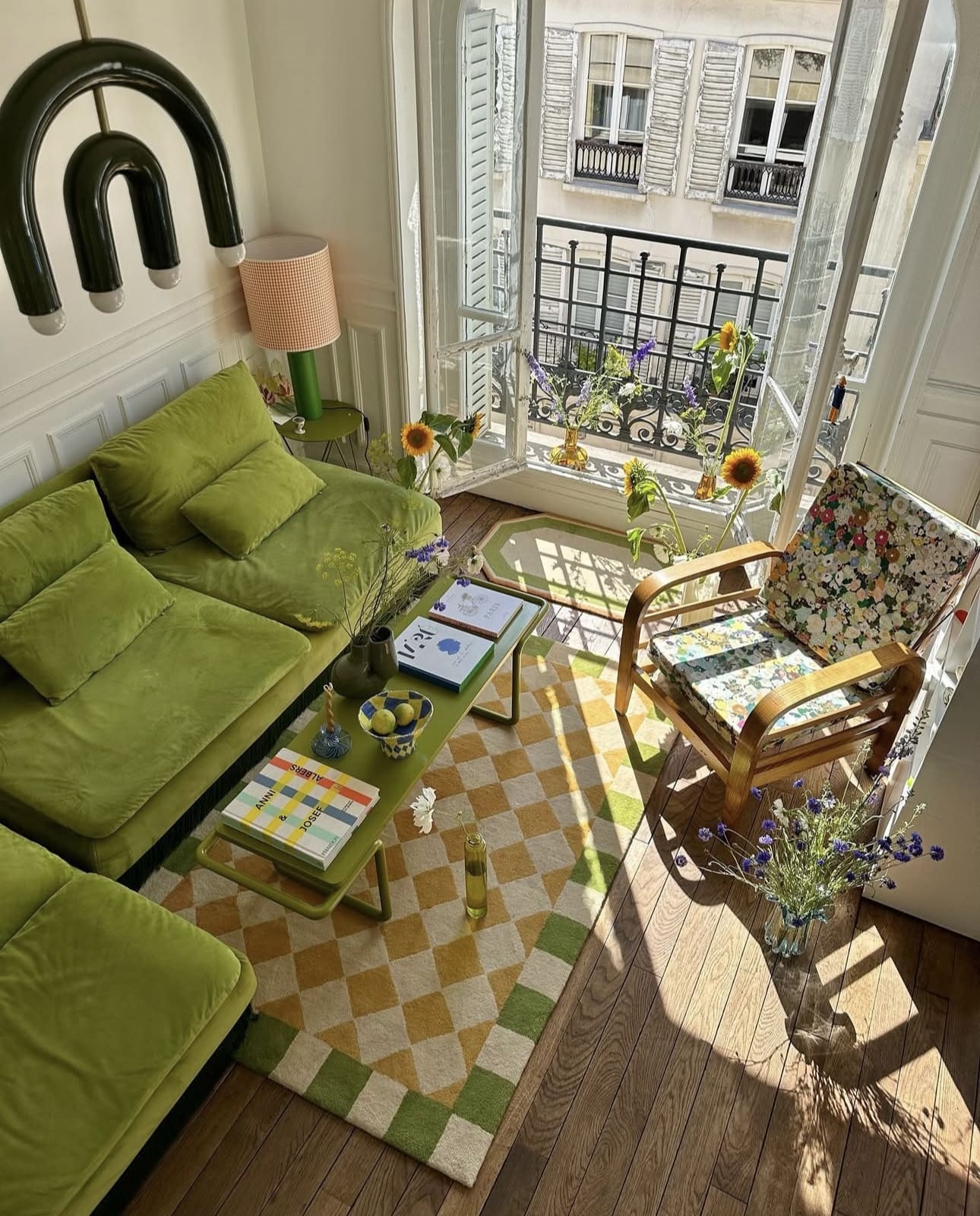
Your sofa is often the centerpiece of the living room, so why not make it a statement? A bold-colored sofa—in deep blue, forest green, or even rust orange—adds instant drama and personality. It becomes the anchor around which you build the rest of your decor, and it works wonderfully against a neutral backdrop.
11. Place Decorative Elements on the Coffee Table
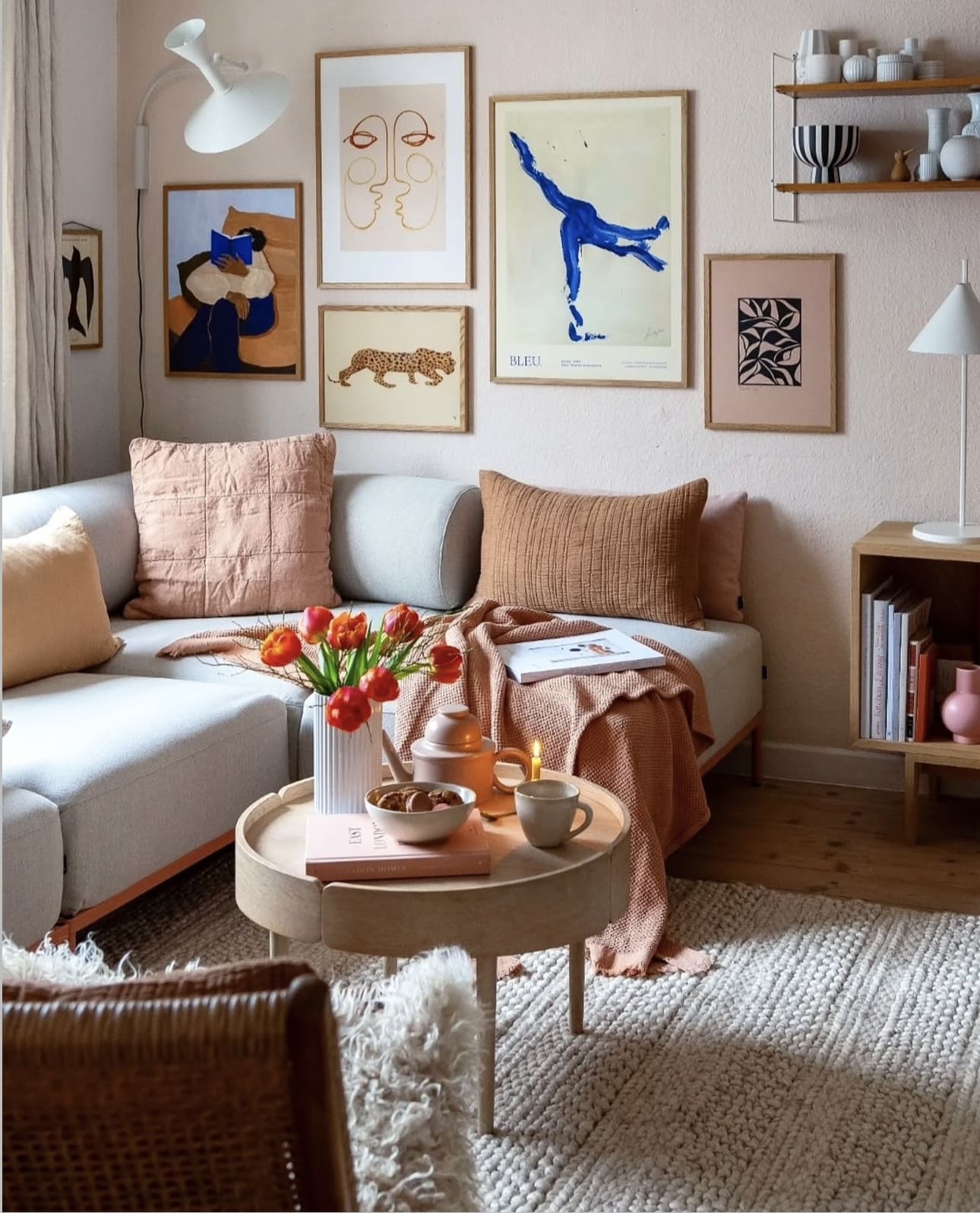
A well-styled coffee table can tie the whole room together. Use a decorative tray to corral small items, stack a few coffee table books for height, and add a small vase or candle for a touch of warmth. Keep it balanced—not too cluttered—to maintain a clean, inviting look.
12. Create a Gallery Wall
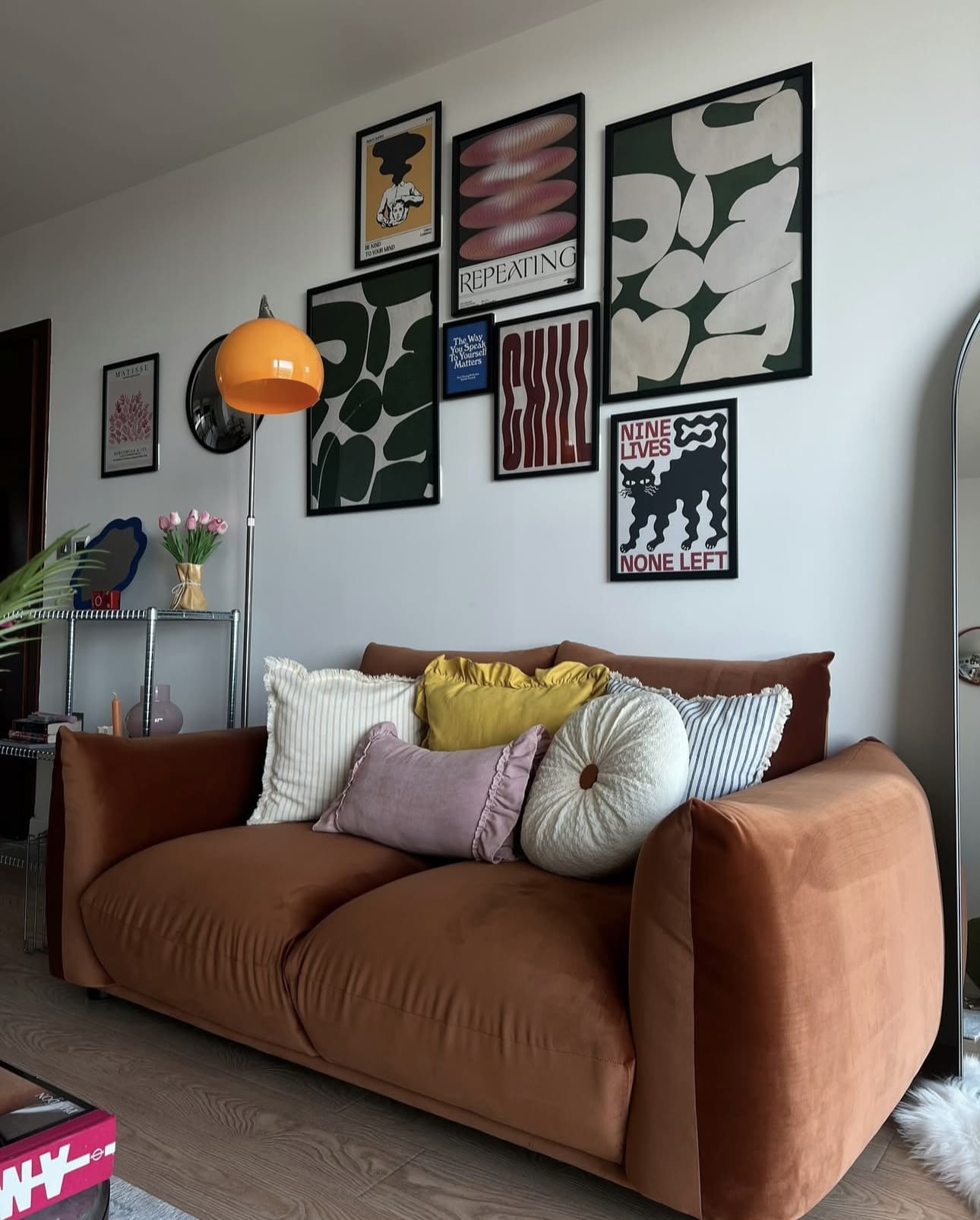
Gallery walls are a fantastic way to showcase your favorite art and photos while adding depth to the room. Mix frame styles, sizes, and artwork genres for an eclectic look, or stick to a unified color scheme for a more curated feel. Lay out the arrangement on the floor first, then hang with removable strips for a damage-free installation.
13. Use Area Rugs to Define Spaces
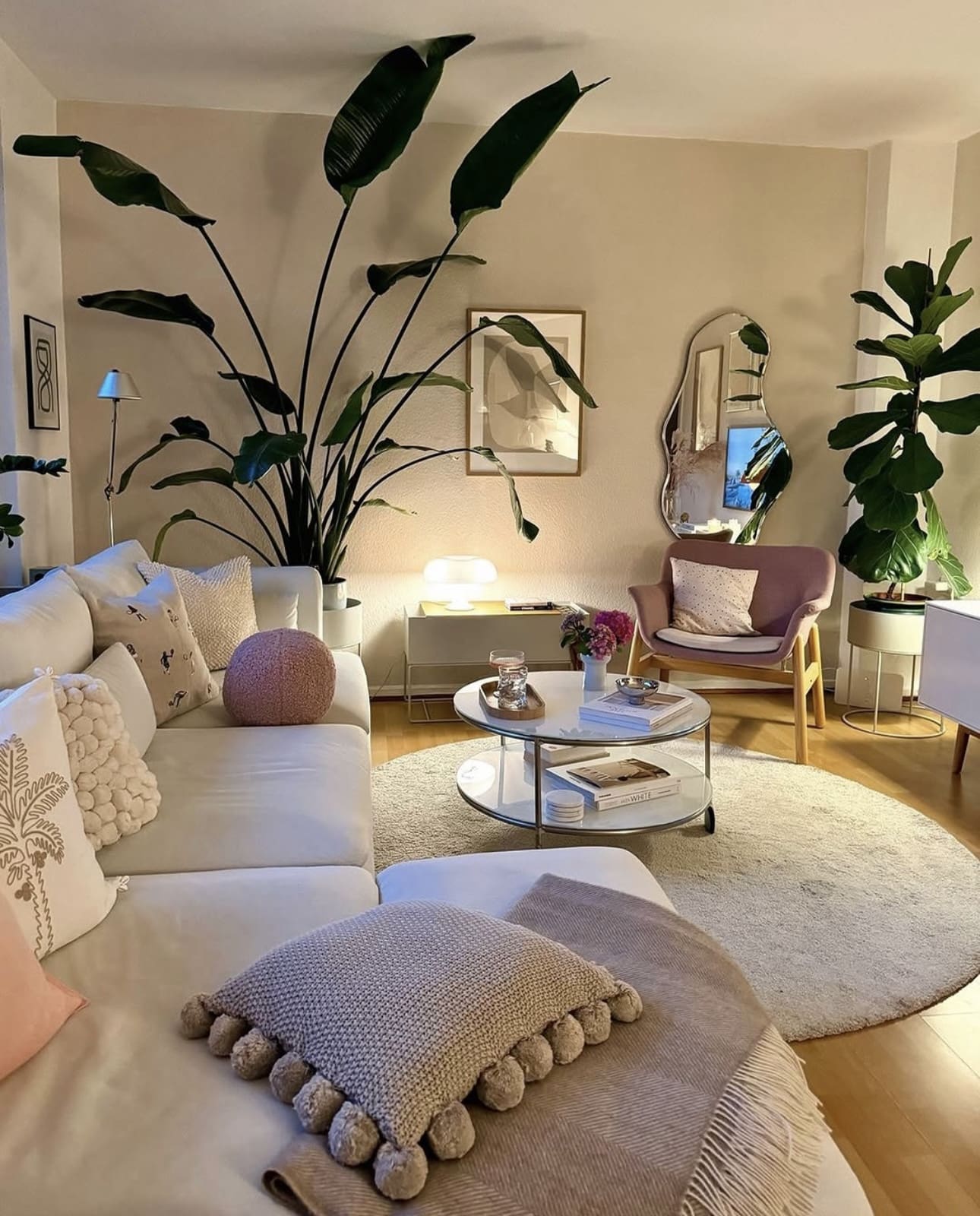
In an open-plan apartment, an area rug can visually separate the living area from the dining or workspace. Choose a rug that fits the dimensions of your seating area and complements your color palette. Besides defining zones, it adds warmth, acoustic comfort, and a layer of texture that enhances the overall coziness.
14. Install Ceiling Lighting
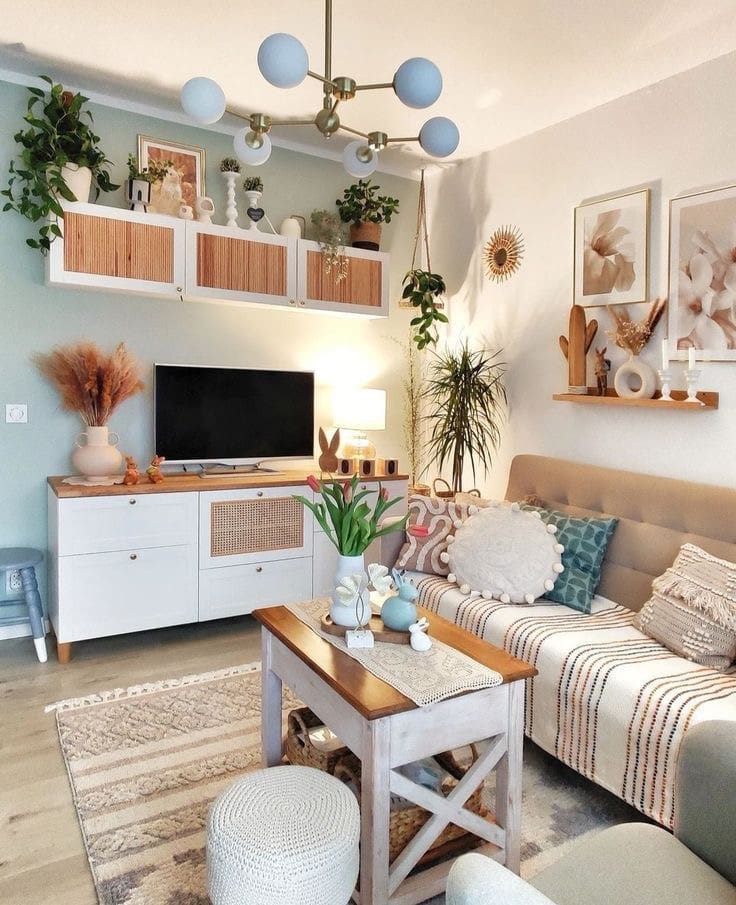
Good overhead lighting is essential for small spaces. A flush-mount or semi-flush-mount fixture provides even illumination without taking up visual space. Choose a fixture with a sleek design that adds a decorative touch, and consider dimmable options to adjust the mood throughout the day.
15. Incorporate Plants
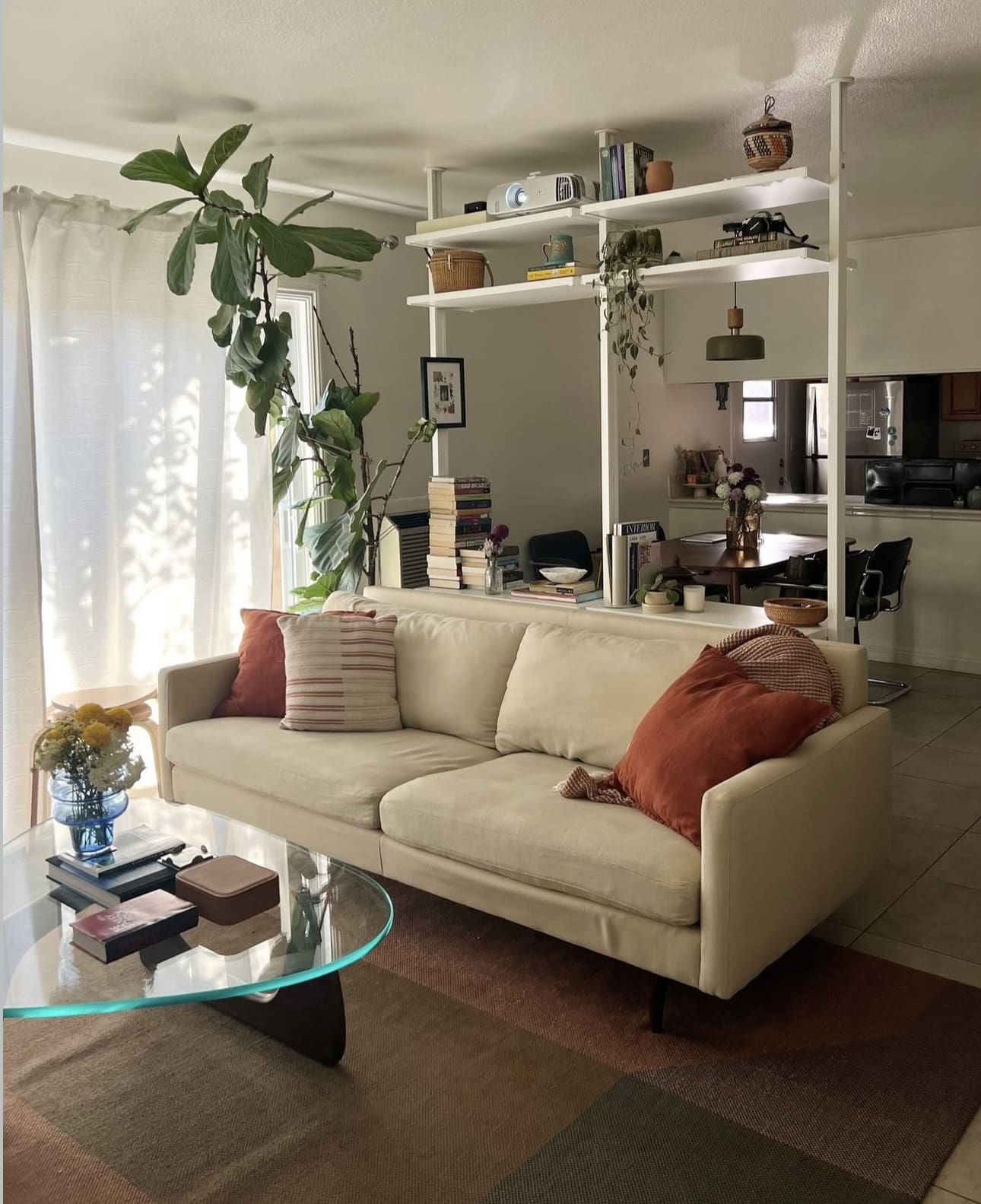
Bring a slice of nature indoors with houseplants. They not only purify the air but also add life, color, and texture. Low-maintenance varieties like pothos, snake plants, and ZZ plants thrive in indoor conditions and require minimal care. Place them on shelves, windowsills, or even hanging planters to make the most of vertical space.
16. Keep It Minimal
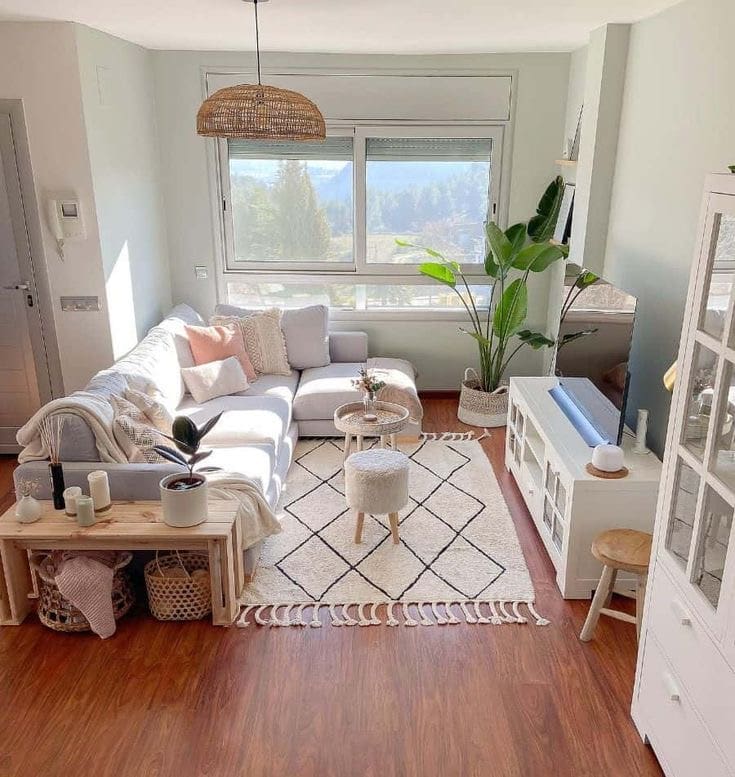
Minimalism is a powerful approach for small living rooms. Strip away excess clutter and focus on quality over quantity. Choose a few key pieces you truly love—a sleek sofa, a simple coffee table, and a statement lamp—and let them breathe. The resulting clean, uncluttered aesthetic makes the room feel larger and more serene.
17. Use Mirrors and Reflective Surfaces
Mirrors are a small space’s best friend. Strategically placed mirrors bounce natural light around the room, creating an illusion of depth and openness. Reflective finishes on tables, cabinets, or decorative objects also help diffuse light and add a subtle glamour that elevates the entire space.
18. Hang Curtains High
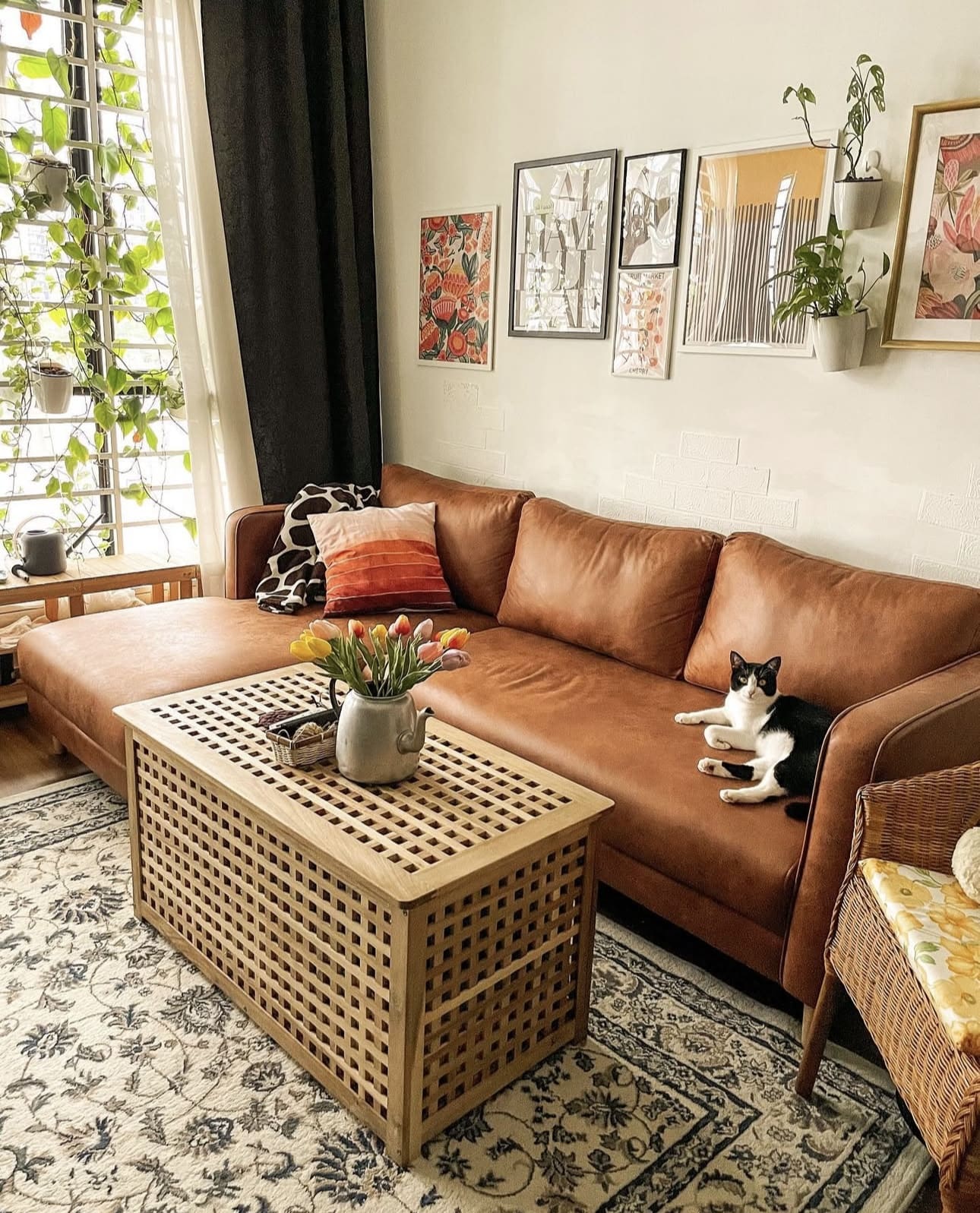
Mount your curtain rods as close to the ceiling as possible, and let the curtains drape all the way to the floor. This vertical line draws the eye upward, making the room feel taller. Choose lightweight, sheer fabrics to maximize natural light, or opt for heavier drapes for added insulation and drama.
19. Invest in Multi-functional Furniture
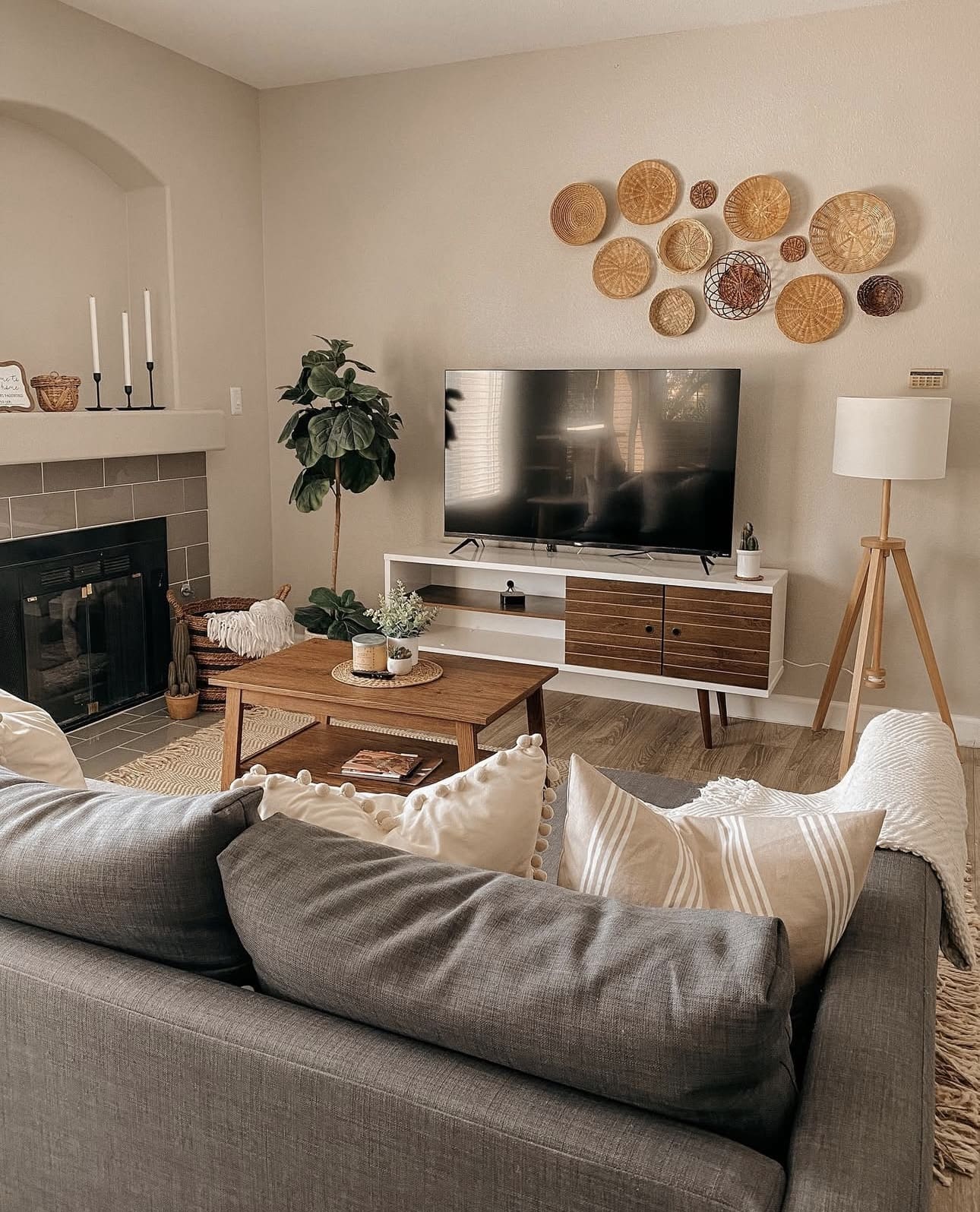
Dual-purpose furniture is a lifesaver in tiny apartments. Consider a sofa bed for overnight guests, an ottoman with hidden storage, or a coffee table that doubles as a desk. These pieces allow you to maximize functionality without adding extra furniture, keeping the room streamlined and clutter-free.
20. Consider Smart Technology Integration
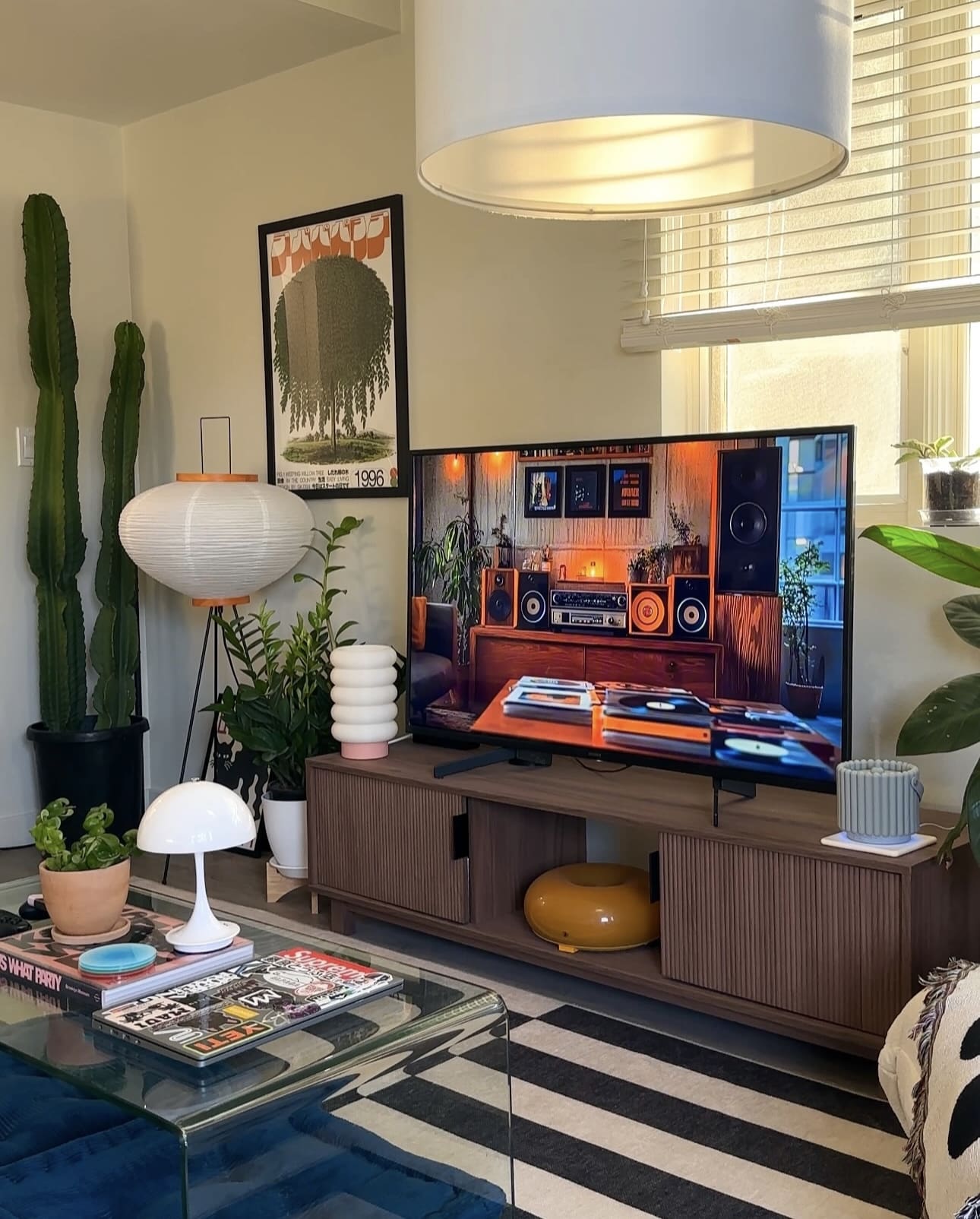
Smart home gadgets can enhance both convenience and style. Install smart bulbs that you can control with your phone or voice, a smart thermostat for energy efficiency, and a sleek soundbar that blends into the decor. These modern touches make daily life easier and add a futuristic flair to your living space.
21. Incorporate Open Shelving
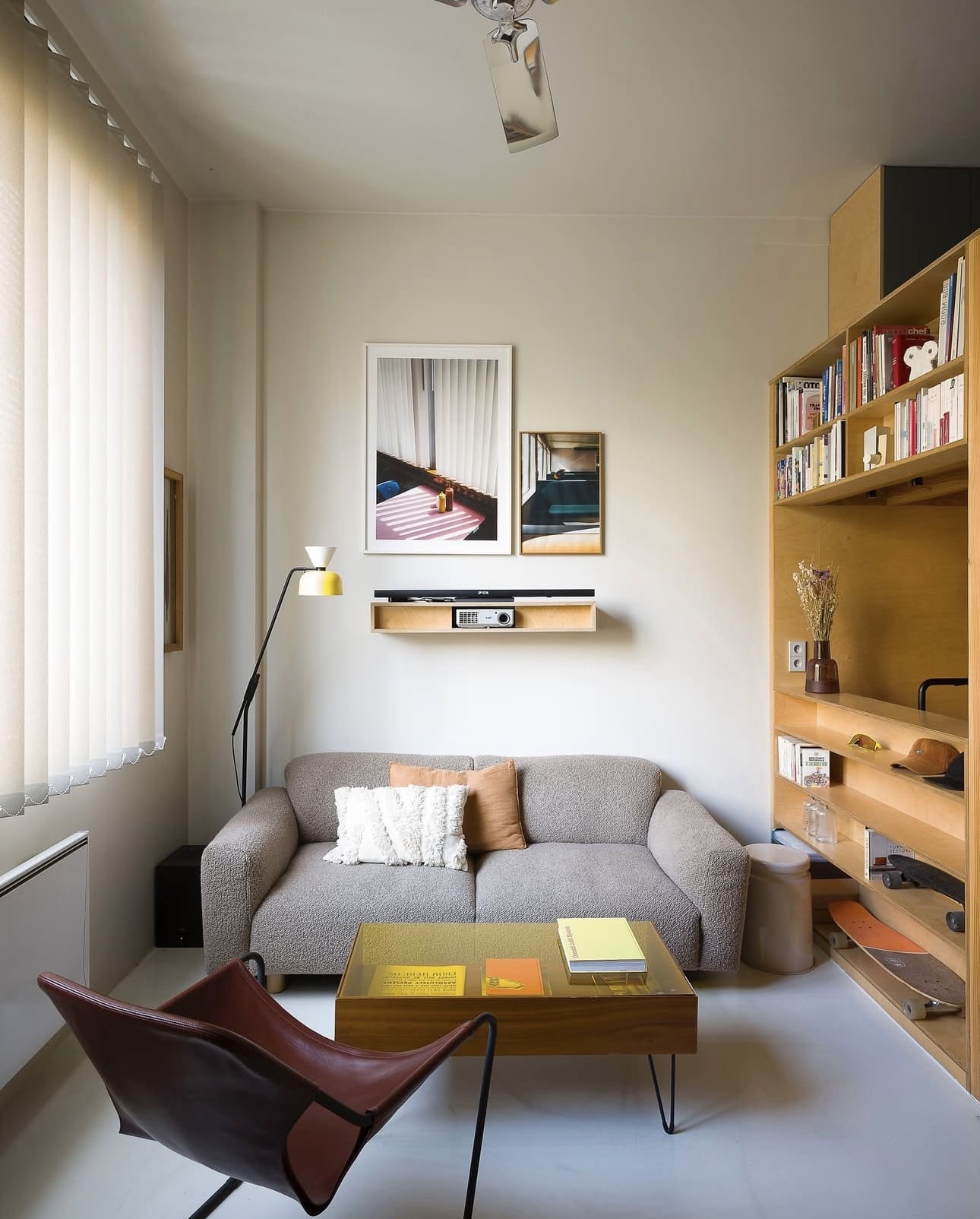
Open shelving is both practical and decorative. It provides storage for books, plants, and decorative objects while keeping the room feeling airy because it doesn’t block sightlines. Keep shelves tidy by grouping items in sets and leaving some negative space—this prevents visual clutter and adds a curated feel.
22. Layer Textures
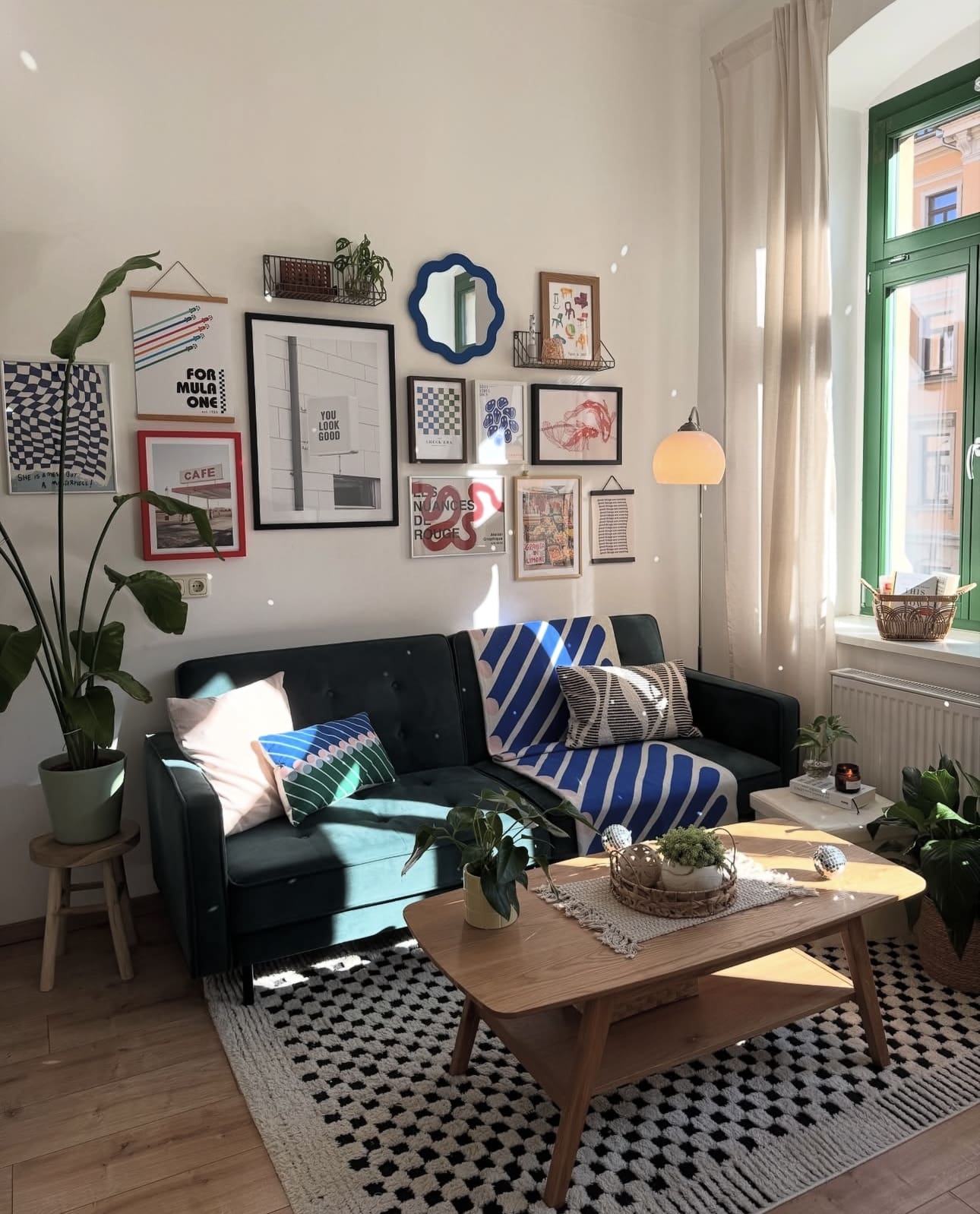
Mixing textures adds depth and interest to a monochromatic palette. Combine smooth leather with chunky wool, velvet with woven wicker, or glossy metal with matte wood. These contrasts create visual richness and make the room feel more layered and sophisticated, even in a small footprint.
23. Choose Furniture with Exposed Legs
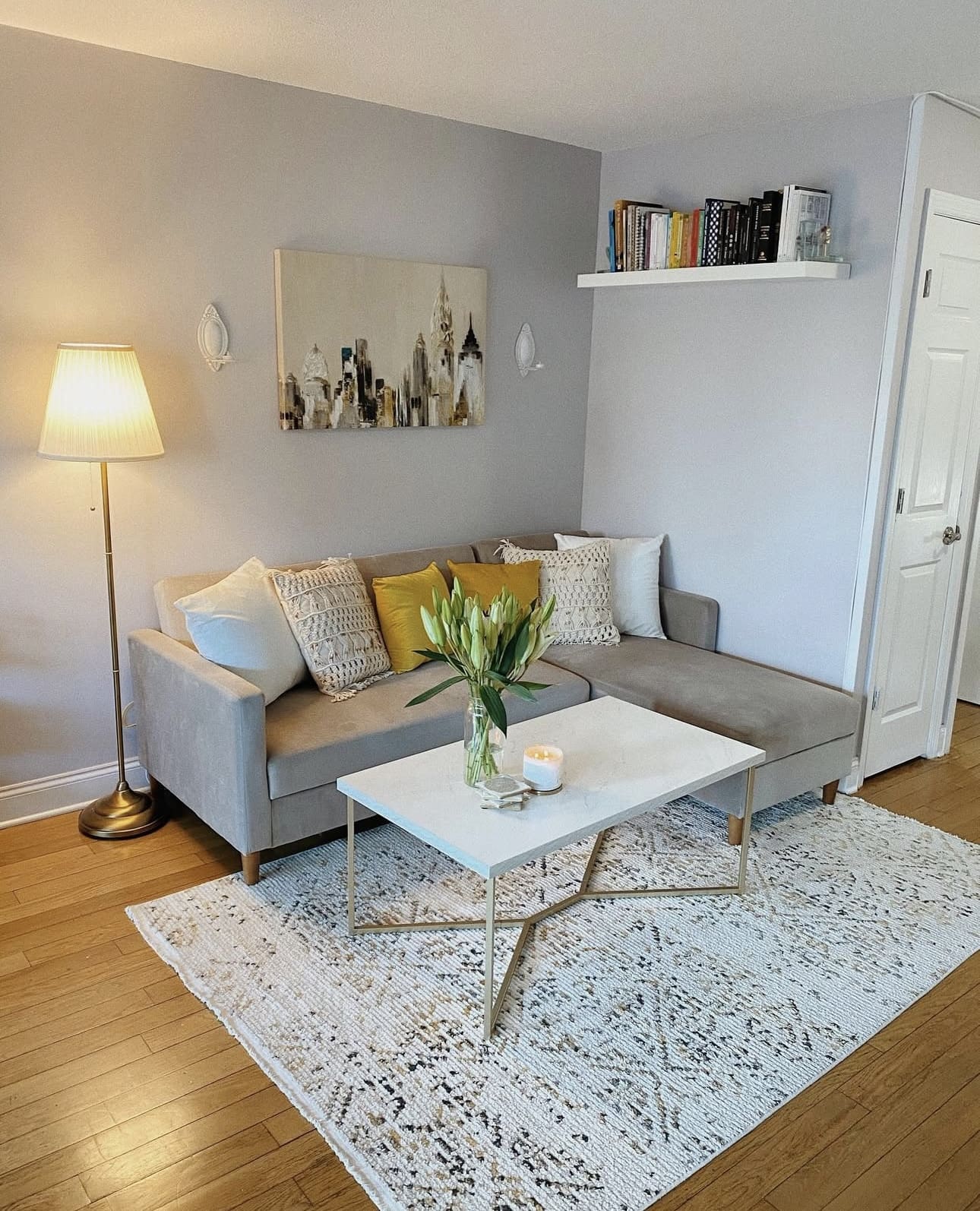
Furniture on legs—like mid-century modern sofas, chairs, and tables—creates a sense of openness by allowing light and air to flow underneath. This “floating” effect makes the room feel less crowded and more spacious. Choose pieces with slender, tapered legs for an even lighter visual impact.
24. Add Wooden Elements
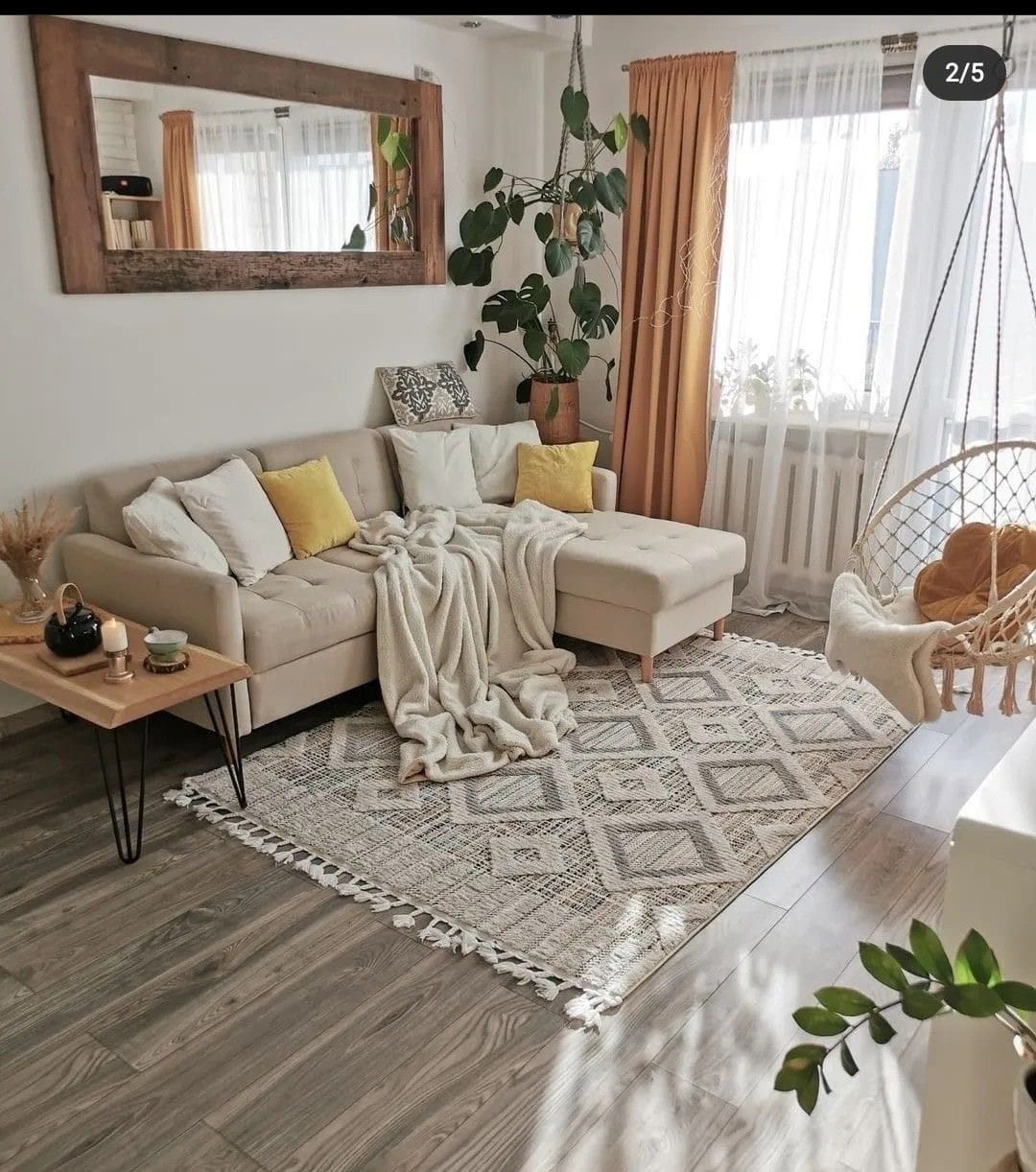
Natural wood brings warmth and organic texture into any space. Whether it’s a reclaimed wood coffee table, oak shelves, or a wooden accent wall, these elements ground the room and add a touch of rustic charm. Wood tones also pair beautifully with both modern and traditional styles, ensuring long-lasting appeal.
25. Use Corners
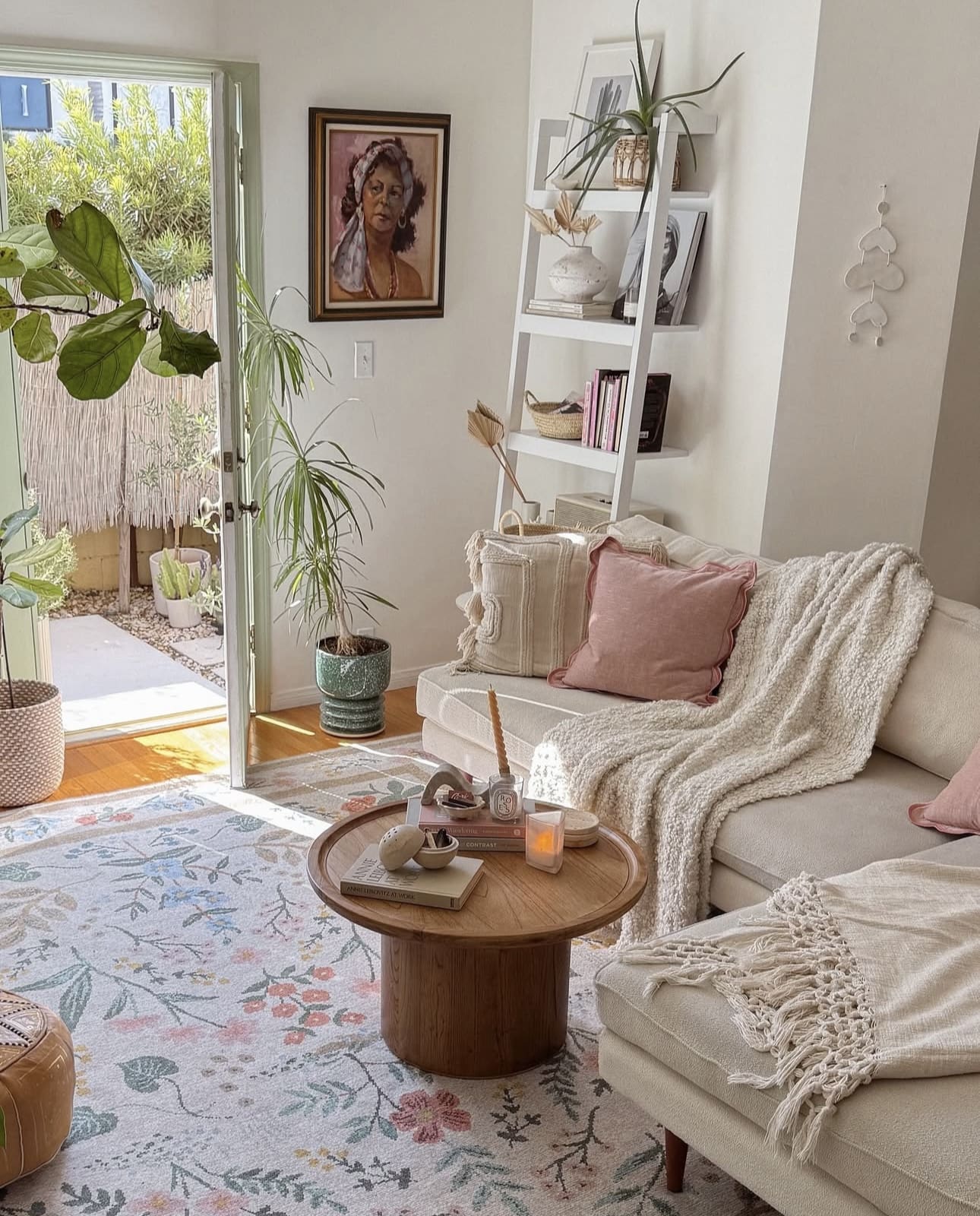
Don’t let corners go to waste! Install corner shelves to display plants, books, or collectibles, or place a cozy armchair with a floor lamp to create a reading nook. Vertical storage in corners makes use of often-overlooked space and adds functional beauty to your layout.
26. Optimize Lighting
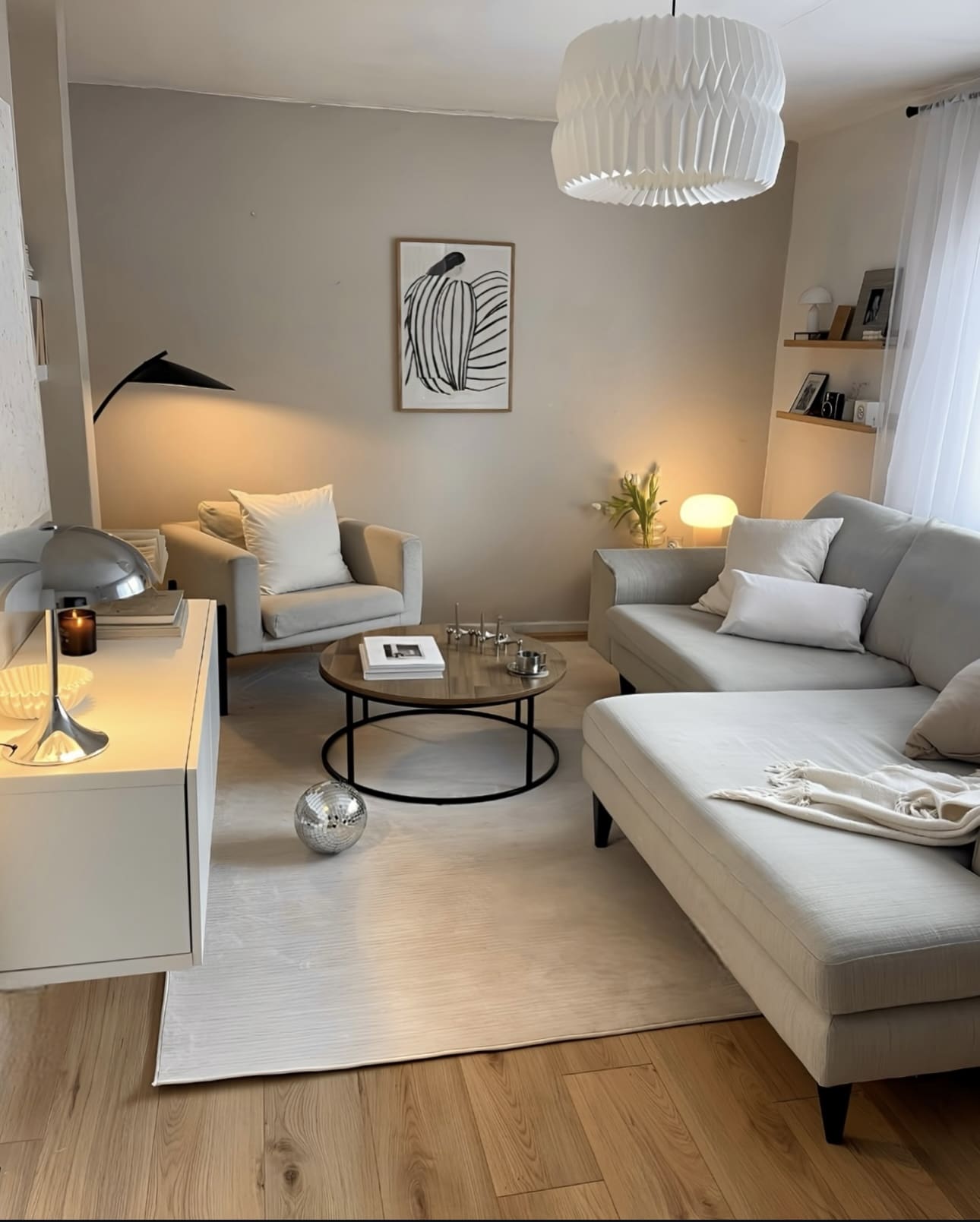
Layered lighting—a mix of overhead, task, and ambient sources—creates a balanced and inviting atmosphere. Place a floor lamp next to the sofa, a table lamp on a side table, and use dimmers for flexibility. Position mirrors to reflect light and make the entire room feel brighter and more expansive.
27. Embrace Symmetry
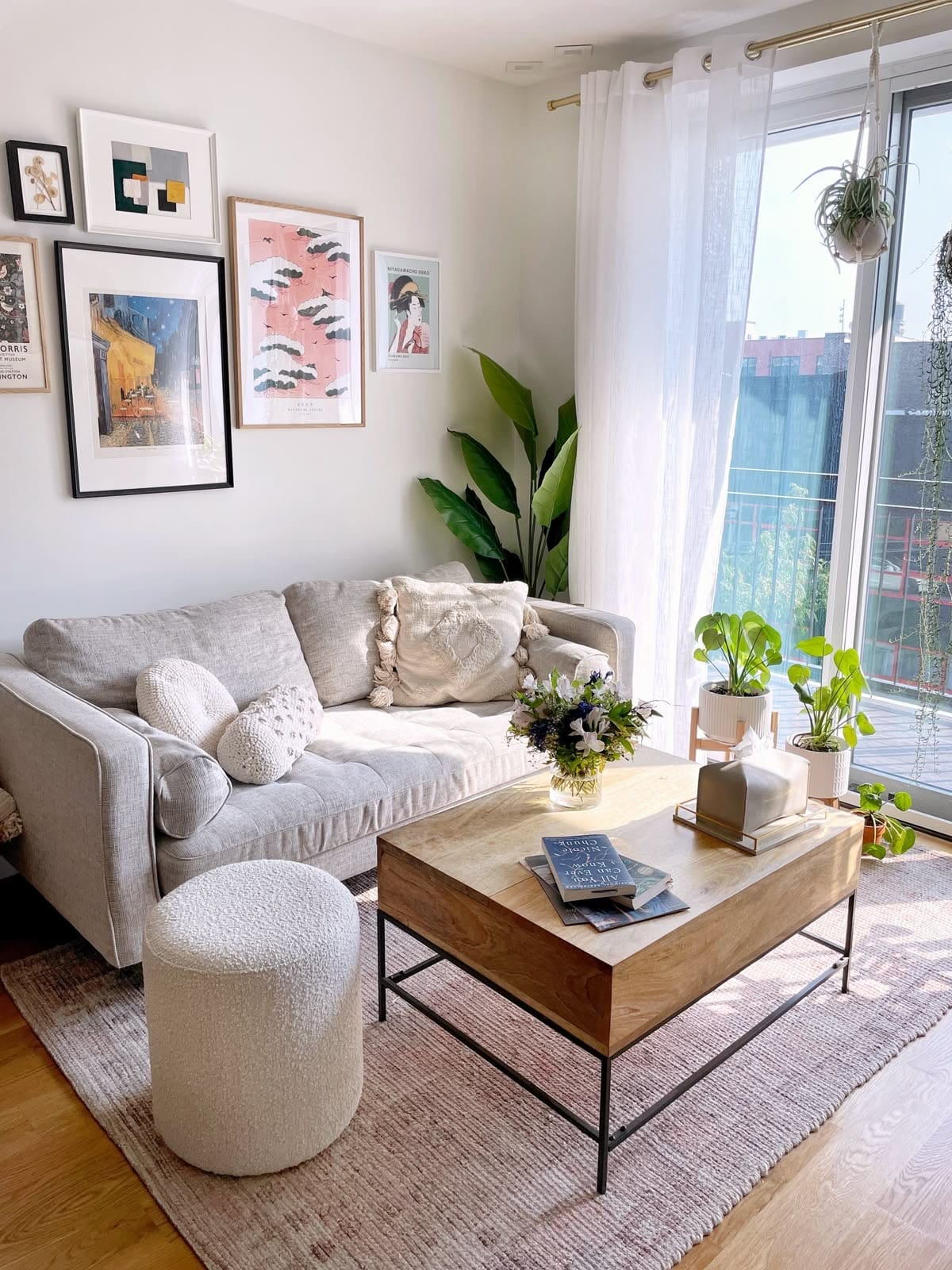
Symmetry brings a sense of order and calm to small spaces. Arrange identical lamps on either side of the sofa, place matching chairs facing each other, or hang artwork in pairs. This balanced approach creates visual harmony and makes the room feel intentionally designed and polished.
Frequently Asked Questions About Small Apartment Living Room Decor
What are the best colors for a small living room?
Light neutrals like white, cream, and pale gray are ideal because they reflect light and make the room feel larger. However, you can also incorporate bold accent colors on a single wall or through accessories to add personality without overwhelming the space.
How can I make my small living room look bigger?
Use mirrors to bounce light, choose furniture with exposed legs, hang curtains high, and keep the floor area clear. Light colors, large-scale art, and multi-functional furniture also contribute to an illusion of space.
What type of furniture works best for small spaces?
Look for slim-profile pieces, furniture with exposed legs, and items that serve multiple purposes (e.g., storage ottomans, sofa beds). Avoid oversized, chunky furniture that can crowd the room and block natural light.
How do I incorporate lighting in a small living room?
Layer three types of lighting: ambient (overhead), task (reading lamps), and accent (decorative lamps). Use dimmers to control brightness, and position mirrors to reflect light from windows or lamps, helping to distribute illumination evenly.
How can I add storage without cluttering?
Opt for furniture with built-in storage, such as coffee tables with drawers or ottomans with lift-up tops. Use open shelving for display but keep it tidy by grouping items and leaving empty space. Use baskets or bins to hide away everyday items and maintain a clean look.