
Understanding and expressing emotions is a vital part of personal development and mental well-being. A feelings chart is a powerful, visual tool that helps people of all ages to identify, name, and communicate their complex emotions effectively. By using a chart, you can move from a vague sense of unease to a clear understanding of what you are feeling. Our collection of 20 free, printable PDFs offers a variety of styles to suit your needs, from simple faces for children to detailed emotion wheels for adults. Each chart is designed to support self-awareness, emotional intelligence, and healthier communication. Use these resources to empower yourself and those around you to navigate the world of emotions with confidence.
1. Printable Feelings List Emotions
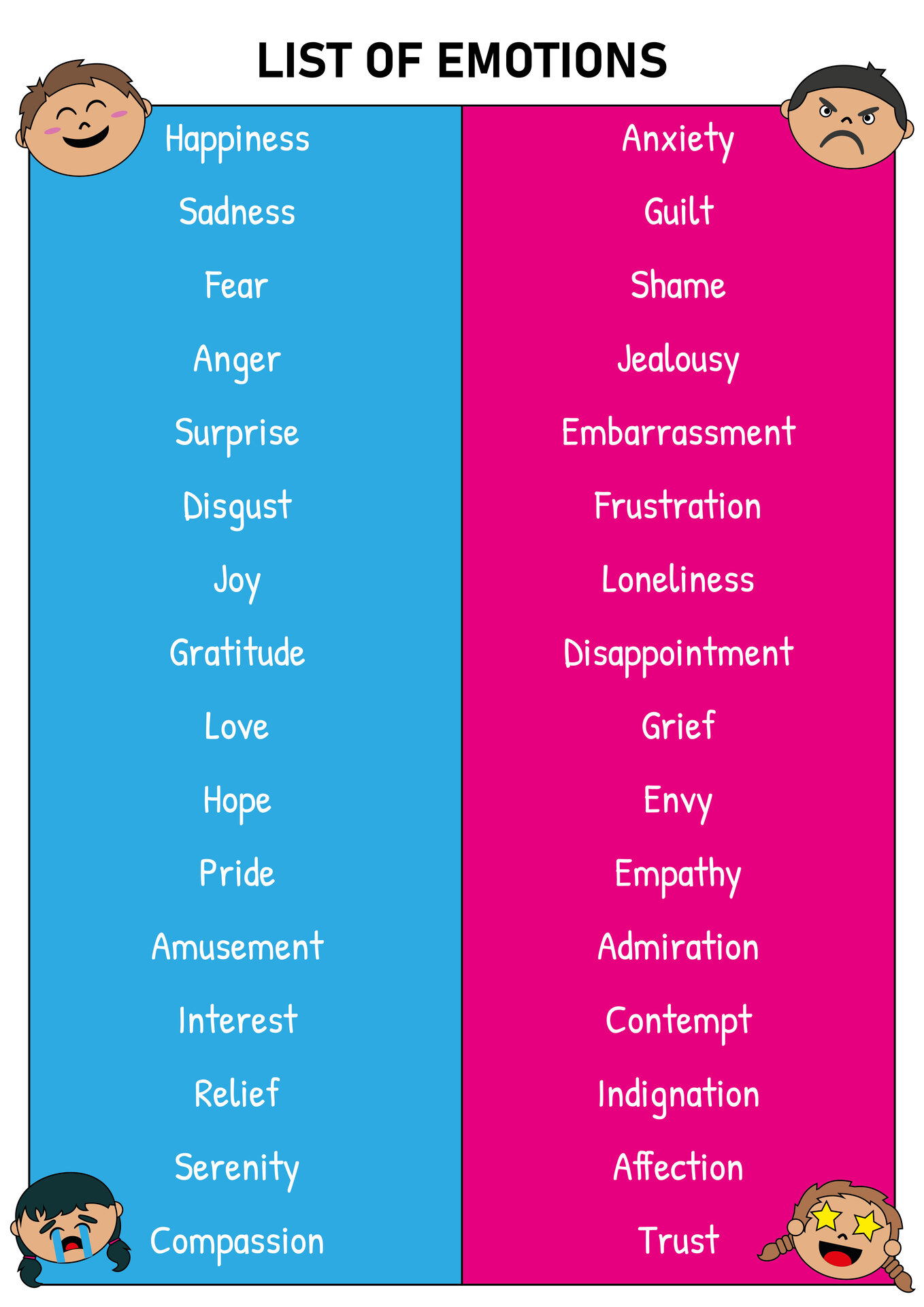
This comprehensive list provides a broad vocabulary of emotions, moving beyond basic feelings like ‘happy’ or ‘sad’ to more nuanced states such as ‘frustrated,’ ‘anxious,’ or ‘content.’ It’s an excellent reference for journaling, therapy, or simply expanding your emotional literacy. By having a wide range of words at your disposal, you can pinpoint your exact state of mind, leading to better self-understanding and more effective communication with others.
2. Emotion Chart Faces Mood
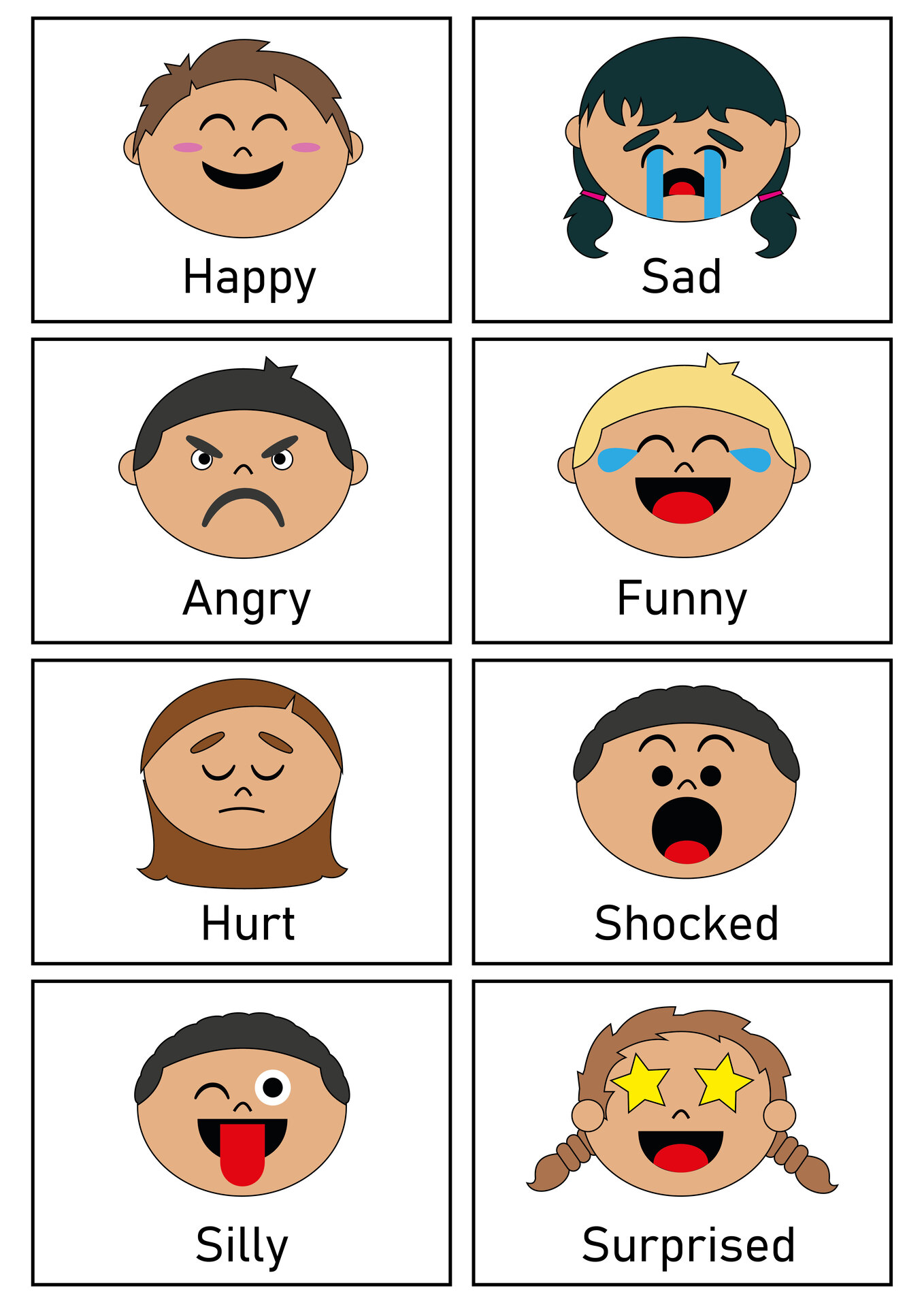
This chart uses expressive, illustrated faces to represent different moods. It’s a universally accessible tool, making it perfect for children, individuals with autism, or anyone who responds better to visual cues. Each face is paired with a corresponding emotion word, bridging the gap between visual recognition and verbal labeling. This format makes it easy to check in with yourself or others and quickly identify the prevailing mood.
3. How Are You Feeling Today Printable Chart
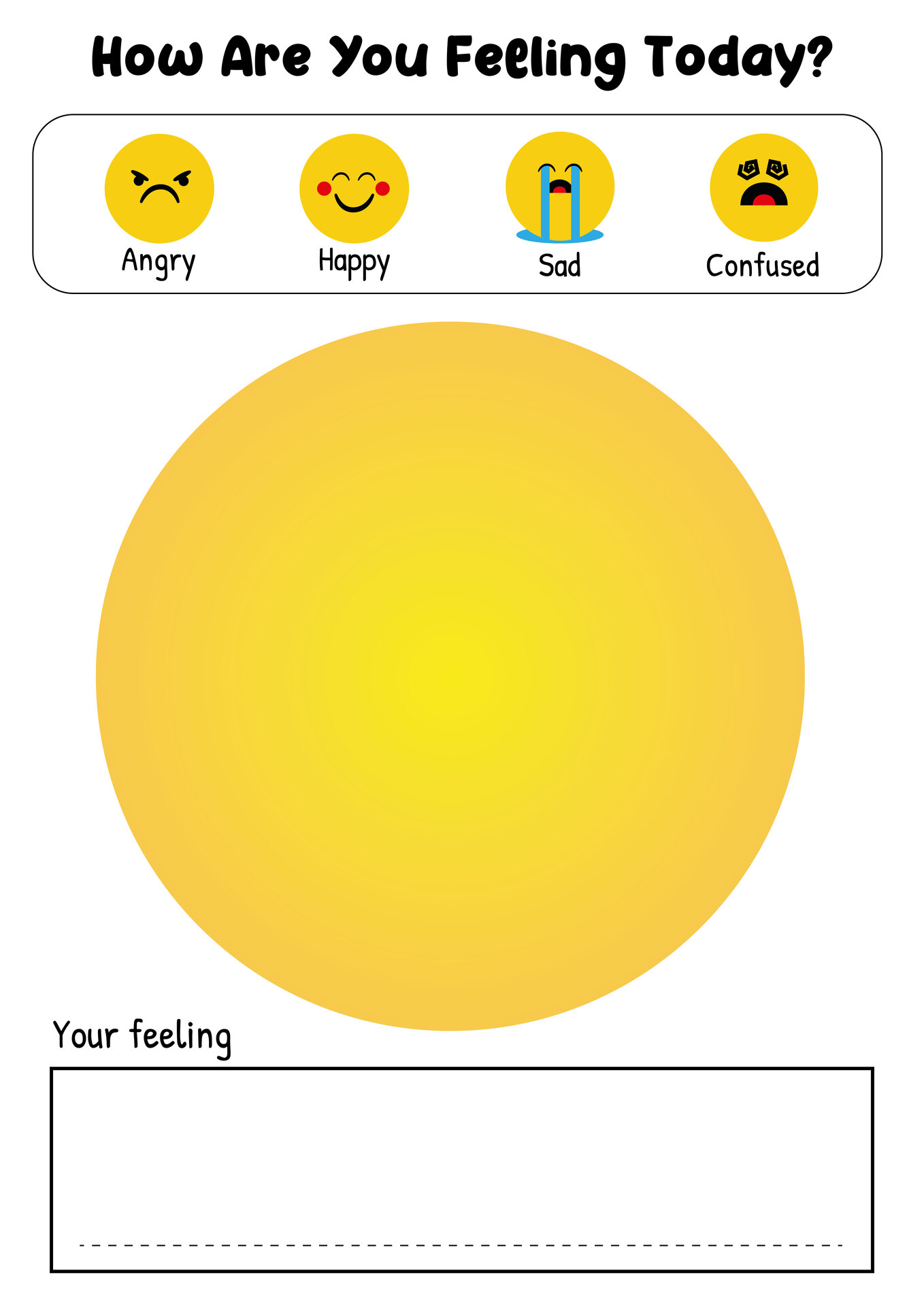
This classic and inviting chart is perfect for daily use in classrooms, therapy offices, or at home. It often features a selection of common emotions with corresponding faces, providing a simple and non-threatening way to start a conversation about feelings. Its straightforward design encourages regular emotional check-ins, helping to build a habit of self-awareness and emotional expression from a young age.
Recommended For You



4. Feeling Printable Emotions Chart
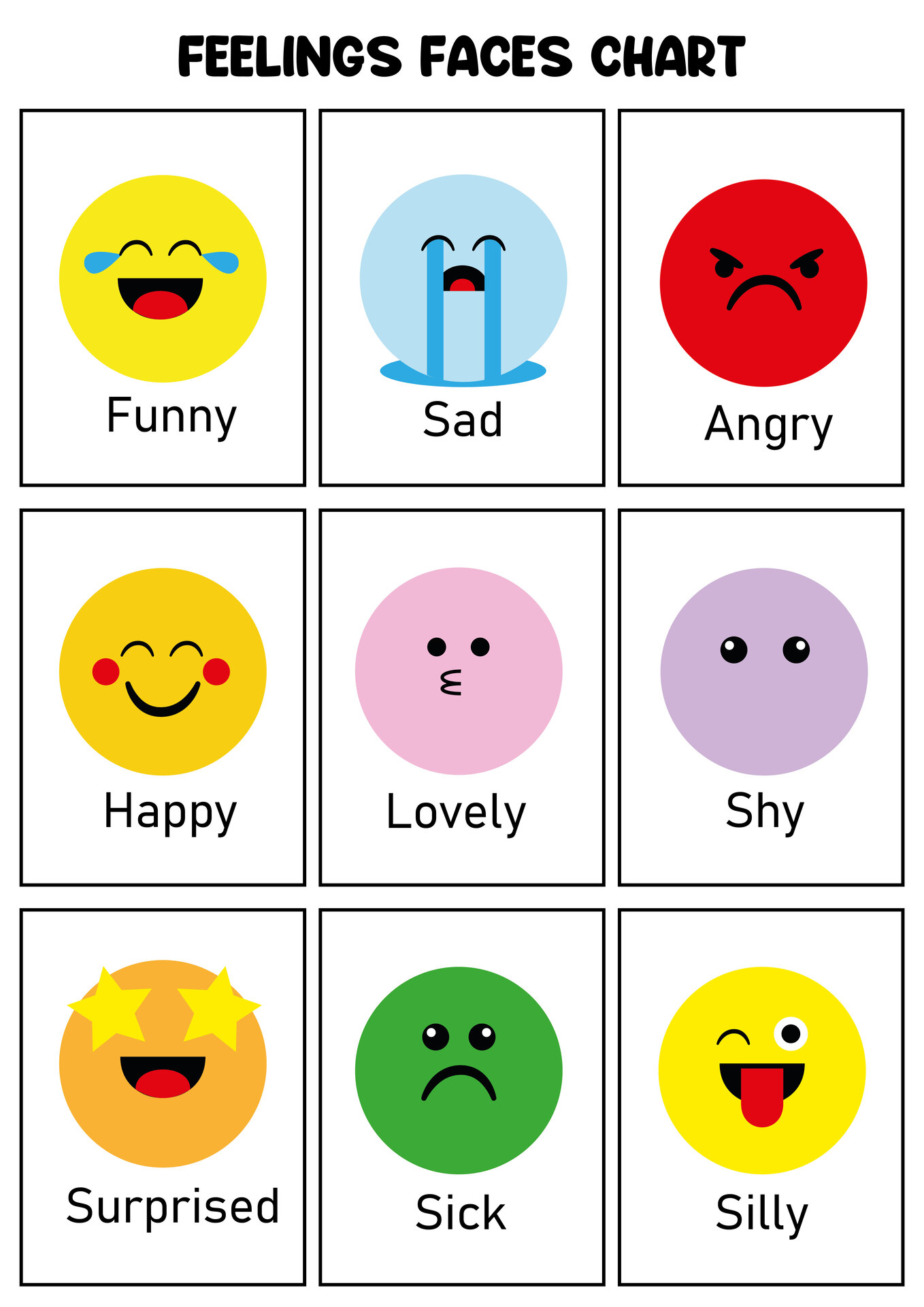
This versatile chart offers a broad selection of feelings in an organized layout. It’s ideal for educational settings, counseling sessions, and personal use. By providing a clear visual overview, it helps users differentiate between similar feelings and understand the spectrum of their emotional landscape. It’s a great tool for anyone looking to improve their emotional vocabulary and self-awareness.
5. Feelings Faces Chart Emotions
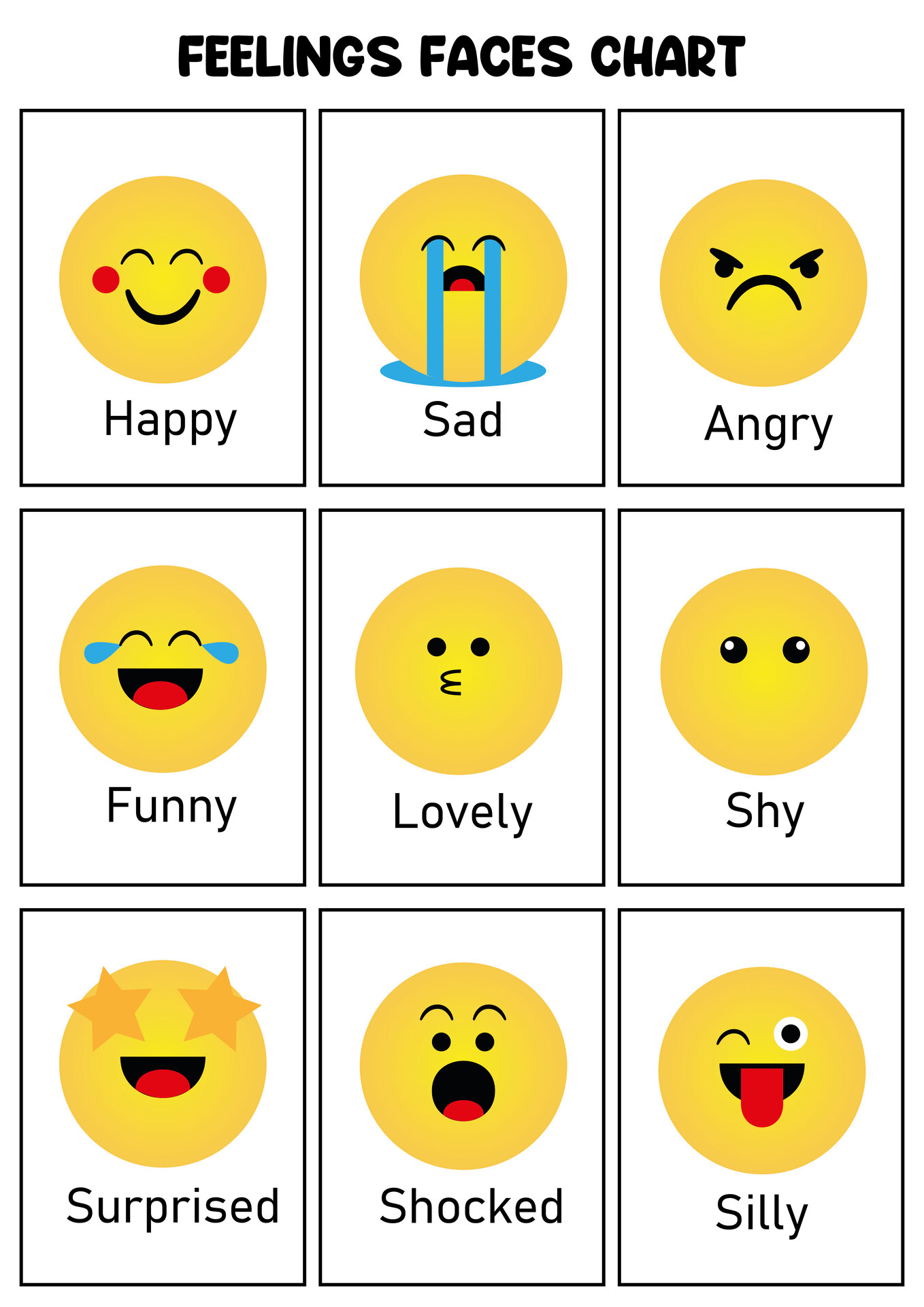
Focusing on the visual aspect of emotions, this chart showcases a variety of faces depicting a wide range of feelings. This approach is particularly helpful for neurodivergent individuals, young children, or those who are non-verbal. Being able to point to a face that matches their feeling can be a powerful and relieving form of communication, reducing frustration and fostering connection.
6. Feelings and Emotions Chart
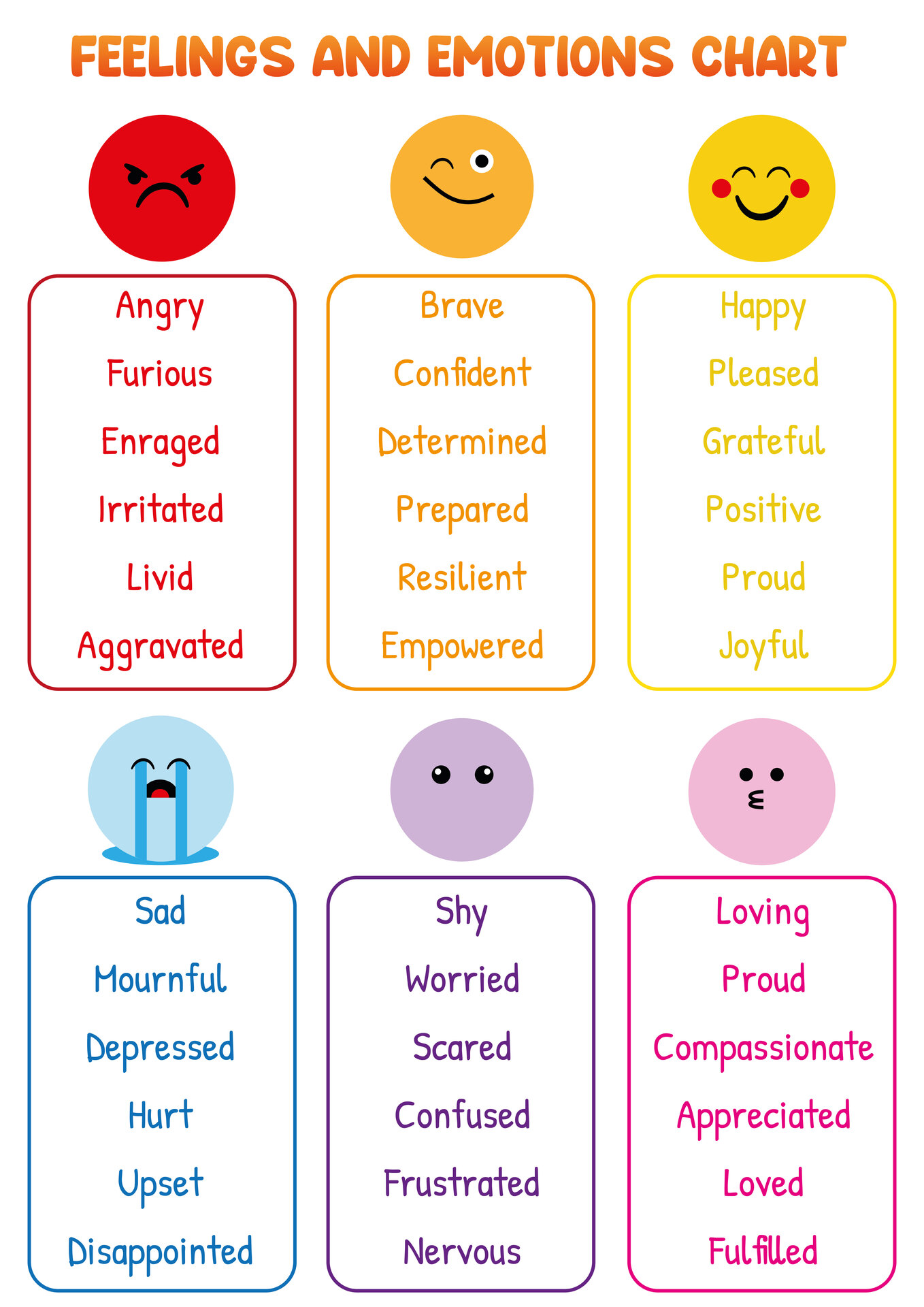
This chart serves as a comprehensive reference for both feelings and emotions, sometimes clarifying the subtle differences between the two. It’s designed to be a go-to resource for personal reflection and therapeutic work. By seeing a wide array of emotions laid out in one place, users can gain perspective on their own emotional state and recognize the complexity of their inner world.
7. Lamborghini Sesto Elemento
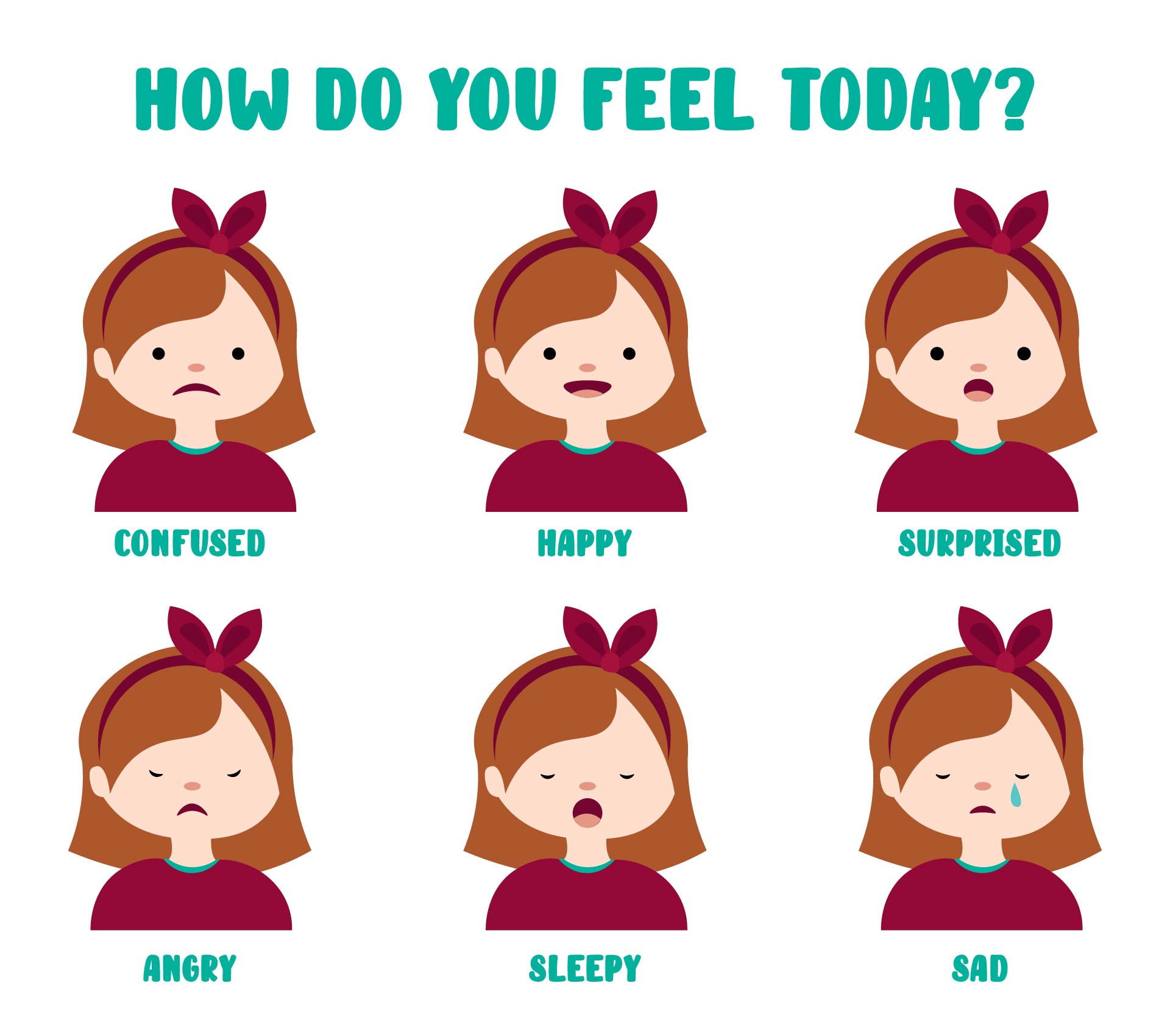
While seemingly a departure from a feelings chart, this image can be a fun and creative prompt for discussing emotions. For example, the feeling of excitement, power, or speed might be associated with a car like this. It can be used as an engaging icebreaker for therapy or group activities, asking participants to describe the feelings they imagine someone might have while driving such a powerful machine, using a feelings chart to help them.
8. Free Printable Feelings Chart For Adults
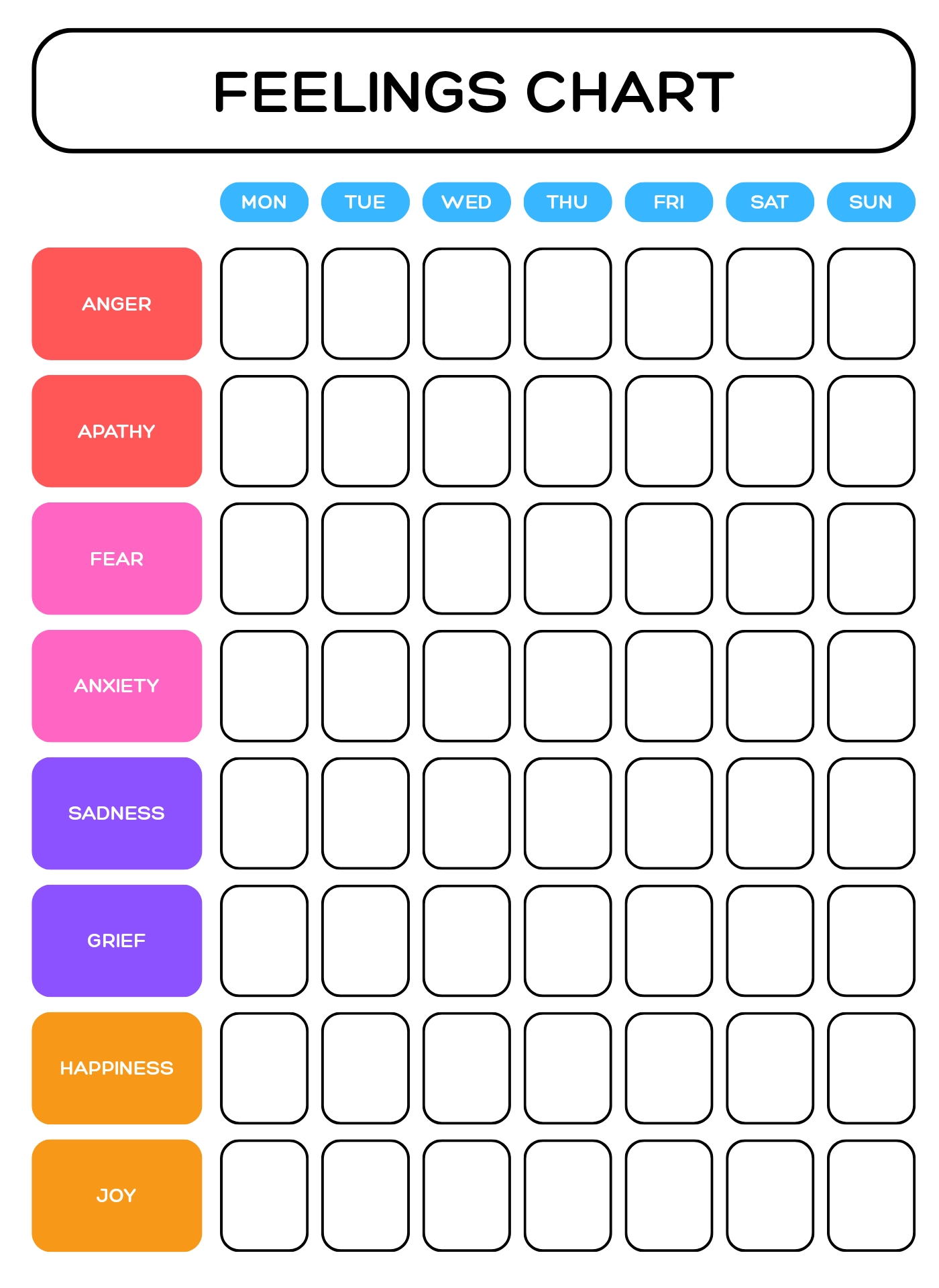
Designed with a more mature audience in mind, this chart uses sophisticated language and may include complex emotions like ‘overwhelmed,’ ‘disconnected,’ or ‘vulnerable.’ It acknowledges that adult emotional experiences are multi-layered and often intertwined with work, relationships, and societal pressures. This chart is a valuable tool for introspection, stress management, and improving communication in personal and professional relationships.
9. Free Printable Feelings Chart For Preschoolers
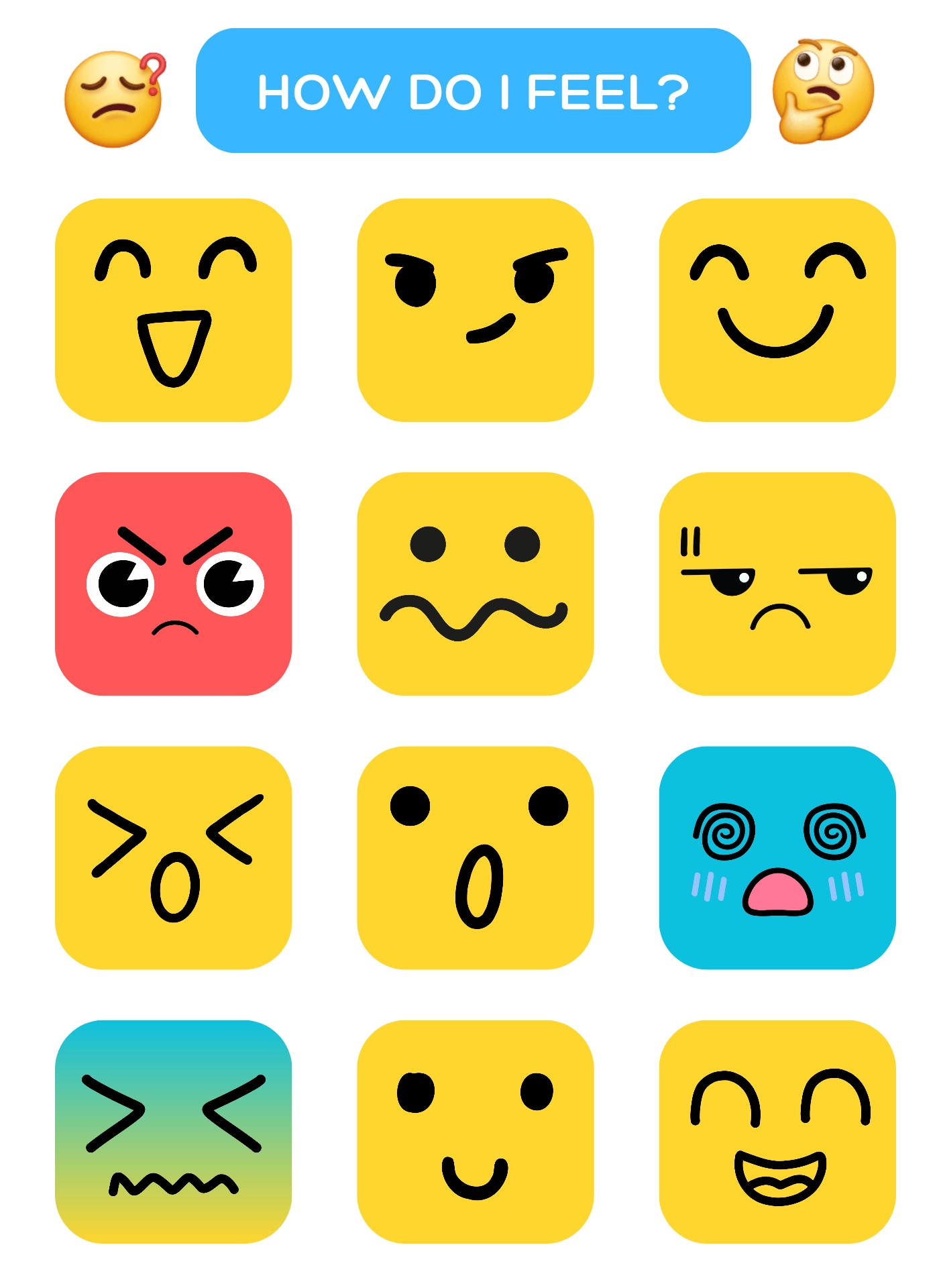
This chart is tailored for the youngest learners, featuring bright colors, adorable characters, and simple, primary emotions like happy, sad, angry, and scared. It’s a fantastic resource for preschool classrooms and home use to help little ones begin to identify and name their feelings. It promotes emotional literacy from an early age, setting the foundation for healthy social-emotional development.
10. Emoji Feelings Chart Printable
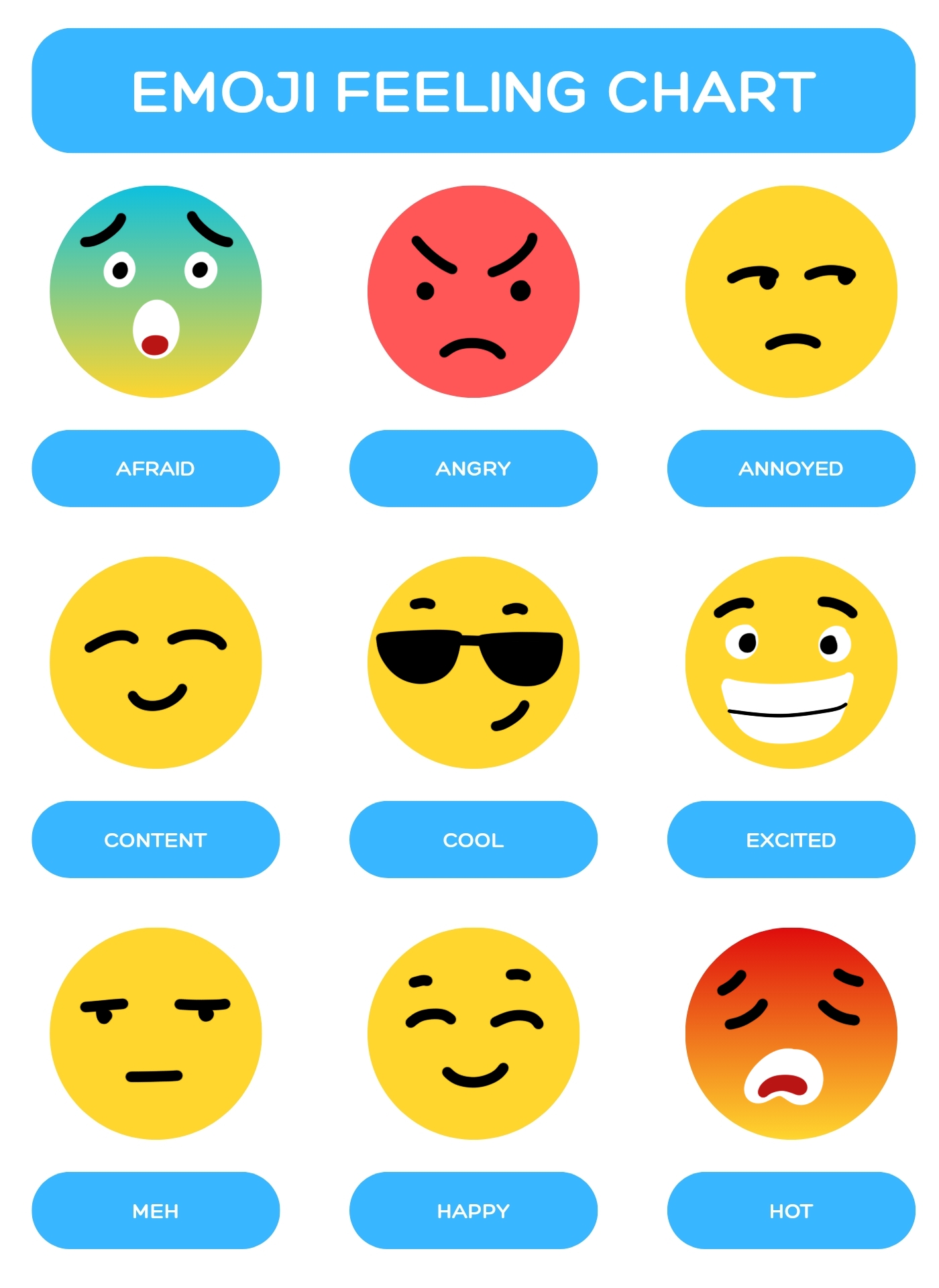
Leveraging the universal language of emojis, this chart is highly relatable, especially for younger generations and digital natives. It connects common digital symbols to real-world emotions, making feelings more accessible and modern. This format is a great way to engage teens and adults in conversations about mental health and well-being in a way that feels familiar and less intimidating.
11. Printable Feelings Chart For Kids
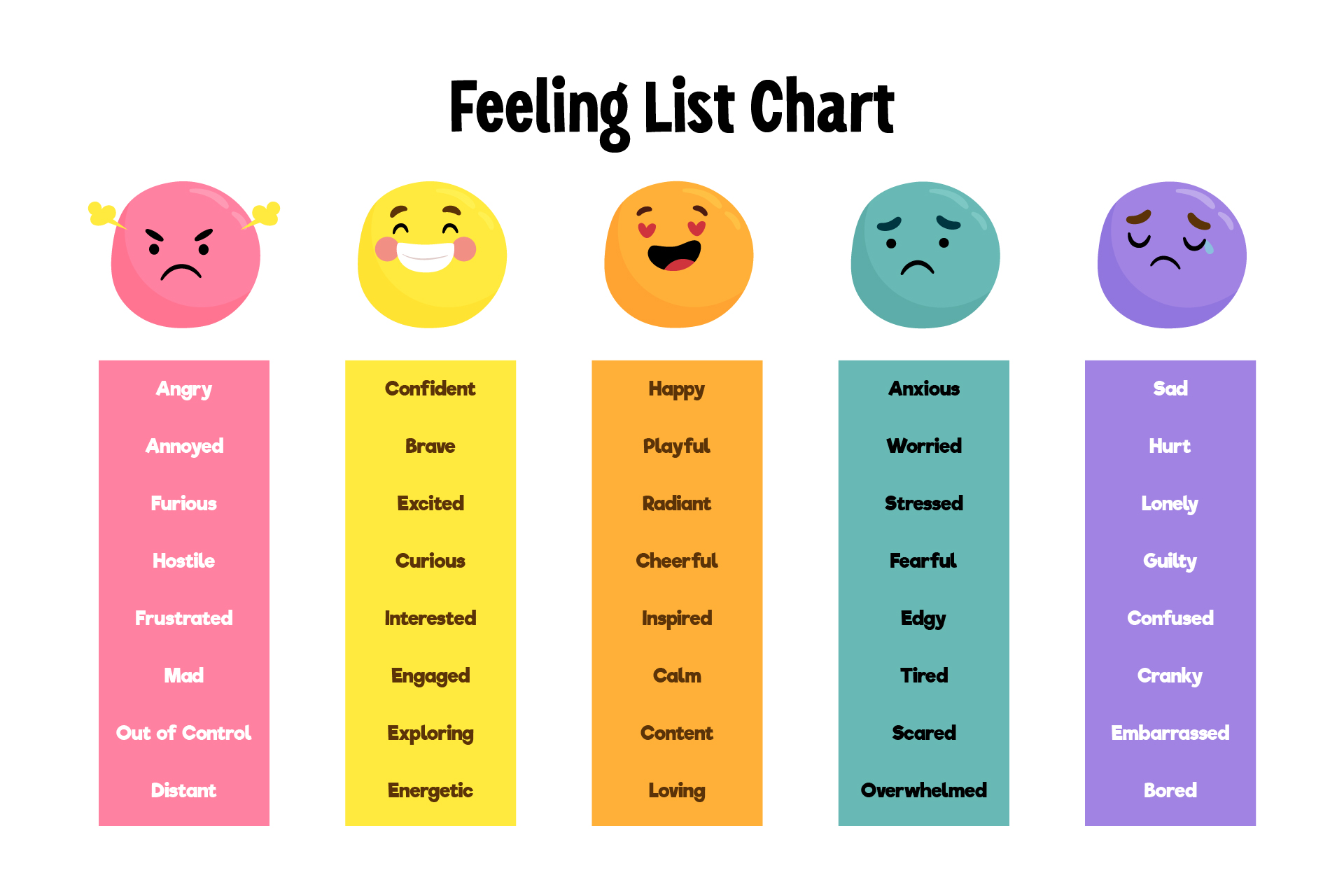
This chart provides a robust vocabulary of feelings suitable for school-aged children. It often includes emotions beyond the basics, such as ‘frustrated,’ ‘excited,’ and ‘disappointed.’ Using this chart can help children articulate their experiences more precisely, which in turn helps parents, teachers, and peers understand and support them better. It encourages empathy and better conflict resolution skills.
12. Printable Feelings Chart Emotional Self Check-in Self-regulation Zones
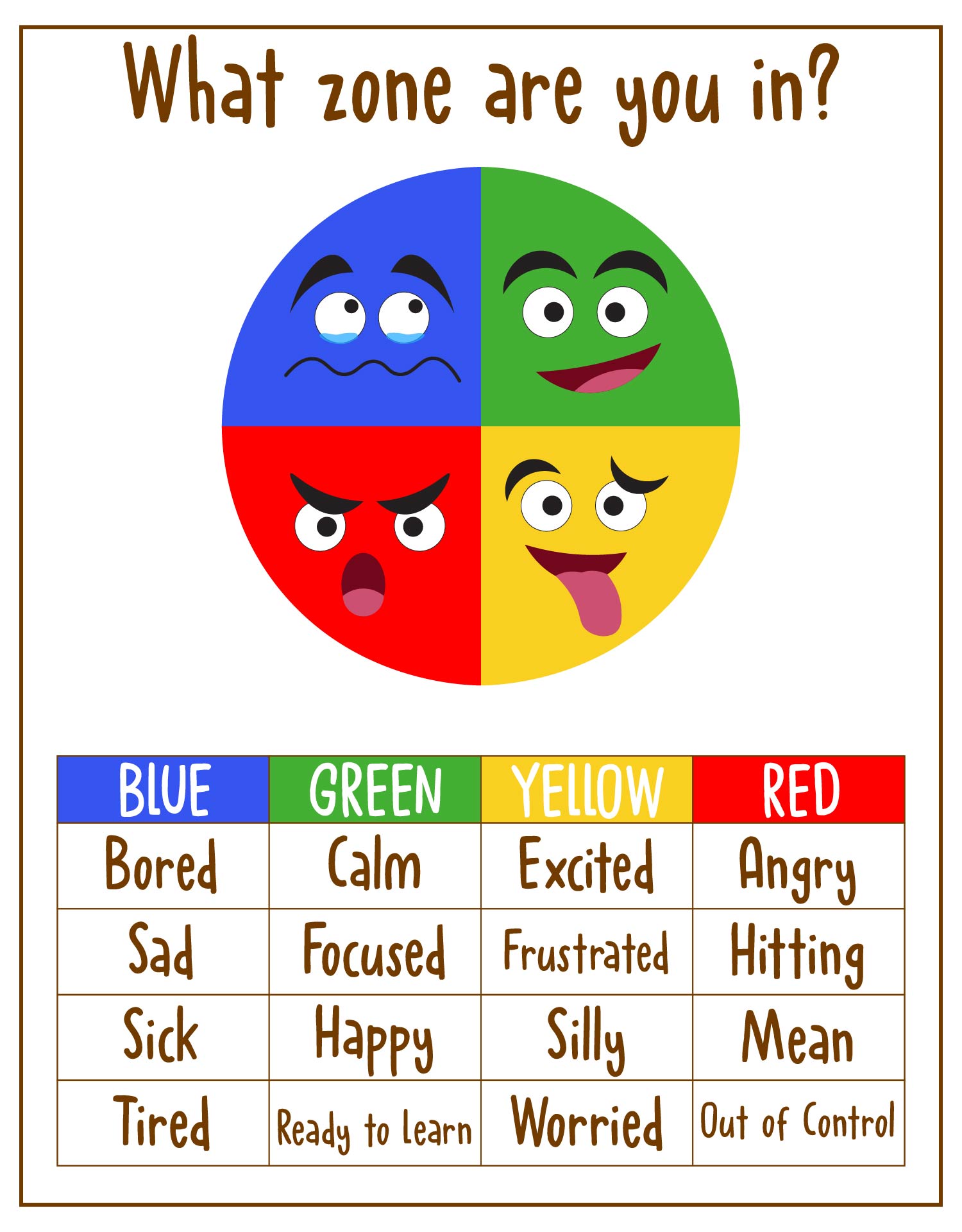
This advanced chart combines feelings recognition with self-regulation strategies. Often color-coded by intensity, it helps users categorize their current emotional state and then find appropriate coping strategies (e.g., calm down, seek help, take a break). This integrates emotional awareness with practical action, making it a powerful tool for developing emotional intelligence and resilience.
13. Printable Emotion Wheel For Kids
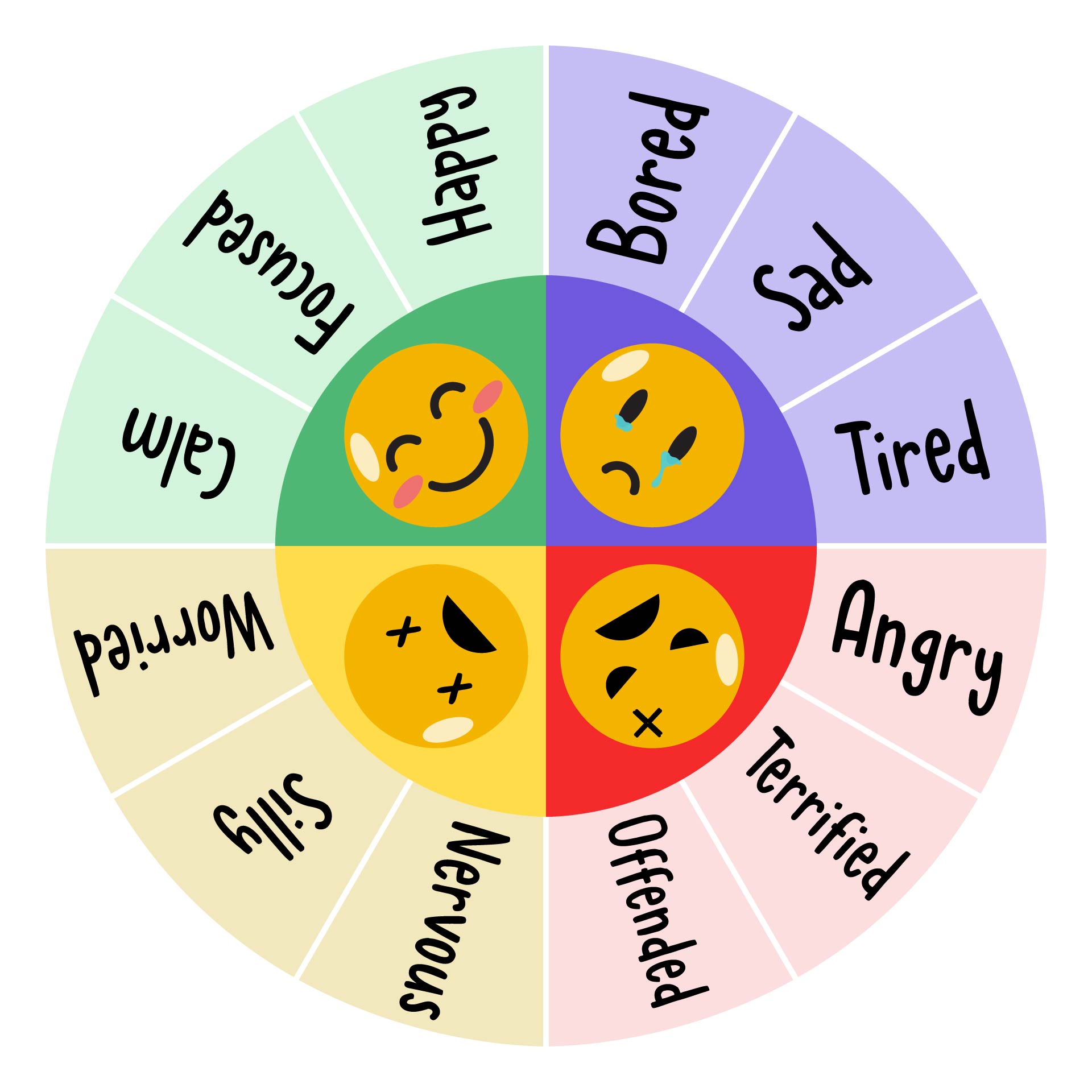
Inspired by the adult emotions wheel, this kid-friendly version simplifies the concept. It places core emotions in the center and branches out to more specific feelings, helping children see how emotions are connected. This visual tool is excellent for expanding a child’s emotional vocabulary and teaching them to recognize the nuances in their feelings and those of others.
14. Feelings And Emotions Worksheets Printable
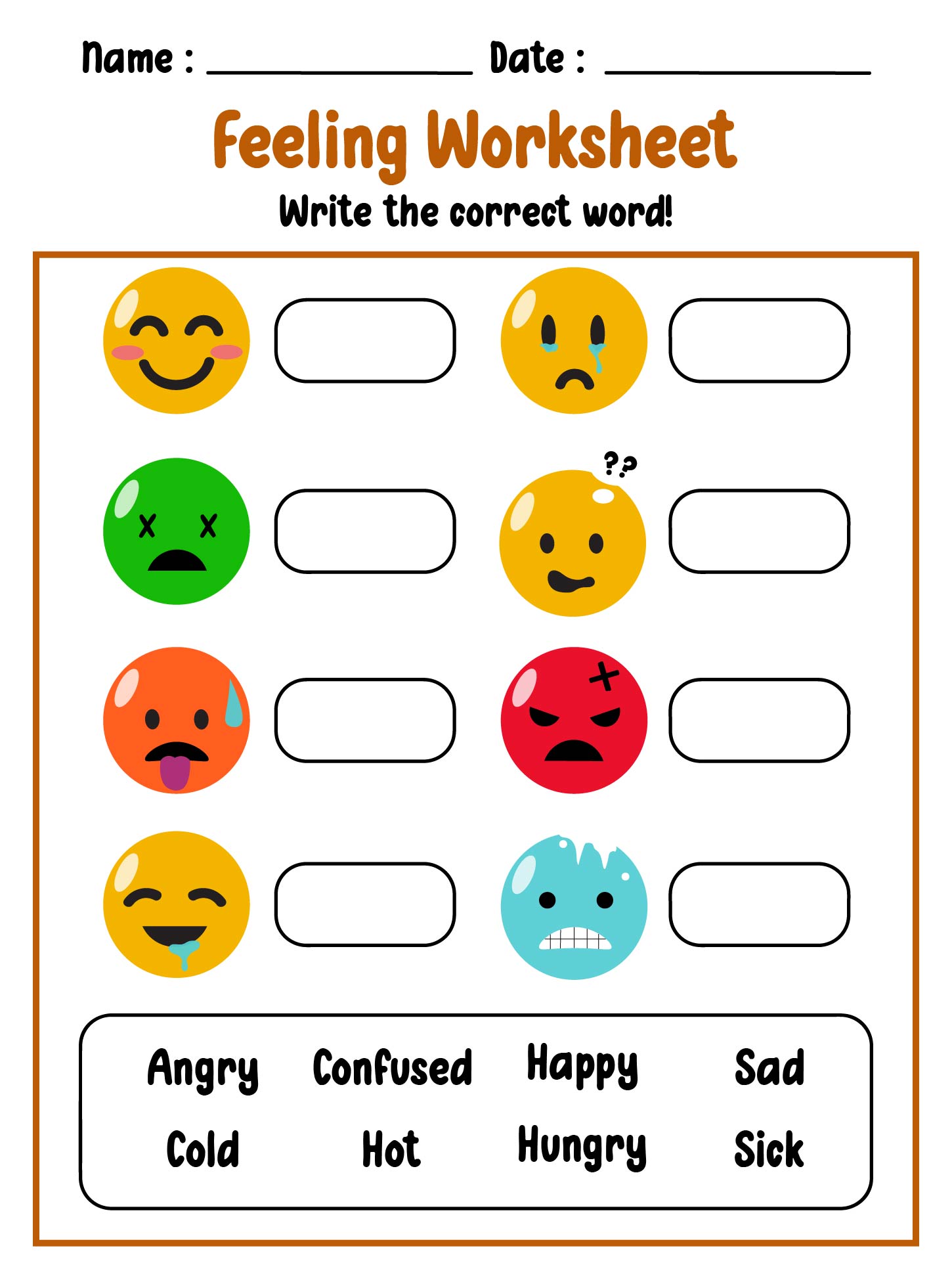
This resource goes beyond a simple chart, offering interactive worksheets for deeper exploration. These activities might include matching feelings to faces, drawing a face for a feeling, or writing about a time they felt a certain way. Worksheets are an engaging way to reinforce learning, making emotional education a fun and active process for kids and teens.
15. Printable Autism Feelings Chart For Children
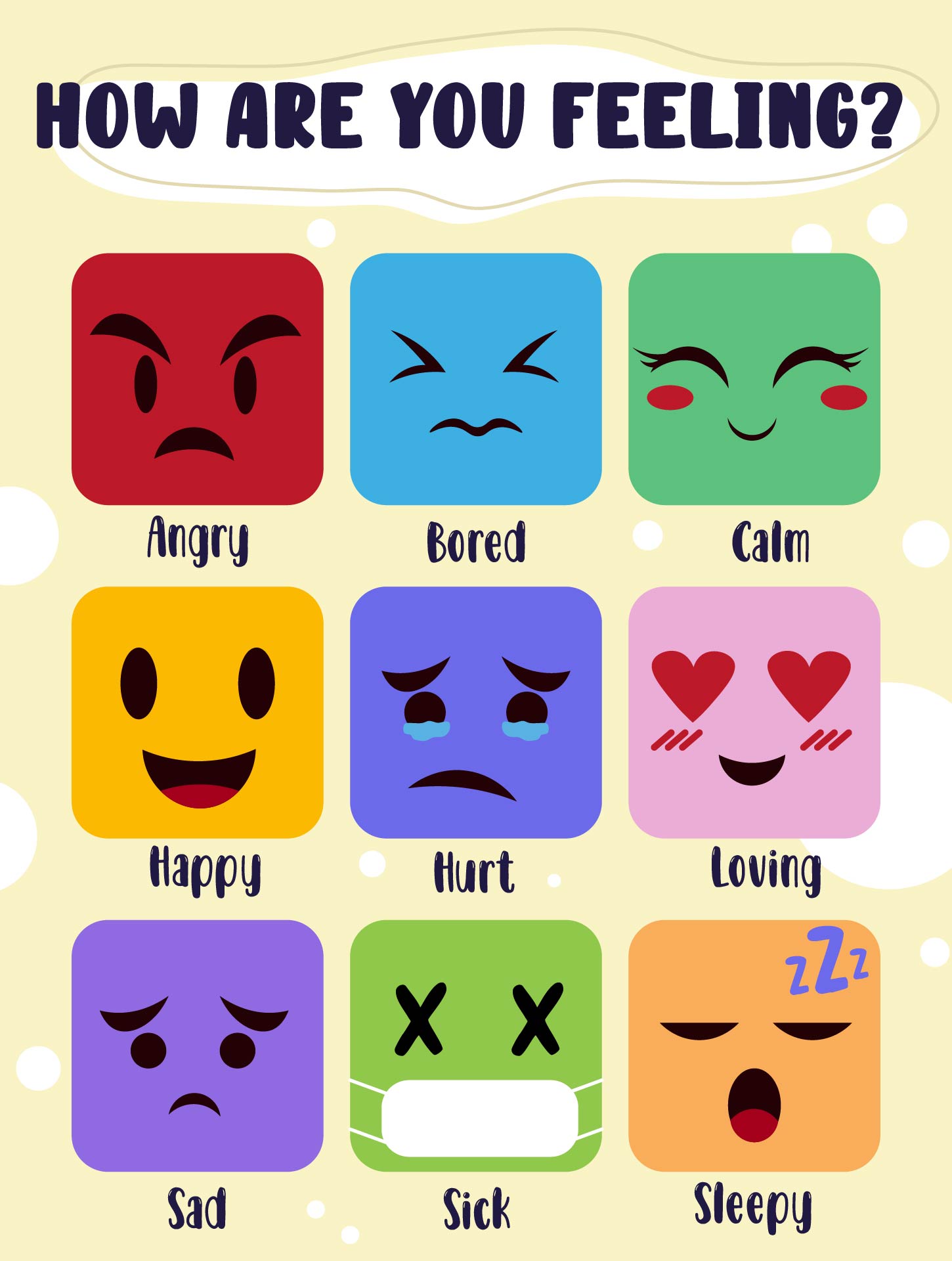
This chart is specifically designed to support children with autism, often featuring clear, simple illustrations and a structured format. It aids in the crucial skill of identifying and communicating emotions, which can be challenging for individuals on the spectrum. This tool helps bridge the communication gap, reducing anxiety and fostering independence in social and emotional situations.
16. Feeling Faces Printable Coloring Sheet
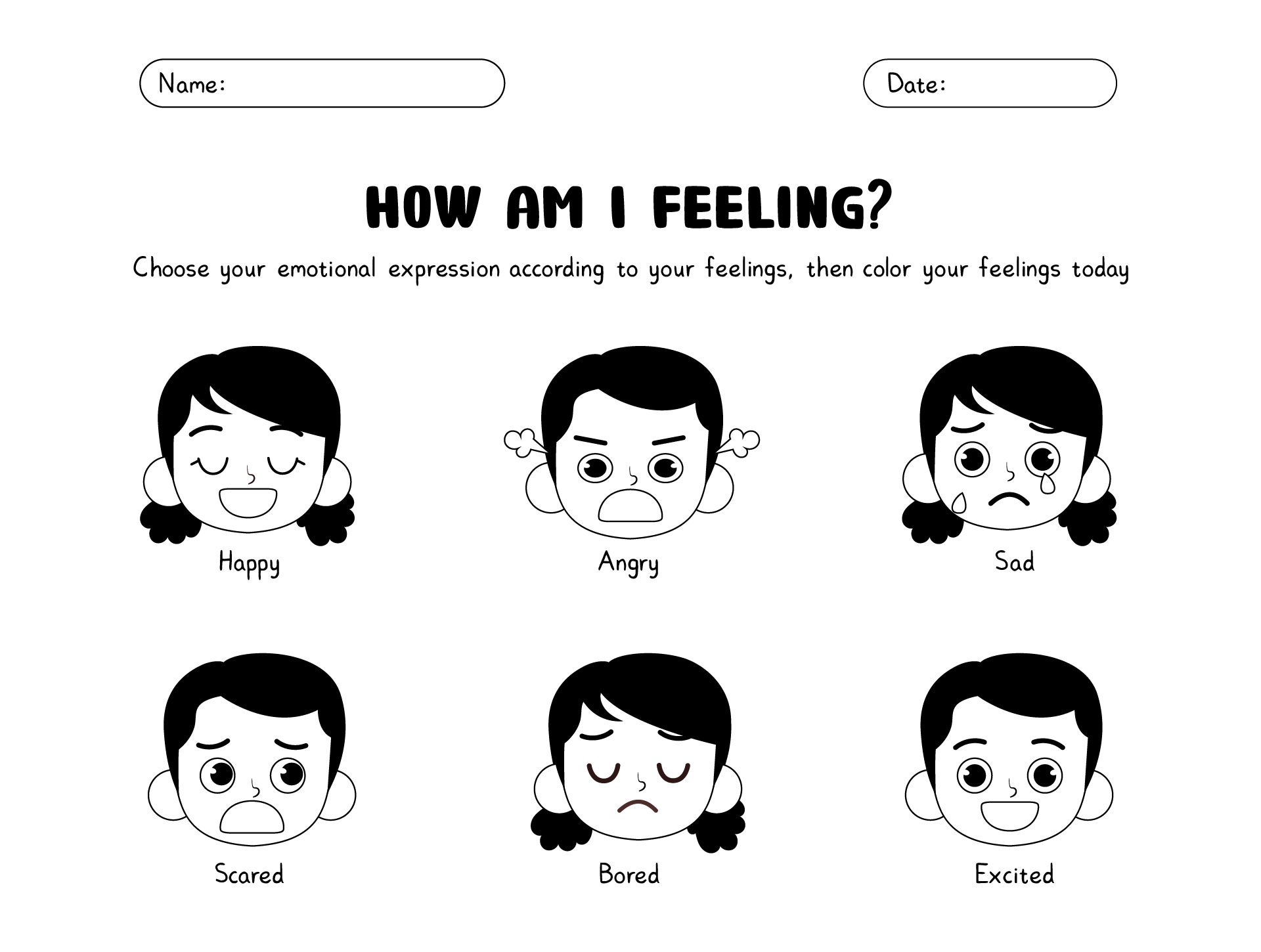
Combining learning with a calming activity, this coloring sheet features outlines of different feeling faces. As children color them in, they can discuss what each emotion feels like and what events might trigger it. This multi-sensory approach solidifies the concepts of emotional identification in a creative and engaging way, suitable for all ages.
17. Printable Feelings Chart For Kids In Preschool Or Kindergarten
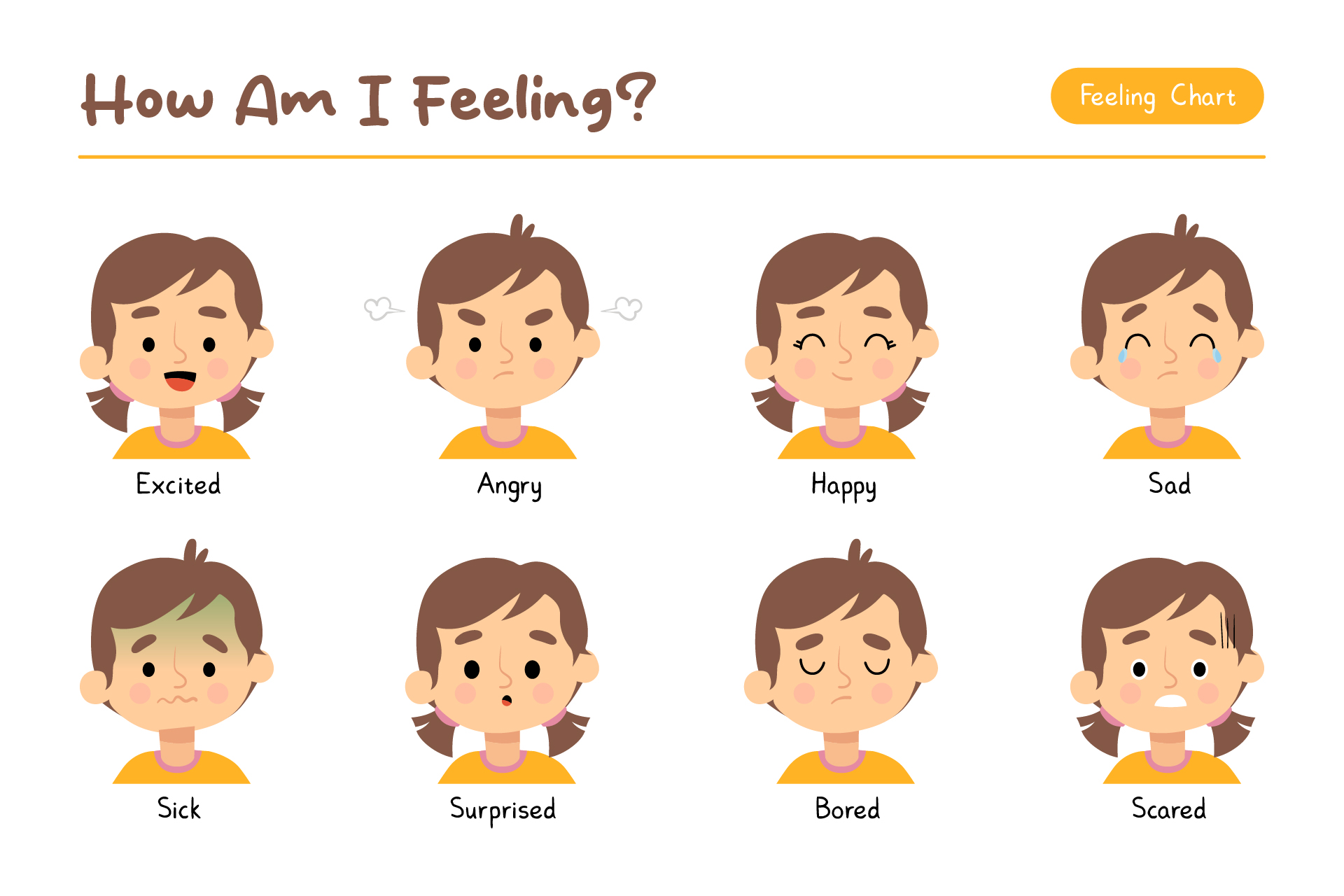
This chart is a perfect addition to any early childhood classroom. Featuring friendly characters and simple, relatable scenarios, it helps teachers and students alike engage in daily ‘feelings check-ins.’ It normalizes the conversation around emotions, teaching children that it’s okay to have different feelings and giving them a routine way to share them.
18. Emotion Check In Activity Printable
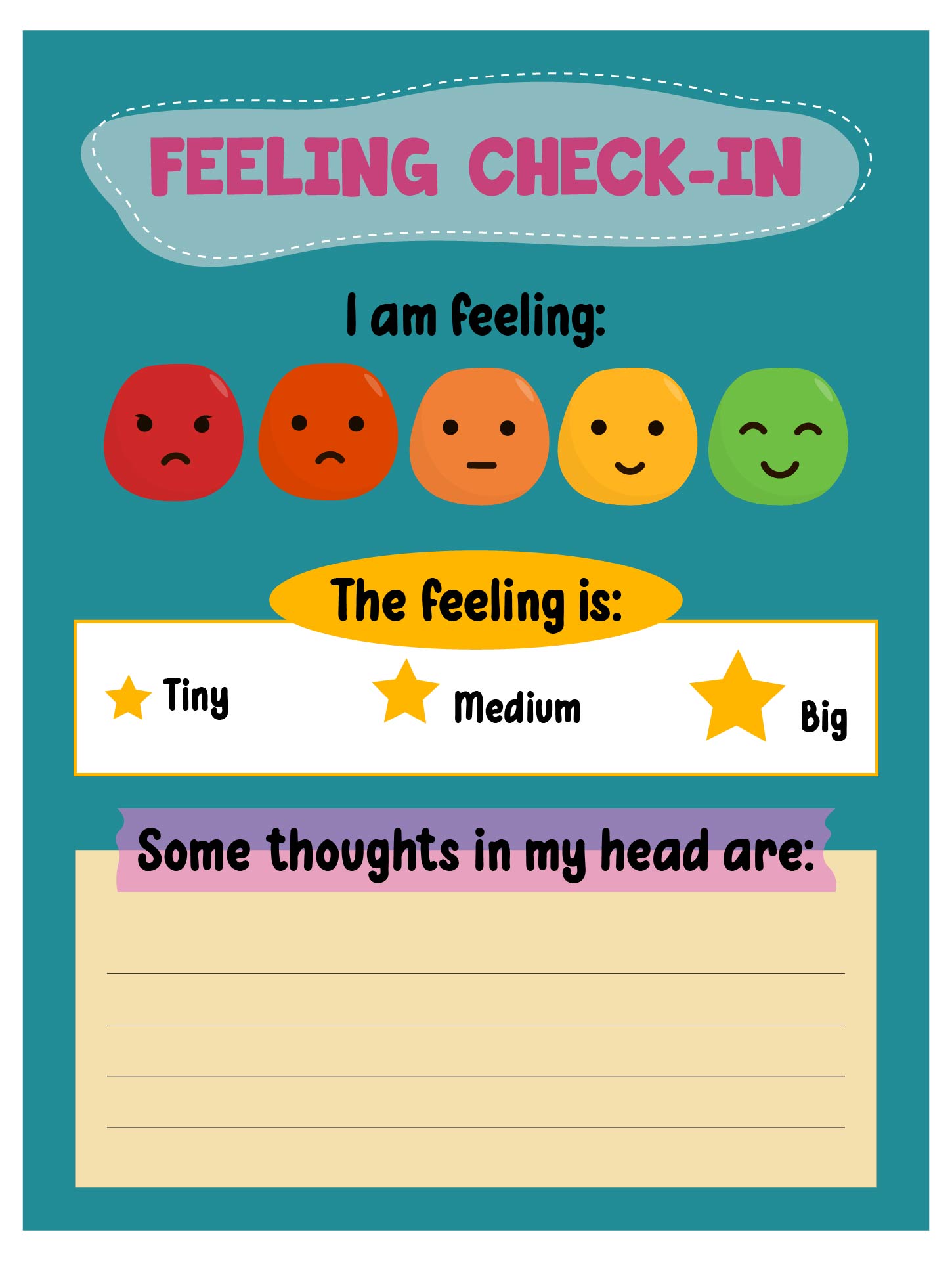
This is an interactive tool designed to turn emotional awareness into a regular habit. It might be a sheet where you circle how you’re feeling or a prompt for a brief morning journal entry. This activity helps integrate self-reflection into your daily routine, promoting ongoing mindfulness and emotional health.
19. The Feelings Wheel Printable
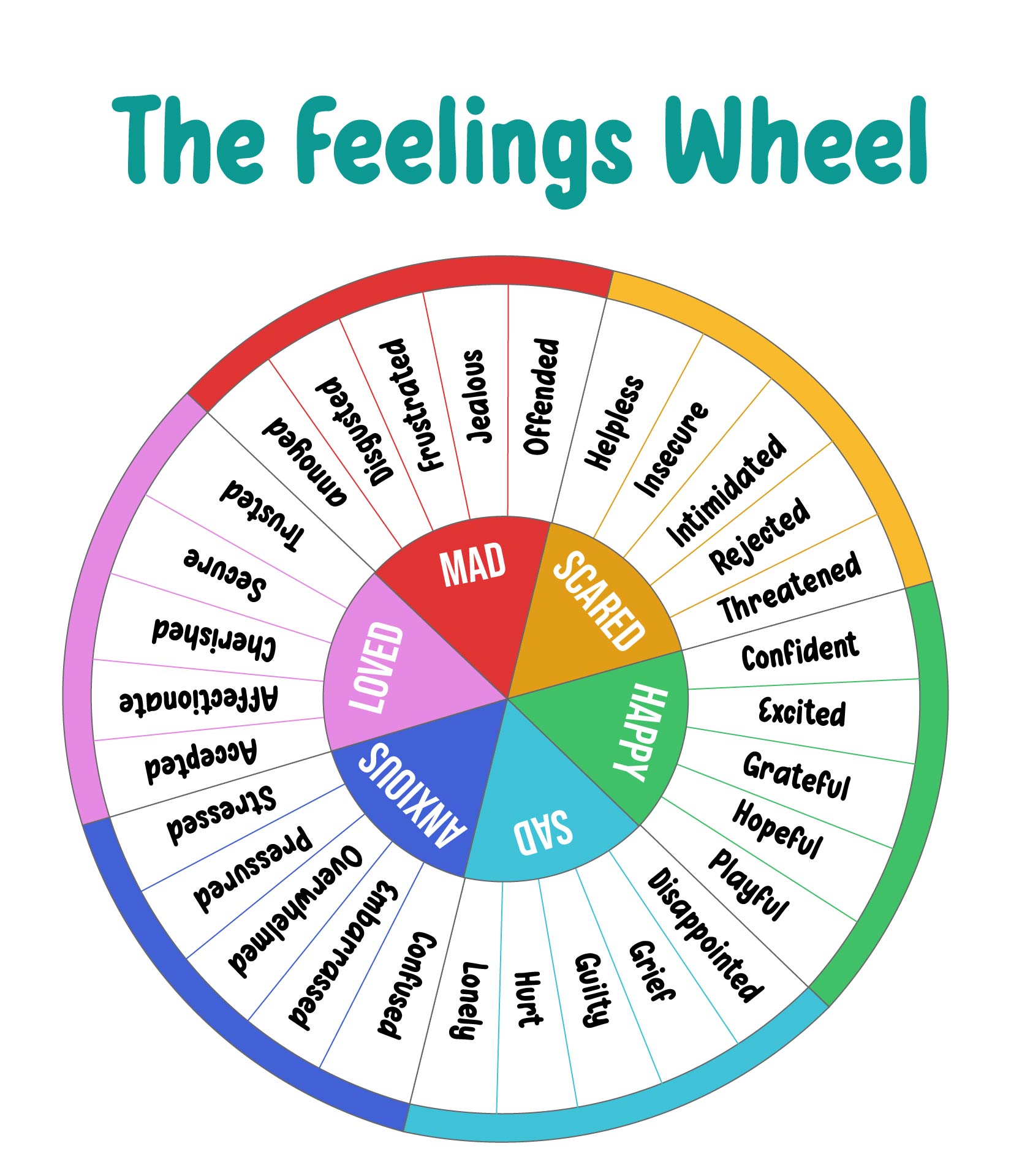
A classic in emotional intelligence, this wheel organizes emotions in a circle. Core emotions like ‘angry’ or ‘sad’ are in the center, with more specific related feelings on the outer edges. This popular design helps you move from a general feeling to a very specific one, making it an invaluable tool for counselors, therapists, and anyone on a journey of self-discovery.
20. Feelings Emotions Coping Skills Printable Poster
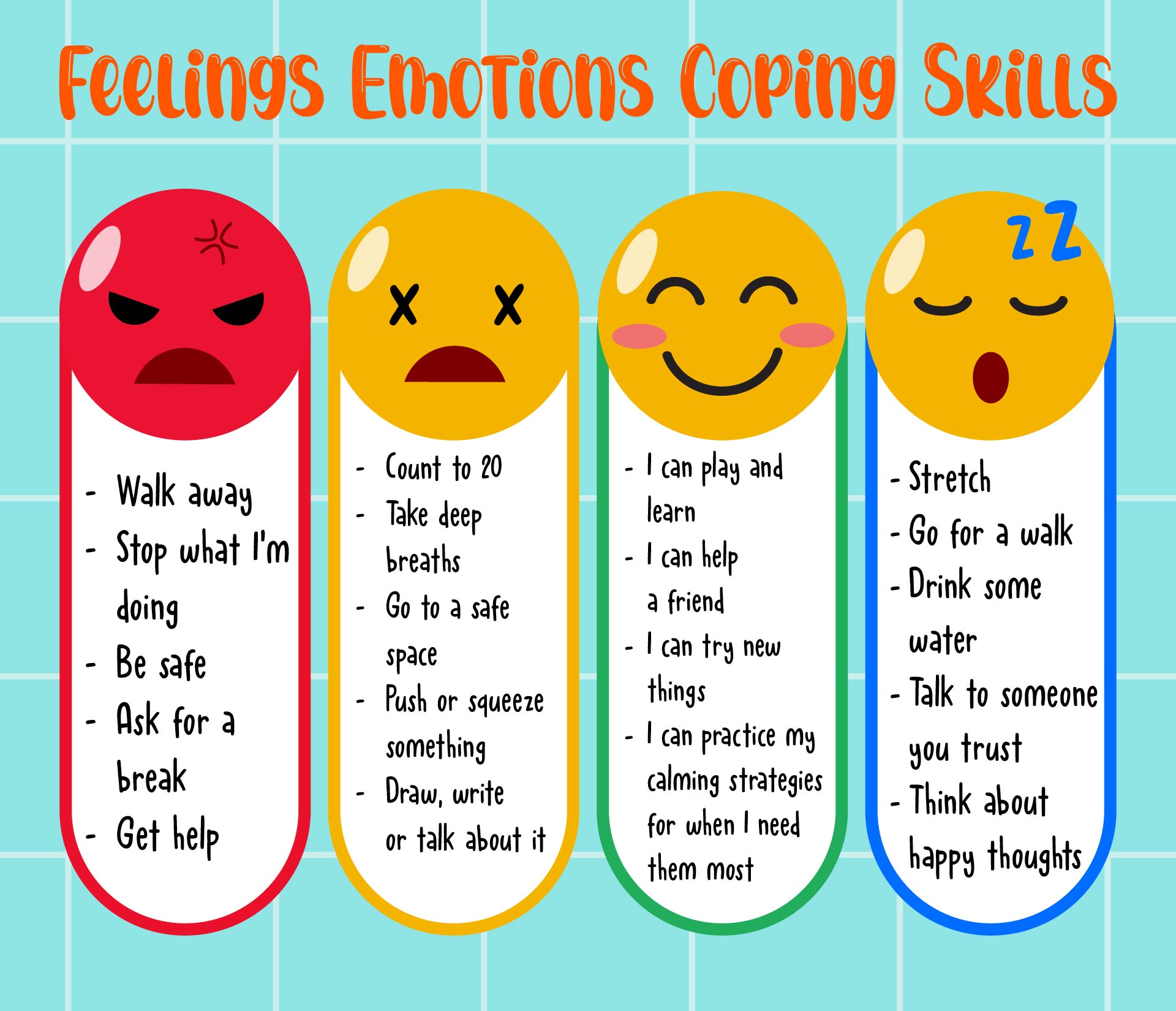
This comprehensive poster combines emotional identification with actionable coping skills. It provides a quick-reference guide, showing that for every feeling, there’s a constructive strategy to manage it. This makes it an excellent visual resource for classrooms, counseling rooms, and homes, empowering individuals to take charge of their emotional well-being.
Frequently Asked Questions
What is a feelings chart and how does it help?
A feelings chart is a visual tool that displays a variety of human emotions, often with corresponding pictures or descriptions. It helps people, especially children and those with communication difficulties, to identify, label, and express their complex feelings. By providing a shared vocabulary for emotions, it aids in self-regulation, reduces frustration, and improves communication with others. It is a key resource in developing emotional intelligence.
What are the different types of feelings charts?
There are many types of feelings charts, each designed for a specific audience or purpose. Common types include basic charts for children with simple emotions like happy, sad, angry, and scared; detailed lists of emotions for adults to expand their vocabulary; emotion wheels which show the relationship between different feelings; and specialized charts for individuals with autism or other neurodevelopmental disorders. Some charts also incorporate coping strategies.
How can I use a feelings chart in my classroom or at home?
A feelings chart can be used as a daily check-in tool. Place it in a common area and encourage children (or adults) to point to or name how they are feeling at the start of the day or during transitions. This normalizes the conversation around mental health and provides a first step in regulating emotions. It’s also a great way to start difficult conversations, giving individuals the words they need to express themselves.
Is there a difference between a feelings chart and an emotions chart?
While often used interchangeably, there is a slight difference. Feelings are a conscious, subjective experience of an emotion, often influenced by our thoughts. Emotions are a more biological, physical reaction to a stimulus. However, in the context of charts, they both serve the same primary purpose: to help individuals identify and name their internal state, whether it’s a physiological response (emotion) or a mental one (feeling).