
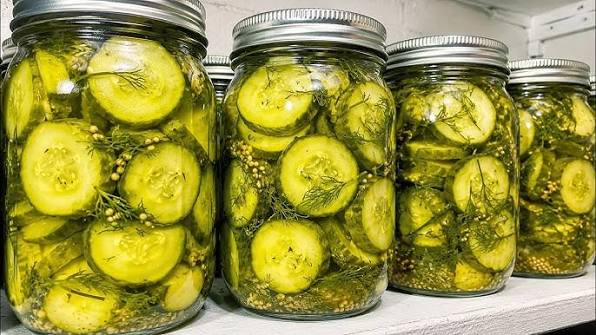
Preserving cucumbers takes more planning than most garden vegetables, because they are almost entirely water and they soften fast once they leave the vine. I have put together every method I use to get a cucumber harvest into the pantry, the freezer and the crock, along with the pickling recipes I come back to season after season. From classic dill pickles and fermented sour pickles to dehydrated chips, frozen slices for smoothies, and even cucumber-infused vodka, this guide covers over 15 ways to keep your cucumber harvest from going to waste.
1. Harvesting Cucumbers
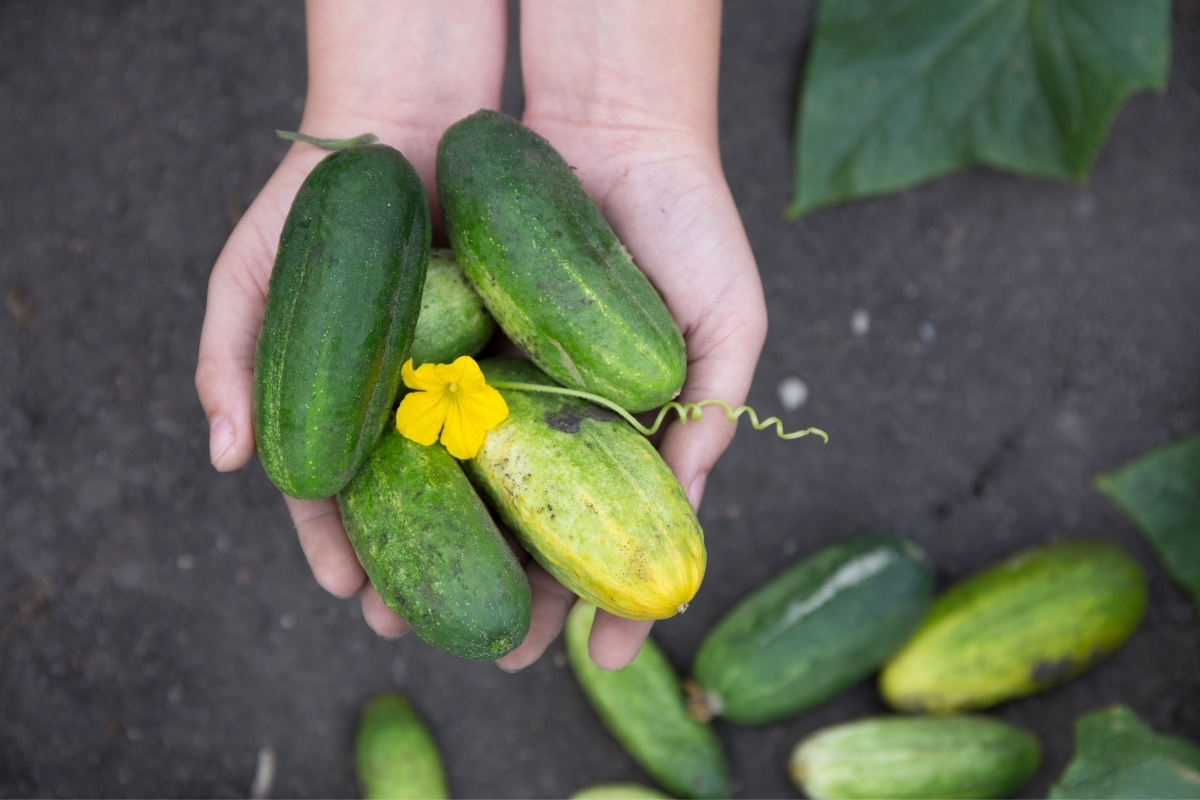
Harvest cucumbers when they are firm and bright green. Check your vines daily during peak season, as they can go from perfect to overripe in just a day or two. Use sharp shears to cut the stem, leaving a small piece attached to the fruit to prevent rot.
2. How to Store Fresh Cucumbers
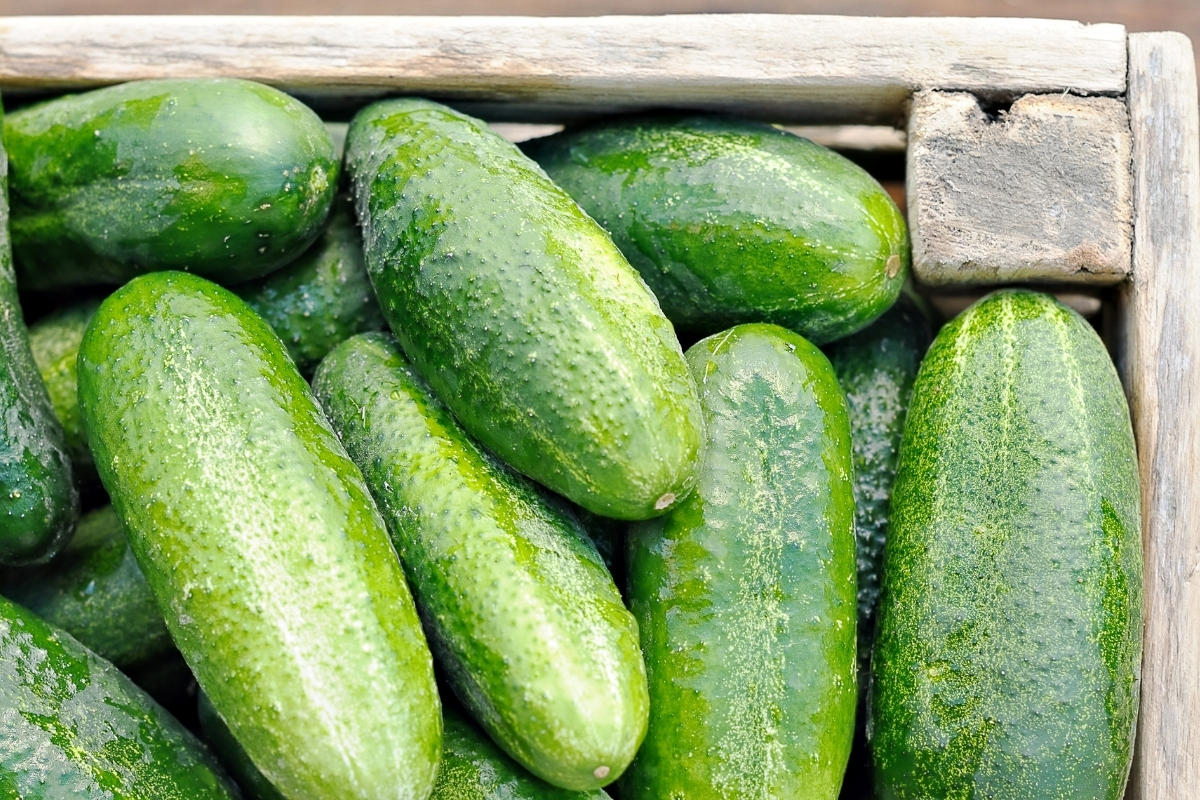
Fresh cucumbers hold their quality about a week in the refrigerator and can stretch to two weeks with proper care. They suffer from temperatures below 45°F, so store them in the middle of the fridge toward the front, not in the coldest crisper drawer. Wrap each loosely in a paper towel to prevent condensation.
3. Freezing Cucumber Slices
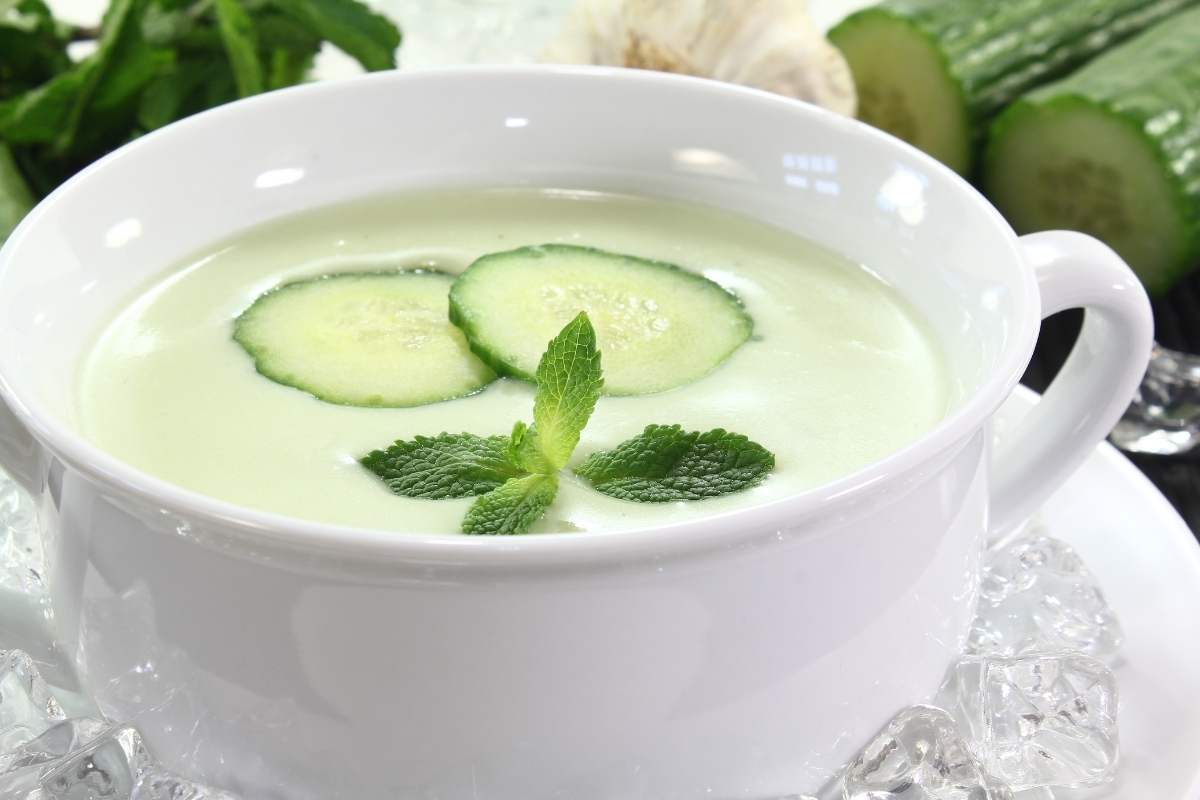
Freeze cucumber slices on a parchment-lined baking sheet before bagging to prevent clumping. Thawed cucumbers are soft, so use them in cold soups, smoothies, relishes, or cucumber water. Peel before freezing if you want them peeled, as it’s much easier to do while fresh.
Recommended For You


4. Cucumber Ice Cubes
Puree cucumbers, strain the juice, and freeze in ice cube trays. You can also freeze slices in water for a prettier cube. Two cubes in plain water or a gin and tonic tastes like the garden, even in the middle of January.
5. Dehydrating Cucumber Chips
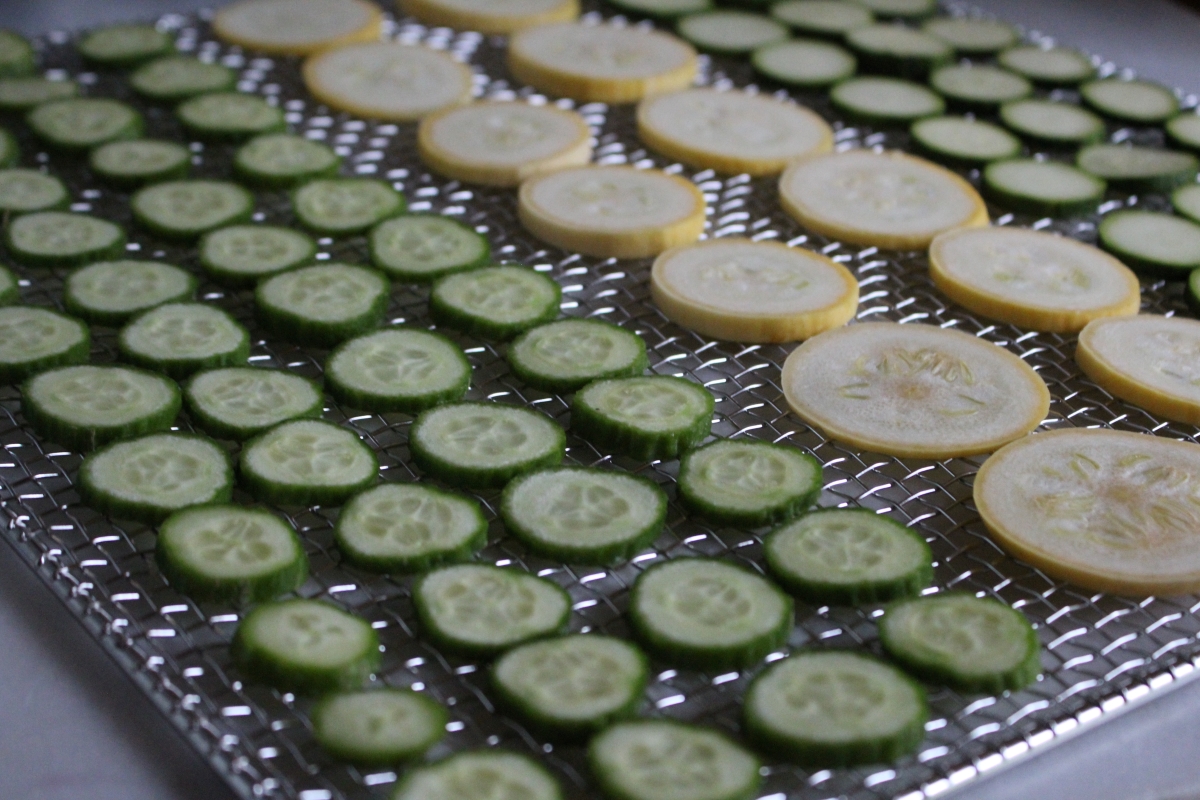
Slice cucumbers thinly and uniformly using a mandoline. Toss with oil and your favourite seasonings – salt and vinegar, ranch, or barbecue all work well. Dehydrate at 135°F for 4 to 6 hours until they snap. Store in an airtight container for months.
6. Cucumber Powder
Grind dried cucumber chips in a coffee grinder or blender to make a fine powder. Stir it into yogurt dips, whisk it into dressings, or use it to thicken and flavour cold sauces. Store in a small airtight jar to preserve freshness.
7. Freeze Drying Cucumbers
Slice cucumbers about ¼ inch thick and freeze-dry them. This method preserves the cell structure, leaving you with crisp, snapable slices that rehydrate well. Properly sealed with an oxygen absorber, they can store for years.
8. Fermenting Cucumbers
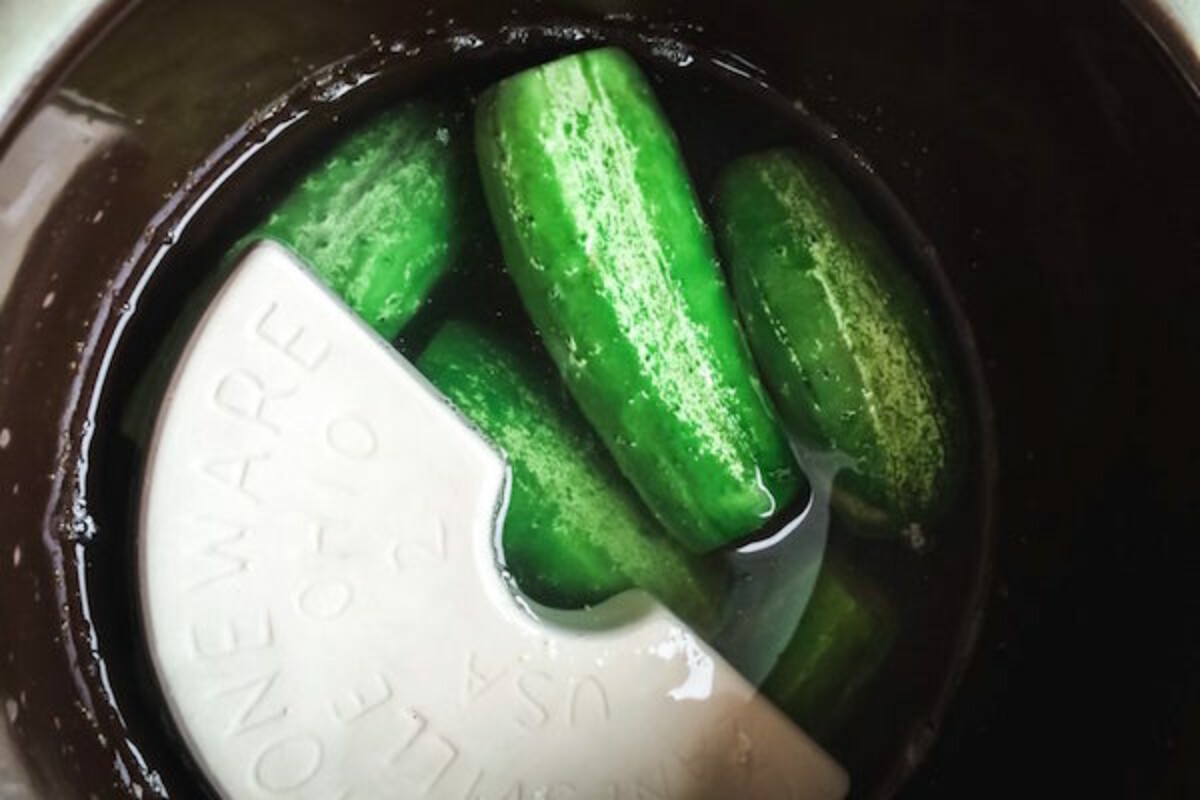
Ferment cucumbers in a salt brine using small, thin-skinned cucumbers picked the same day. Trim the blossom end to prevent softening. Use a fermentation weight to keep everything submerged. The result is crisp, tangy, probiotic-rich pickles.
9. Refrigerator Pickles
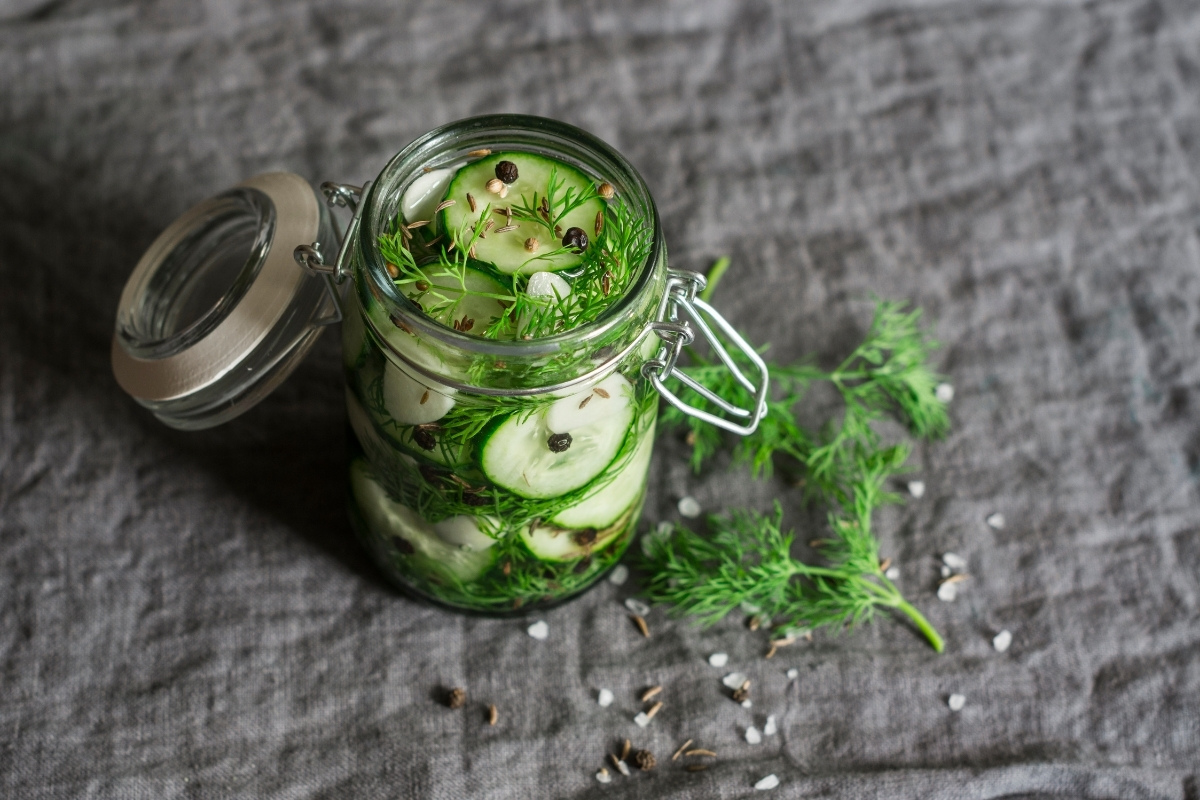
No canning required! Slice cucumbers and pack into jars with spices of your choice. Cover with a brine of half water and half vinegar, and refrigerate for several days. They last for a month or two and are perfect for experimenting with different flavours.
10. Canning Dill Pickles
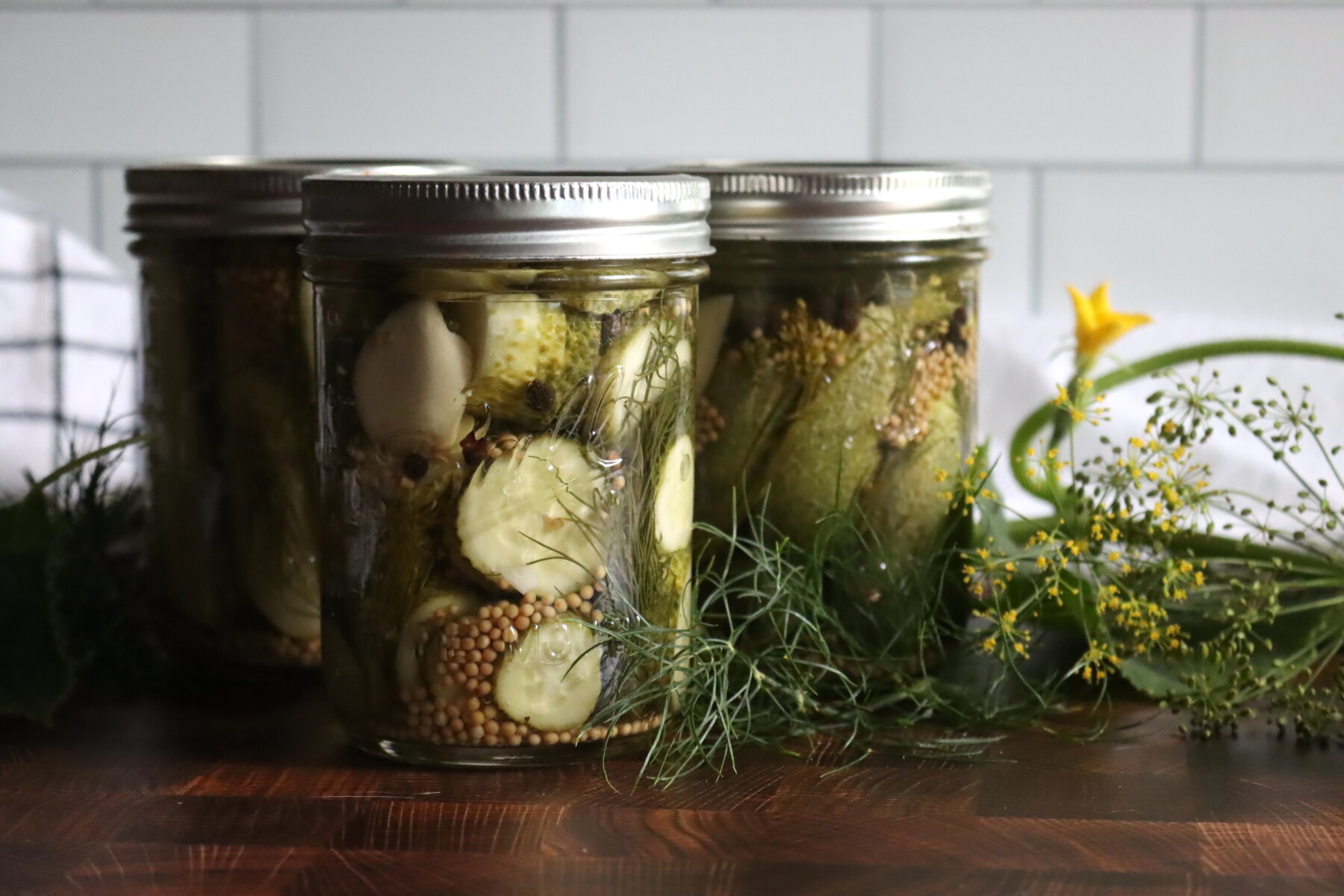
Water bath canning is the only way to get shelf-stable jars that keep 12 to 18 months. Use a tested recipe, vinegar of 5% acidity, and trim the blossom end. Add pickle crisp (calcium chloride) or a grape leaf for extra crunch.
11. Sweet and Bread and Butter Pickles
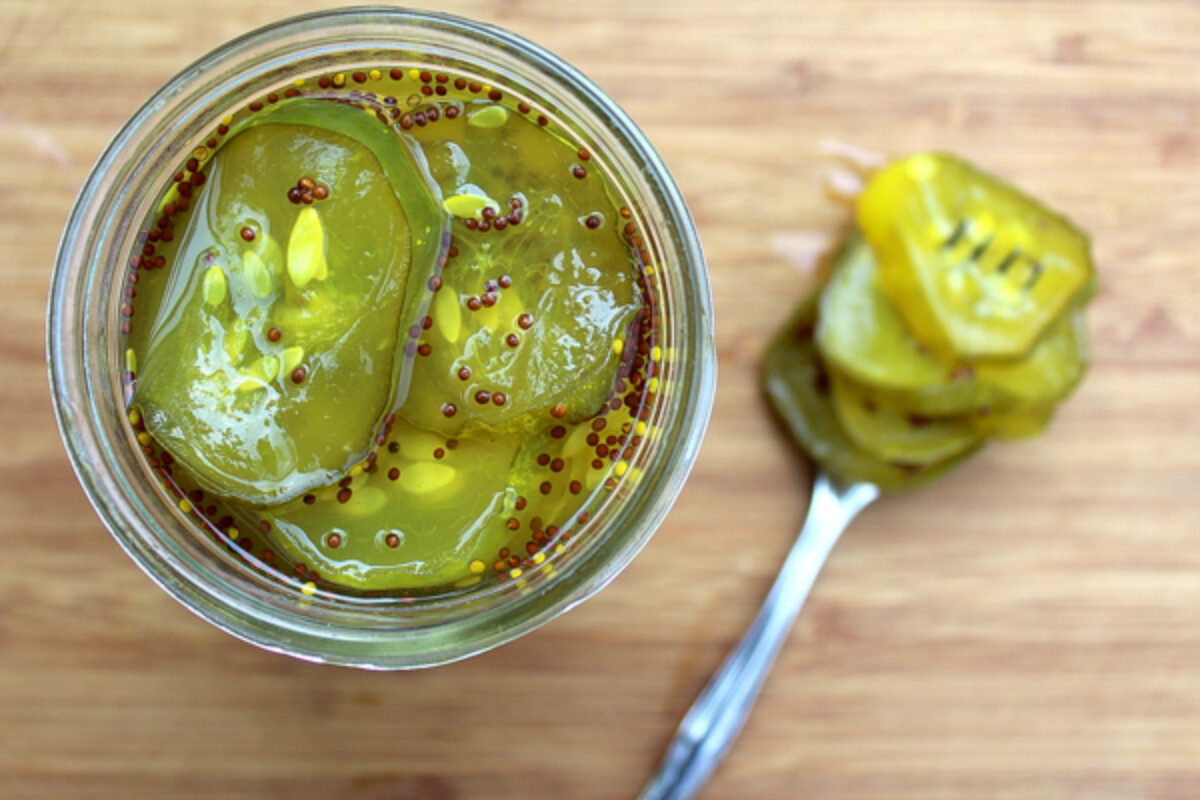
Bread and butter pickles are a sweet and tangy way to use up oversized cucumbers. Salting draws out water and bitterness. This recipe leans savory with mustard seed, celery seed, and turmeric. Allow jars to rest for two weeks before opening for the best flavour.
12. Spicy Pickles
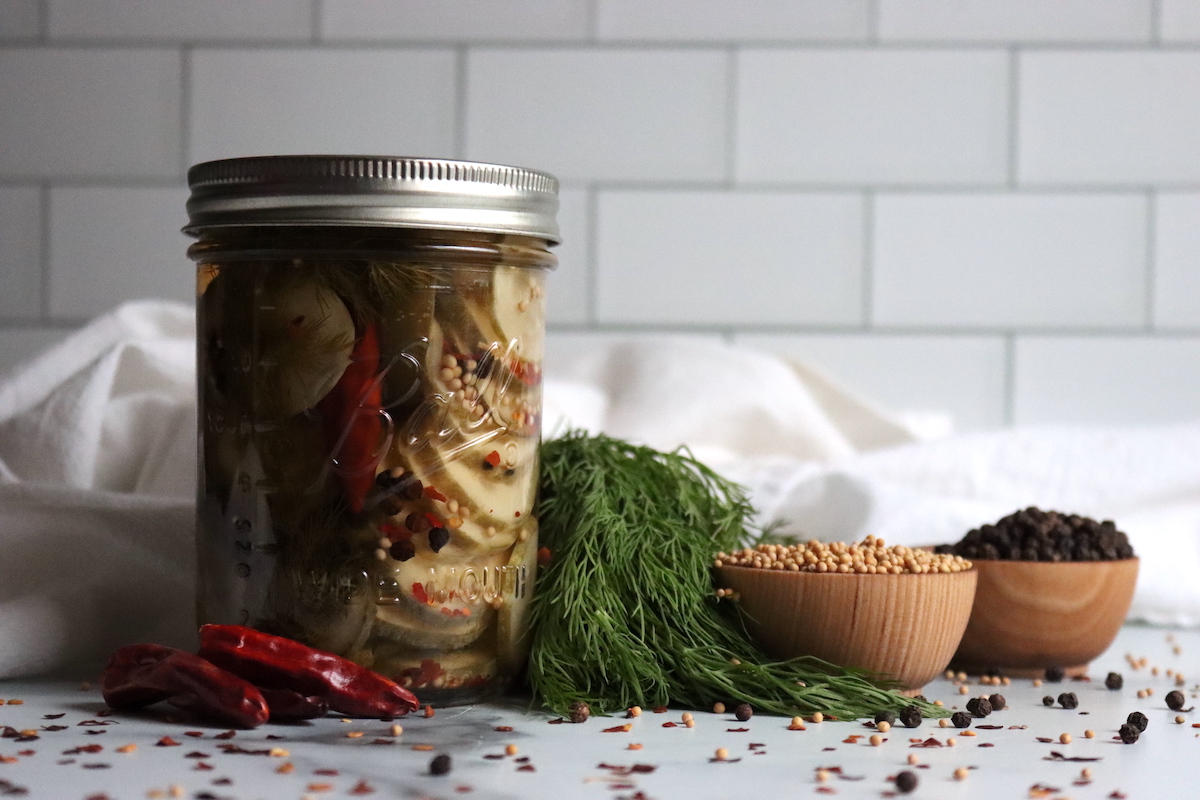
Add crushed red pepper or a couple of jalapeño slices per jar to give your dill pickles a kick. A few spicy jars go a long way and are perfect for burgers or snacking.
13. Tiny Pickles and Cornichons
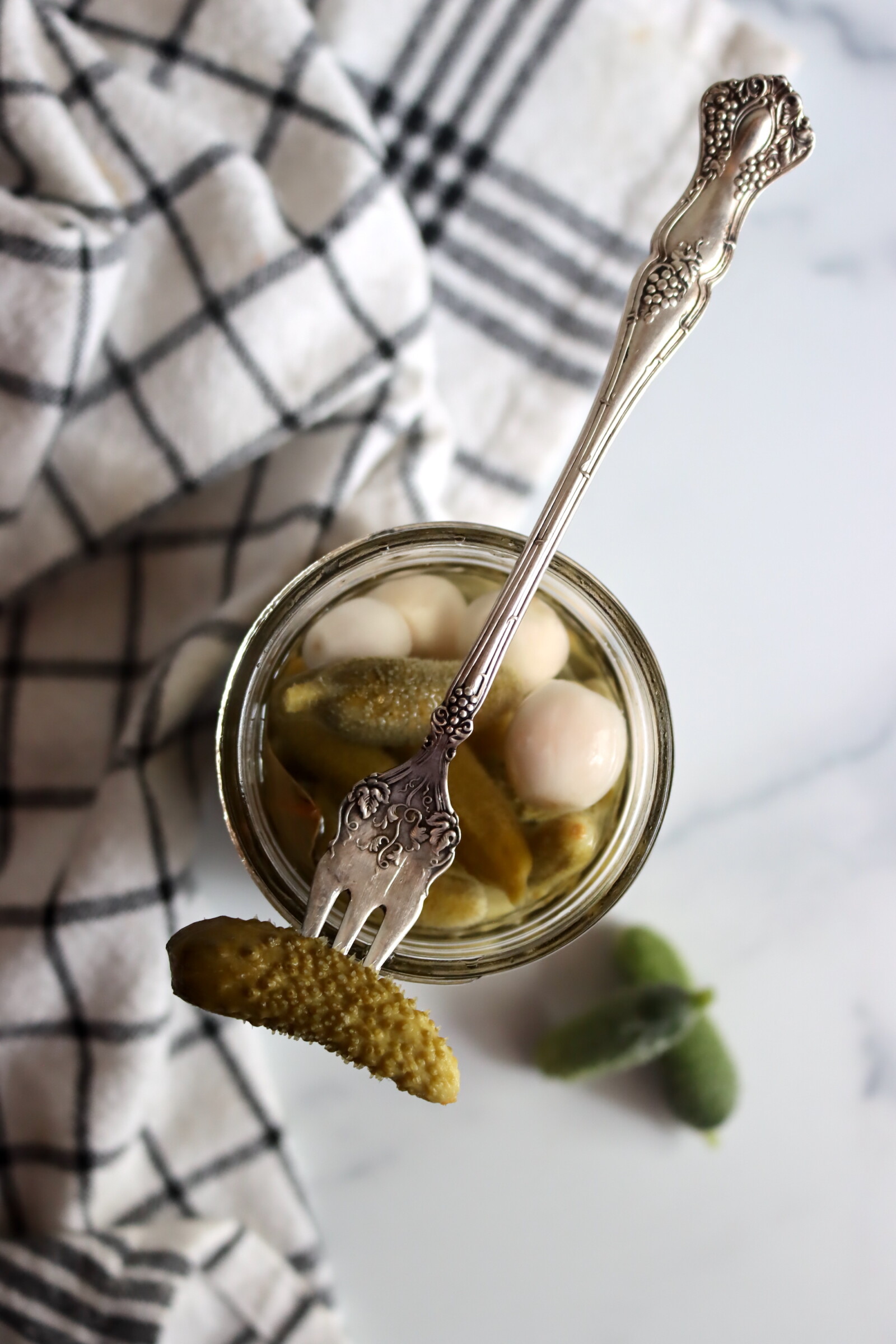
Pick cucumbers at one to three inches for classic cornichons or sweet gherkins. The window between gherkin and cucumber is about two days, so harvest often. Cornichons are brined with tarragon and served with pâté, while gherkins are sweet and spiced.
14. Old Fashioned and Heritage Pickles
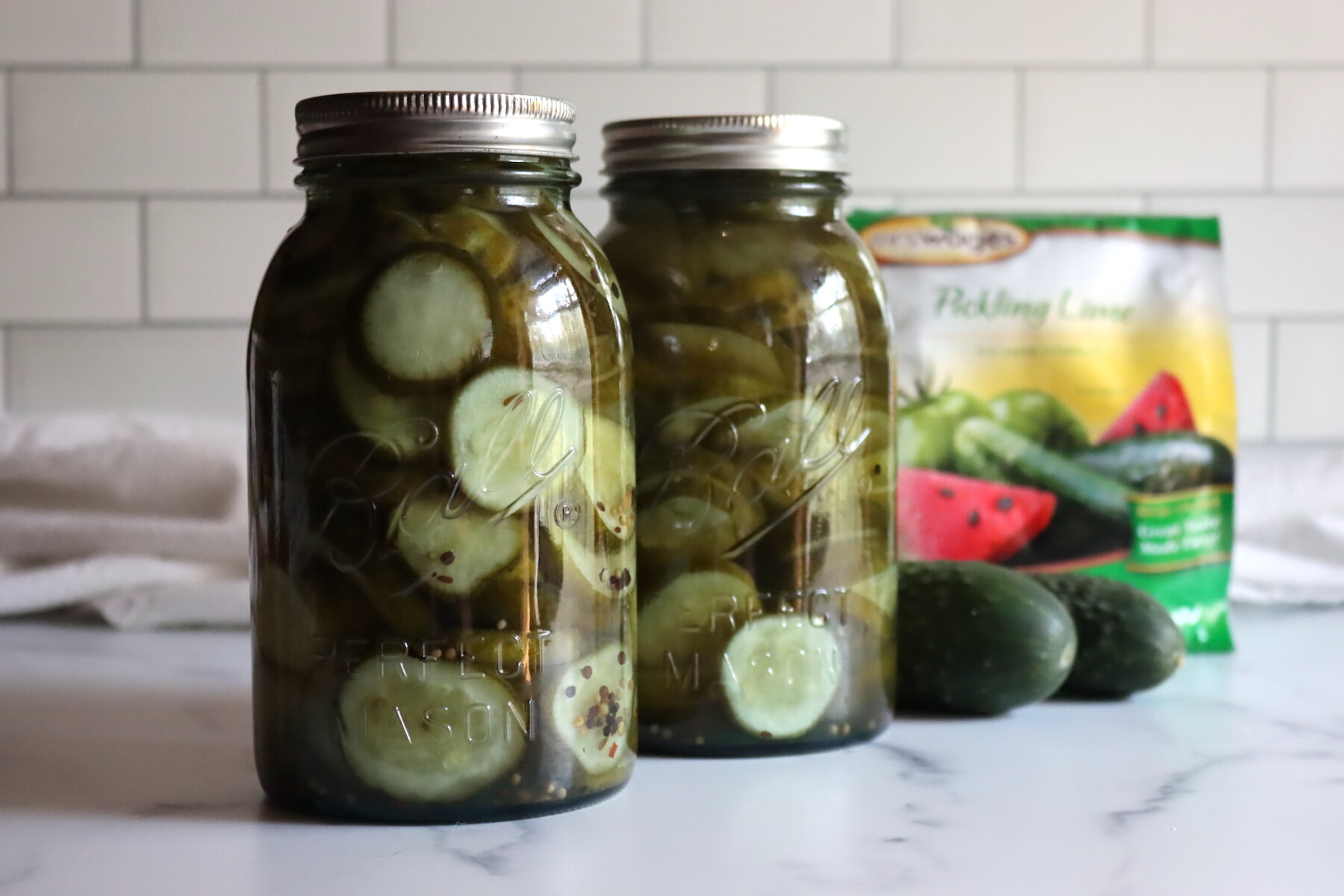
These recipes take days or weeks, with rounds of brining, draining, and rinsing. They produce a crunch that quick-process pickles cannot match. Some use pickling lime to firm the cucumbers – follow the recipe’s soak and rinse steps exactly as written.
15. Pickles for Overripe Cucumbers
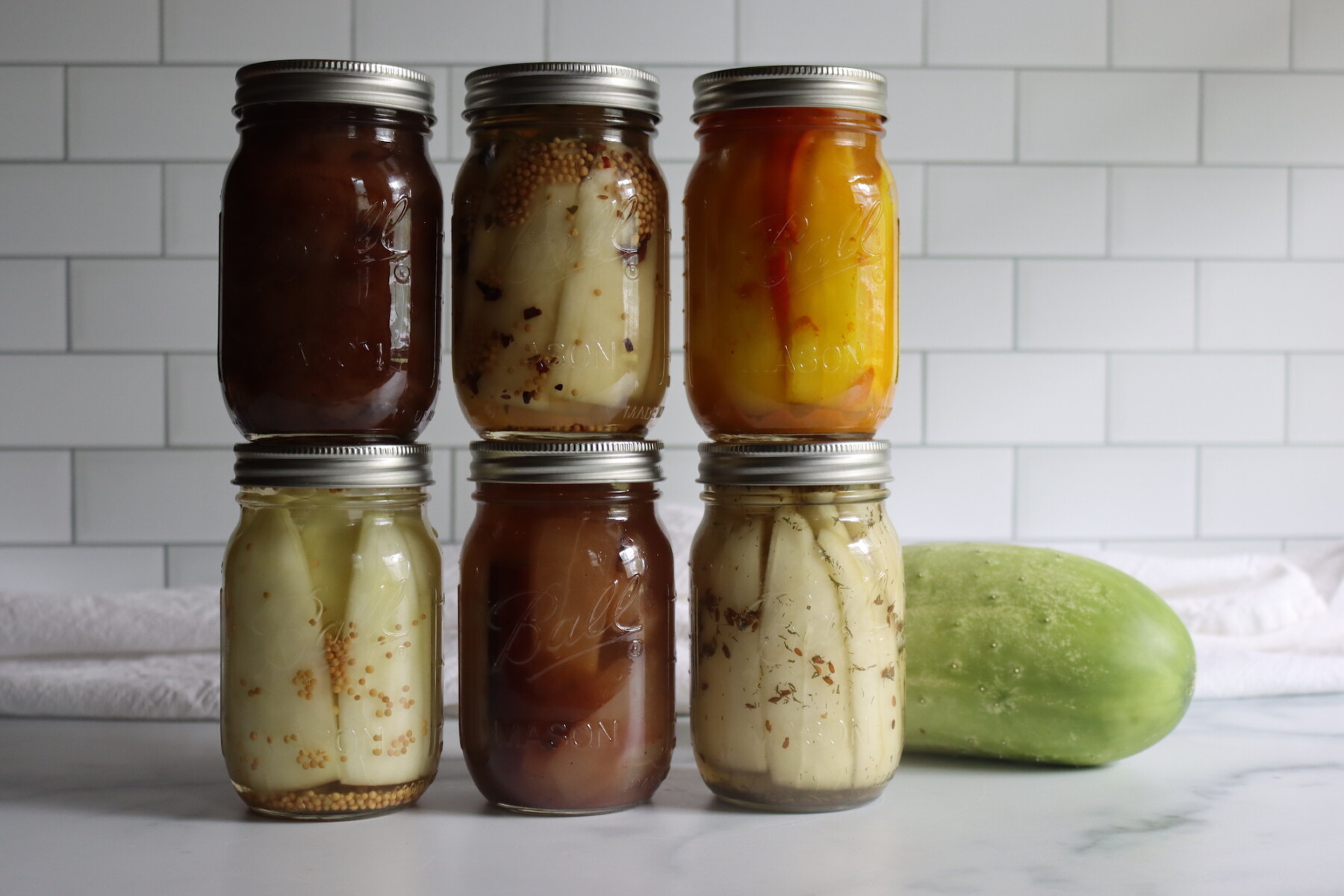
Don’t compost those yellow, overgrown cucumbers! Peel, seed, and cut them into planks for a whole category of European and New England pickles. Try Vermont maple tongue pickles, German mustard pickles, or Danish asier pickles for a delicious solution.
16. Cucumber Relish
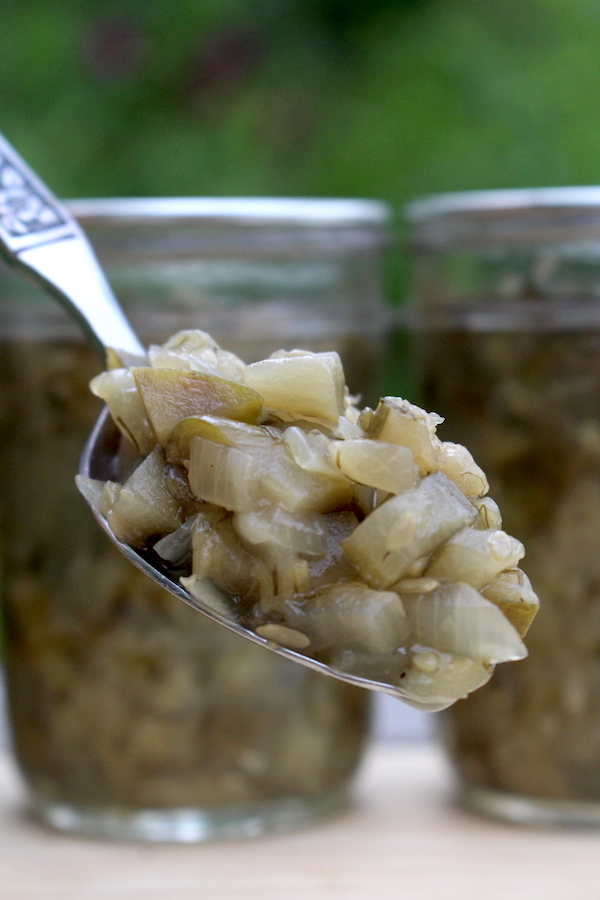
Relish is the perfect way to use awkward-shaped or oversized cucumbers. Since everything gets chopped, size and shape don’t matter. My version uses considerably less sugar than most recipes, keeping it savoury with a hint of sweetness.
17. Cucumber Infused Vinegar
Stack sliced cucumbers in a jar with peppercorns and garlic, cover with vinegar, and add a layer of thickly sliced onion on top. Infuse for at least six weeks in a cool dark spot before straining. The result is a crisp, summery vinegar perfect for salads.
18. Sweet Cucumber Preserves
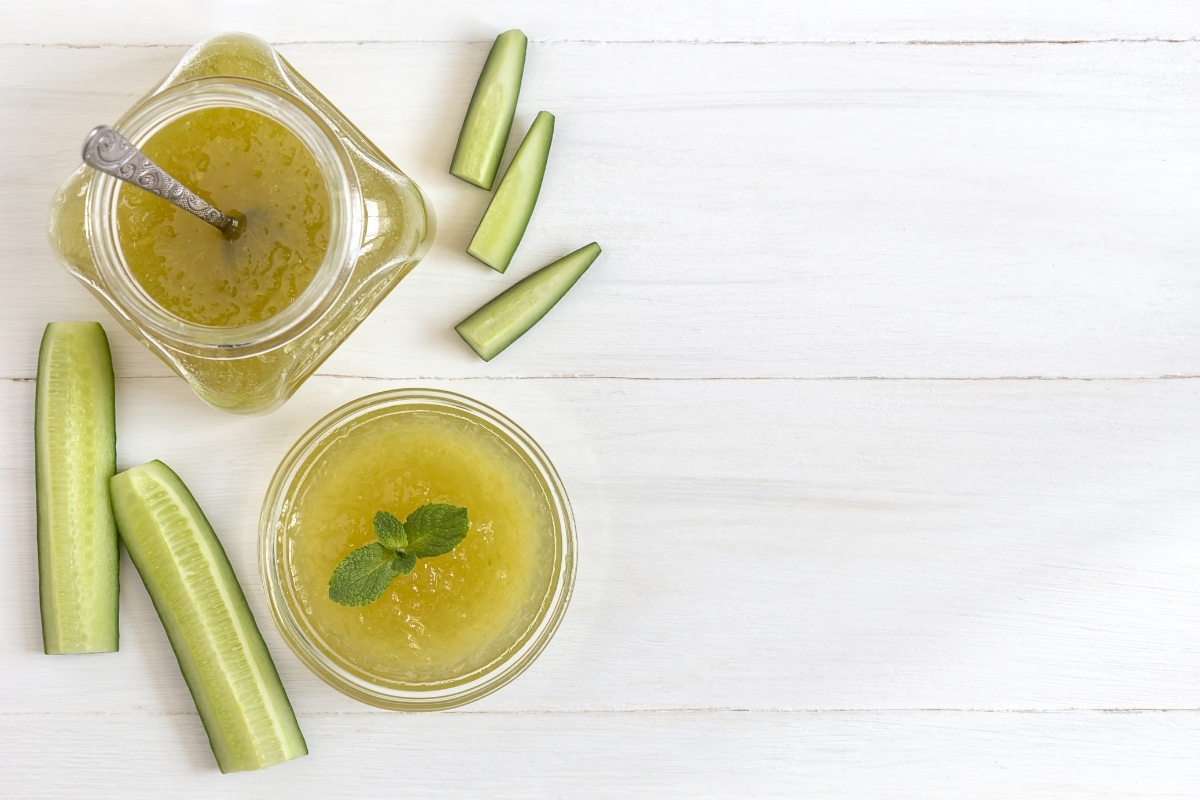
Cucumber mint jam is a surprising and delightful cheese-board accompaniment. Made with pectin, lemon juice, and fresh mint, it’s not a toast jam but pairs beautifully with cheeses and crackers. Treat it as a refrigerator preserve and use within a few weeks.
19. Cucumber Sorbet
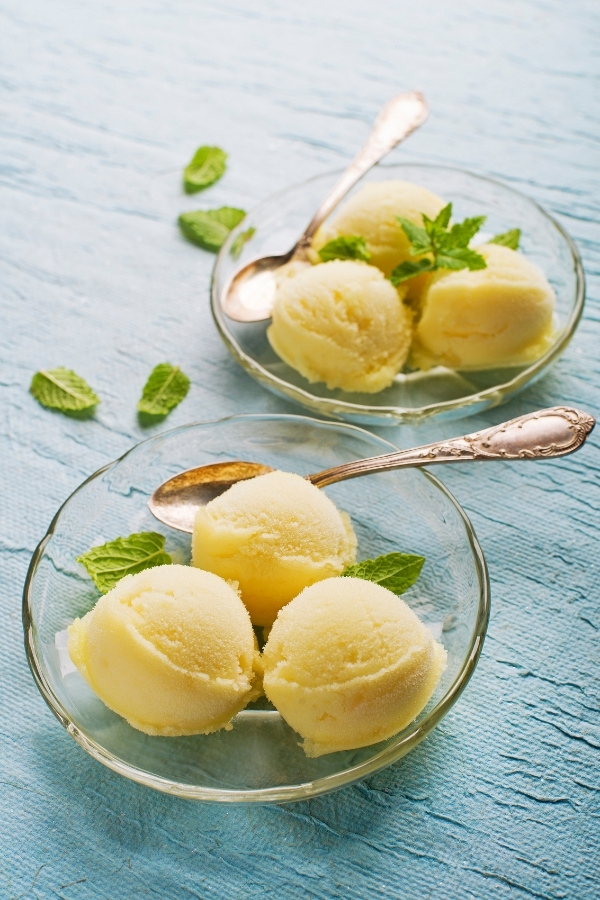
Peel and seed cucumbers, process them smooth with sugar and lemon juice, and churn in an ice cream maker. The sugar is essential for texture – don’t cut it back or you’ll get an ice block. A refreshing and unexpected use for slicing cucumbers.
20. Cucumber Infused Vodka

Peel cucumbers, put them in a jar, cover with vodka, and leave in the refrigerator for a week. Strain and use as the base for a martini that tastes like July. It’s also excellent in a Bloody Caesar.
21. Cucumber Kombucha
Add chopped cucumber and a little sugar to a bottle of finished plain kombucha for the second ferment. Cap tightly and leave at room temperature for two to three days. Mint, lime, and watermelon are excellent partners.
22. Cucumber Wine
Made with oranges, lemons, cucumbers, and sugar, cucumber wine finishes smooth and fruity rather than vegetal. Be sure to remove the pith from citrus to avoid bitterness. This is not a first project – start with small-batch wine first.
23. Cucumber Salsa
This fresh, chunky salsa with tomatoes, jalapeño, red onion, and herbs is a family favourite in August. It’s a refrigerator-only recipe – do not improvise vinegar into it for canning.
24. Cucumber Soap
Overgrown cucumbers can also find a second life in soap making. A lovely and refreshing way to use up the ones that got away from you.
Cucumber Preserving FAQs
1. How do you preserve cucumbers without pickling?
Freezing, dehydrating and freeze drying all preserve cucumbers without any vinegar. Freeze cucumber slices or puree for cold soups, smoothies and cucumber ice cubes. Dehydrate thin slices into seasoned cucumber chips, or grind those chips into cucumber powder. Freeze drying keeps the texture closest to fresh.
2. Can you freeze cucumbers?
Yes, though they thaw soft because cucumbers are roughly 95 percent water. Frozen cucumber works well anywhere the texture does not matter, including cold soups, smoothies, relish batches and cucumber ice cubes for drinks. Peel before freezing if you want them peeled.
3. How long do fresh cucumbers last in the refrigerator?
Fresh cucumbers hold good quality for about a week and can stretch to two weeks with careful storage. Store them in the middle of the fridge toward the front, not in the crisper drawer. Wrap each one loosely to keep condensation off the skin.
4. How do you keep home canned pickles crisp?
Start with small, firm cucumbers processed the same day they are picked. Trim the blossom end, as it carries an enzyme that softens pickles. Salt and drain larger cucumbers before packing. Calcium chloride (pickle crisp) also helps, as does adding a grape leaf to the jar.
5. Can you can cucumbers without pickling them?
No. Cucumbers are a low-acid vegetable, and there is no tested home canning process for plain cucumbers in water or brine. Safe home canning depends on adding vinegar in tested proportions, which is what every pickle and relish recipe does.
6. What can you do with overripe cucumbers?
Big yellow overgrown cucumbers should be peeled, seeded and cut into planks or chopped. They work well in relish, bread and butter pickles, and a whole family of European and New England heritage pickles, including German mustard pickles, Danish asier pickles and Vermont maple tongue pickles.