
Dream catchers are among the most recognizable and visually captivating handcrafted decor items, blending rich cultural history with endless creative potential. Originating within Native American traditions—specifically the Ojibwe (Chippewa) nation—these woven hoops were traditionally crafted with willow frames and sinew cord to filter dreams, catching bad dreams within the web while allowing peaceful dreams to slide down natural feathers to the sleeper.
Today, crafters and artisans worldwide reinterpret these symbolic pieces into custom wall art using an array of macrame cords, beads, botanical accents, crochet doilies, and natural woods. Whether you are seeking a minimalist bohemian bedroom accent or a vibrant statement wall hanging, explore these 7 creative dream catcher concepts and visual inspirations to elevate your next crafting project.

The Leafy Dream Catcher
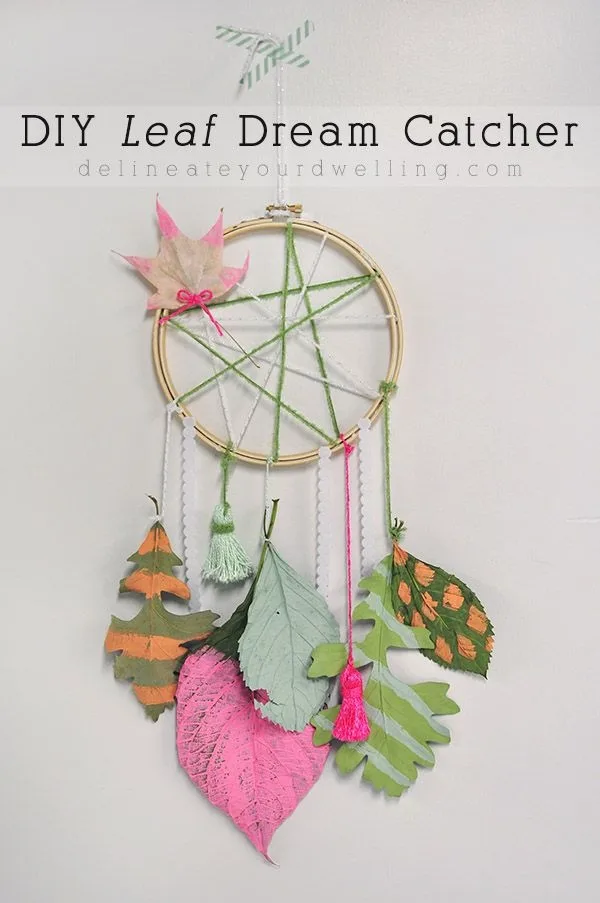
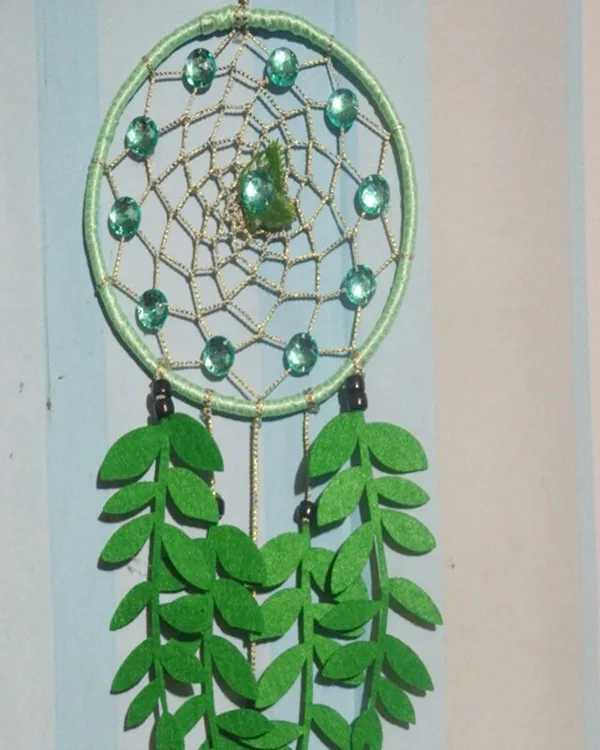
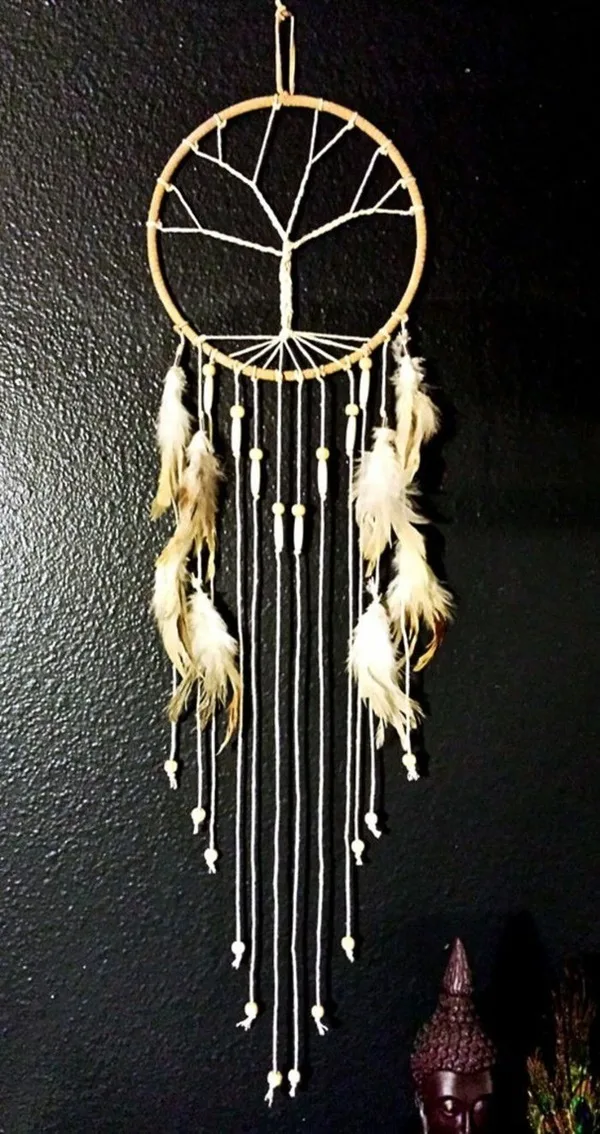
Integrating botanical leaf elements into your dream catcher design creates a grounded, nature-inspired focal point. You can incorporate pre-formed wooden or metallic leaf cutouts, macrame feather-leaves brushed out with cotton cord, or preserved foliage directly into the central web structure.
To secure a central leaf piece, anchor its outer points directly to the web strands as you knot inward from the outer hoop. Alternatively, hang a series of graduated macrame leaves along the trailing lower cords alongside natural wooden beads to frame the bottom edge.
Recommended For You



Crochet Dream Catcher
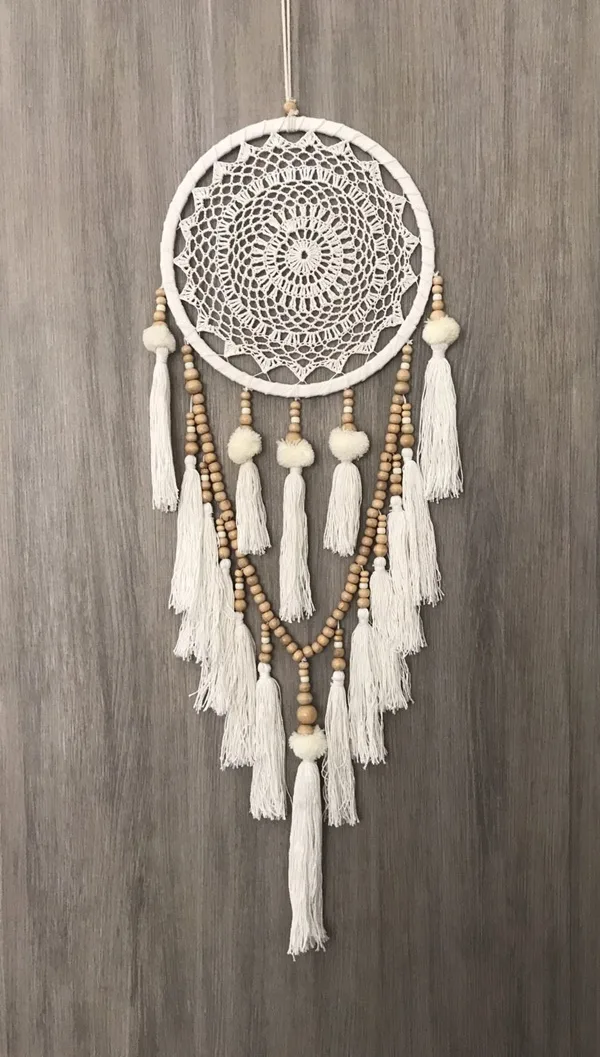
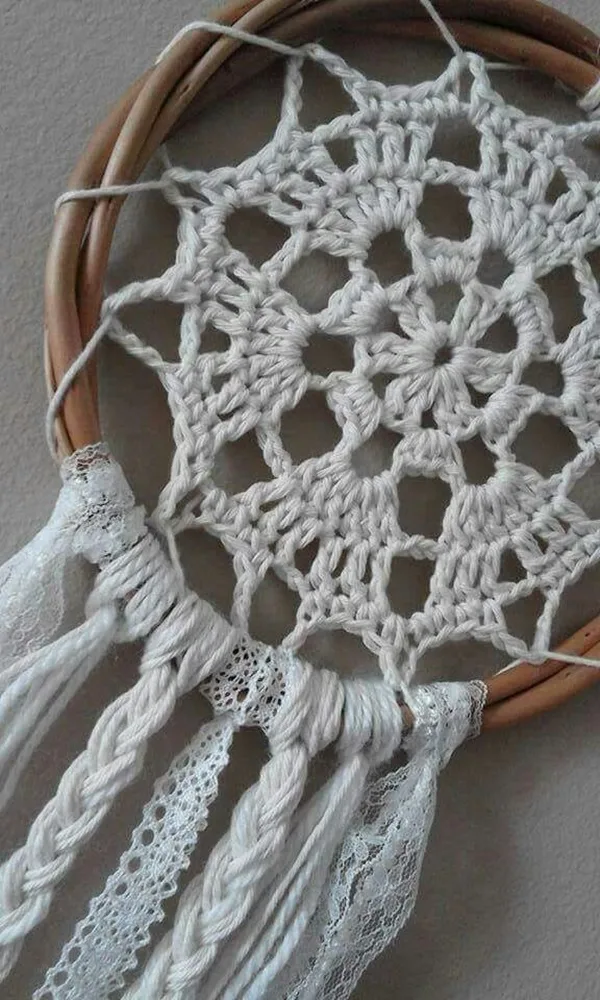
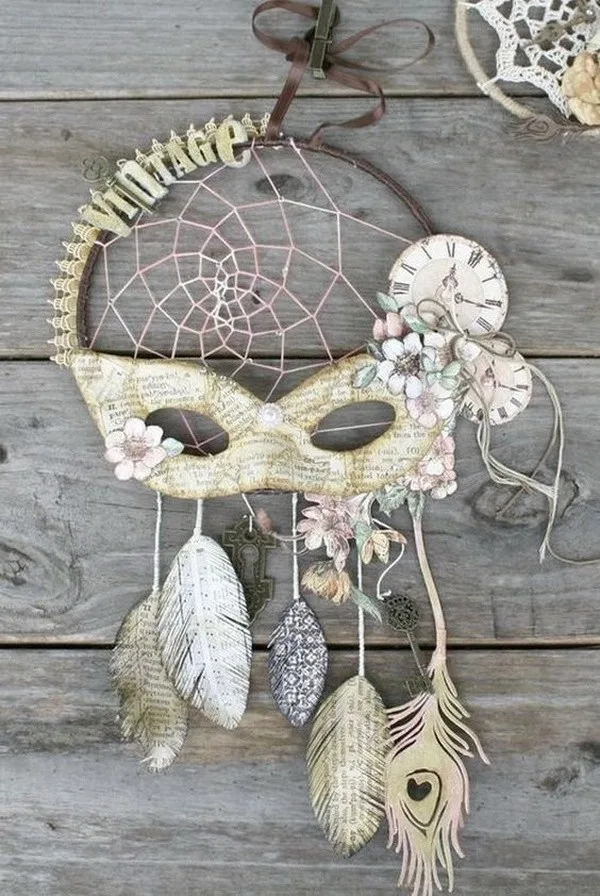
Upcycling vintage crochet doilies or stitching a custom lace mandala offers an elegant alternative to hand-weaving intricate internal webs. The geometric symmetry of lace patterns provides instant visual texture with minimal assembly time.
Wrap a sturdy metal or wooden embroidery hoop in matching neutral cotton yarn or satin ribbon. Position your crochet doily in the center and stretch it outward using evenly spaced whip stitches or small jump rings around the frame’s circumference. Finish the piece with flowing lace ribbons, yarn tassels, and soft white feathers along the bottom.
A Twig of Love
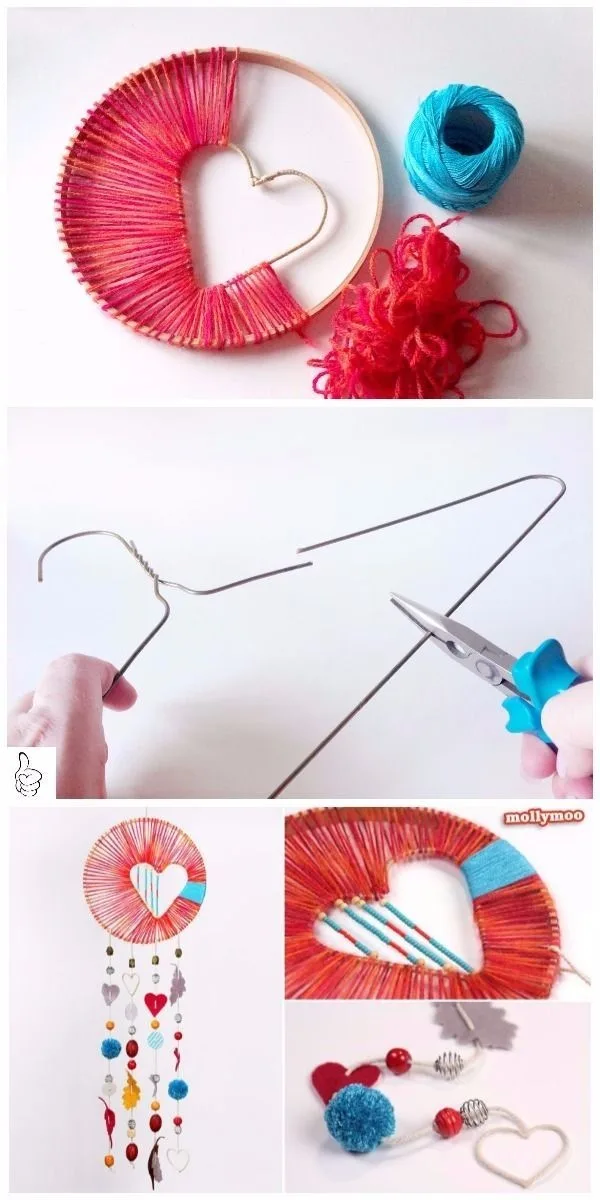
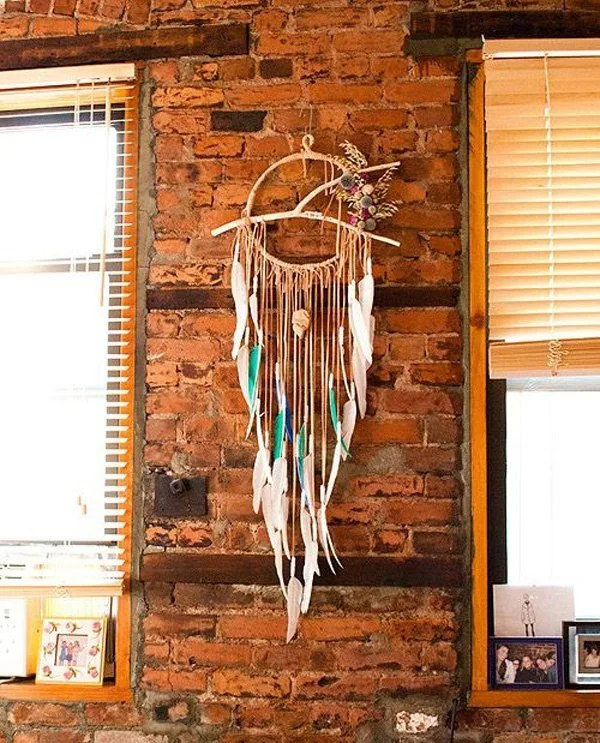
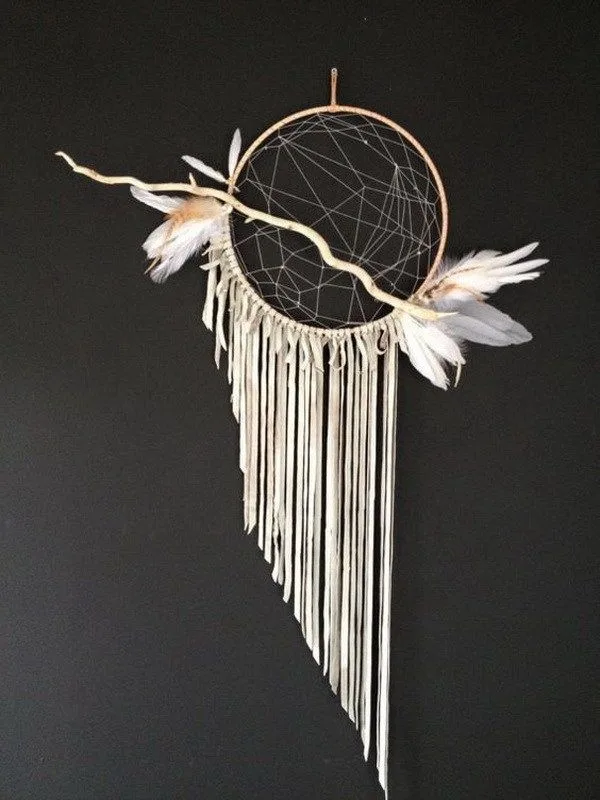
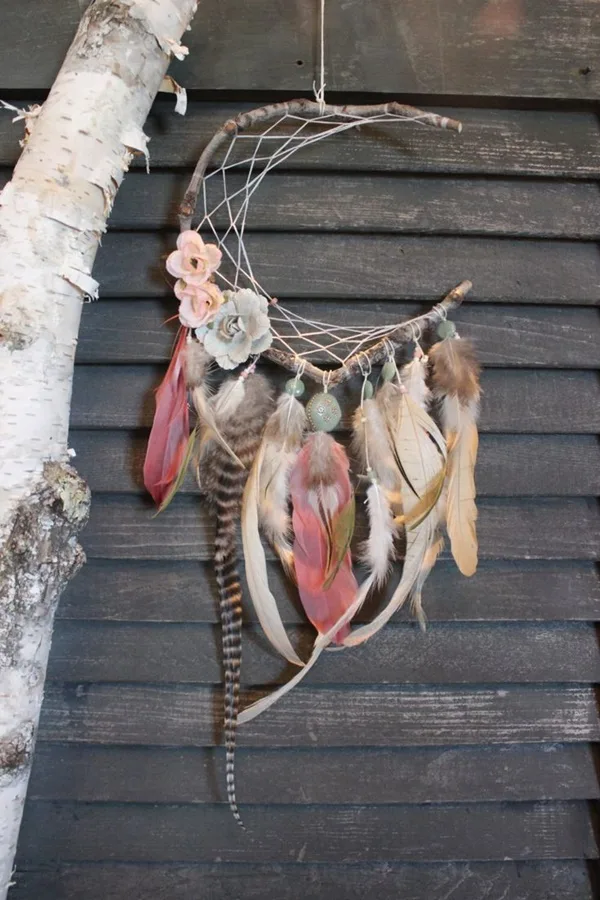
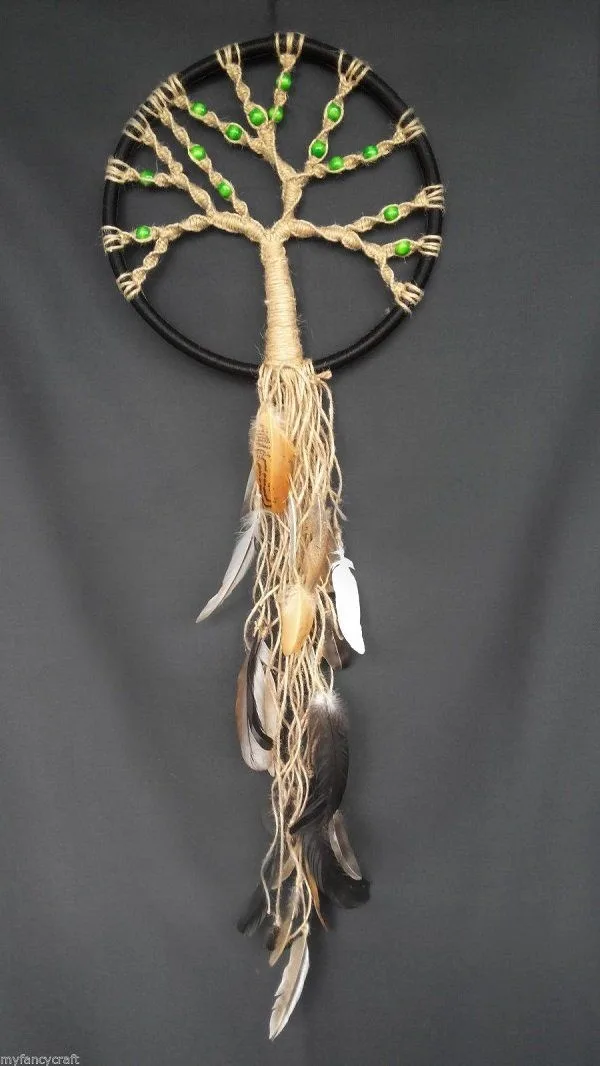
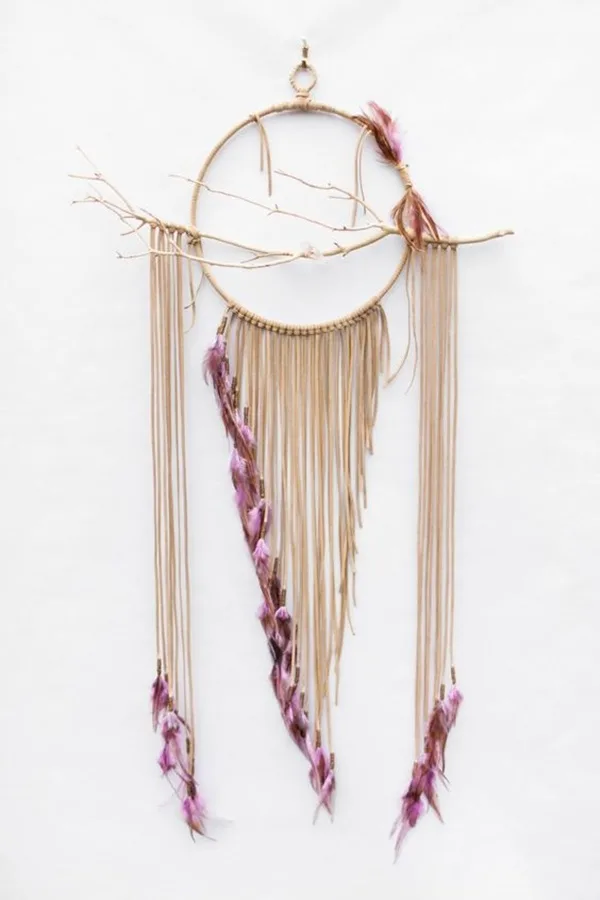
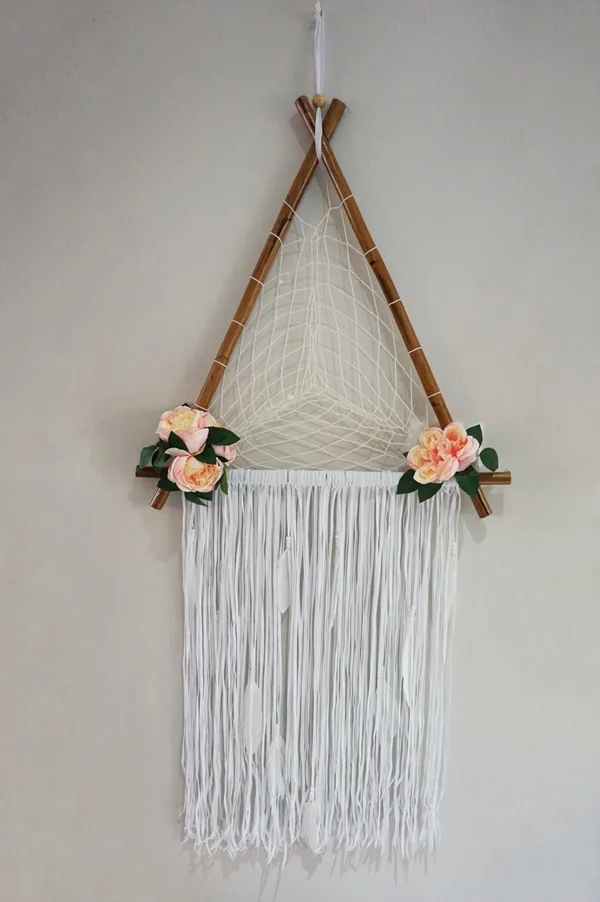
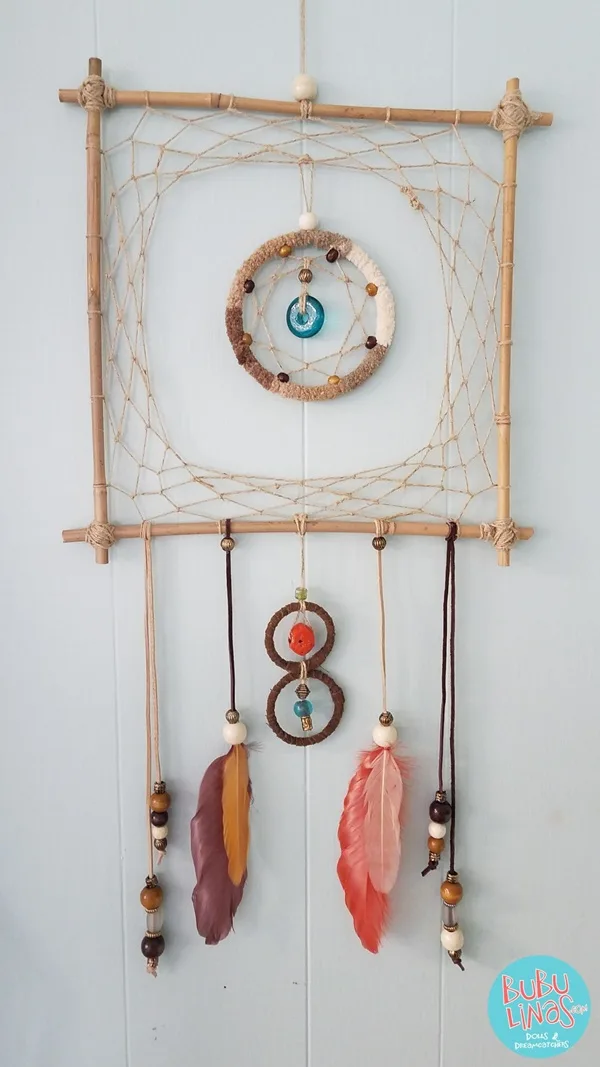
Replacing standard circular hoops with natural, foraged wood branches gives your dream catcher an earthy, organic silhouette. Flexible branches such as birch, willow, or grapevine can be curved into teardrops or natural rings, while straight driftwood sticks can act as structural crossbeams.
Fasten a horizontal supporting twig beneath the primary hoop using secure clove hitch knots on both ends. This twig serves as an anchor bar from which cascading ribbons, crystal chips, metal charms, and feathers can drape cleanly without clustering in the center.
The Boho Dream Catcher
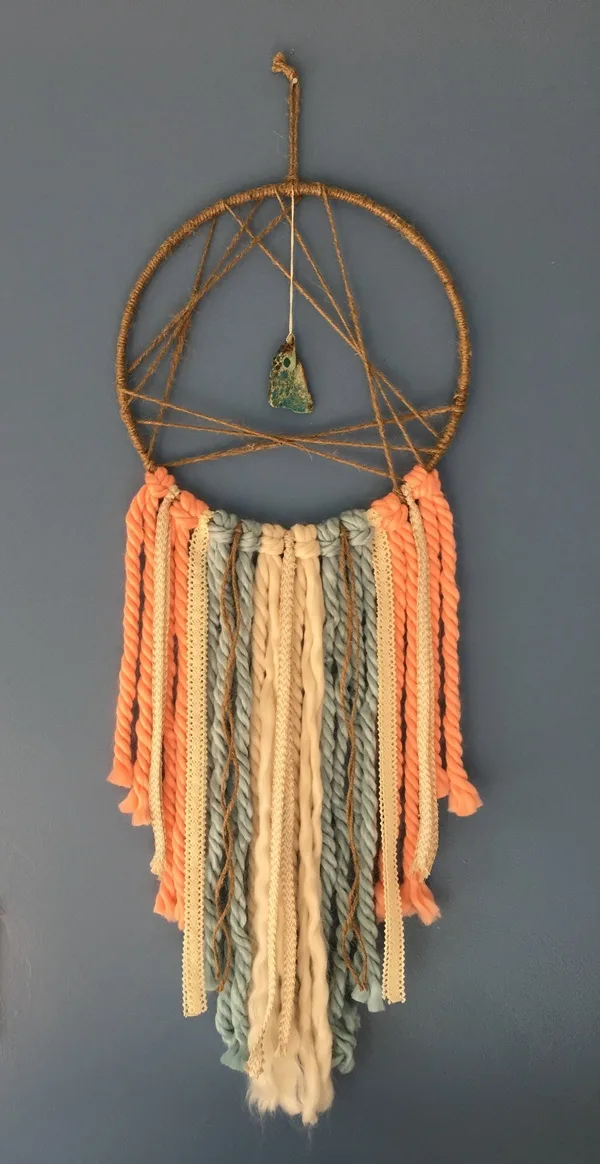
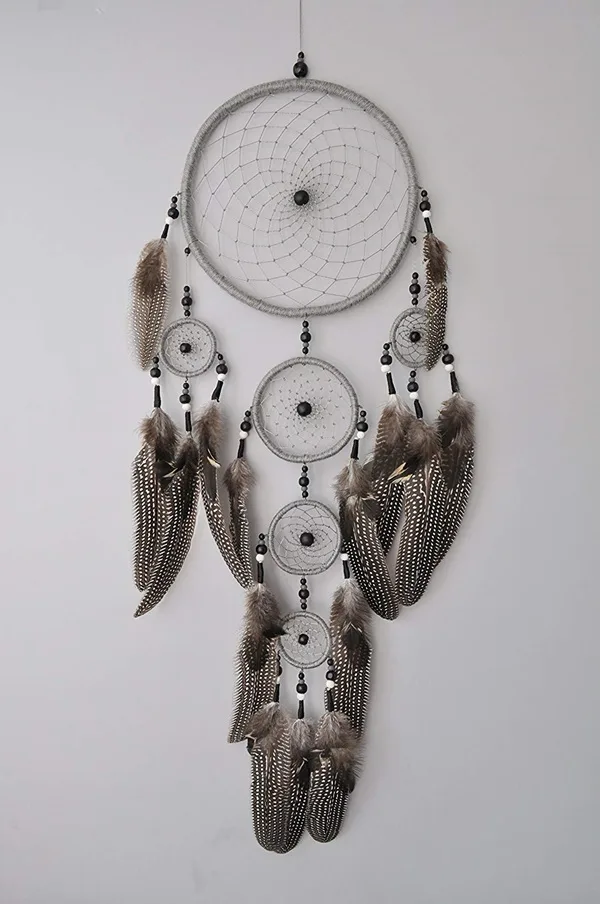
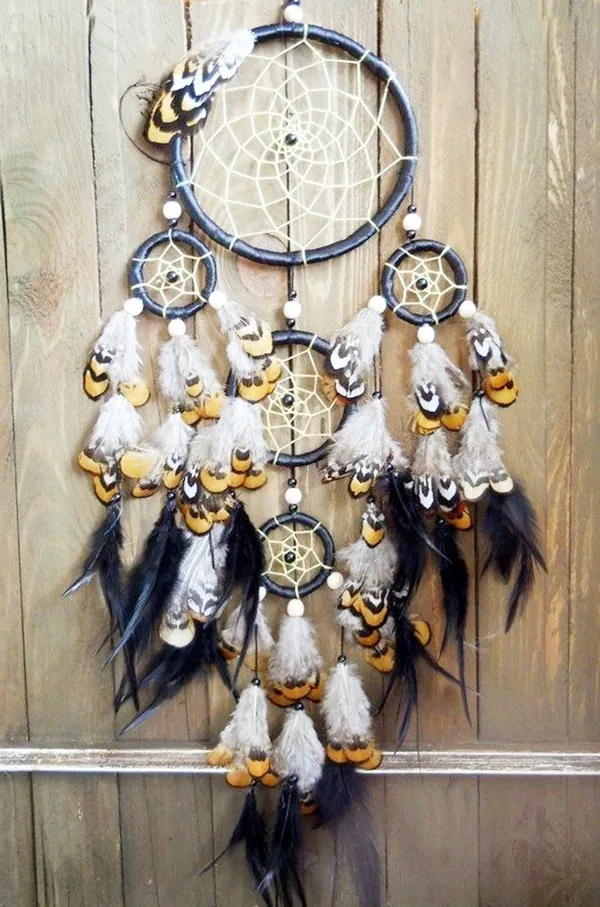
Bohemian-style dream catchers embrace lush textural variety by blending thick cotton macrame cord, neutral jute rope, unfinished wooden beads, and raw textile strips. Rather than rigid symmetry, boho designs emphasize relaxed layers and fluid movement.
Wrap the exterior frame with natural twisted cotton rope to add thickness. Incorporate macrame square knots, half-hitches, and long fringed yarn tails that extend well past the base of the hoop to create a striking vertical statement piece for bedroom walls.
Braid the Strings
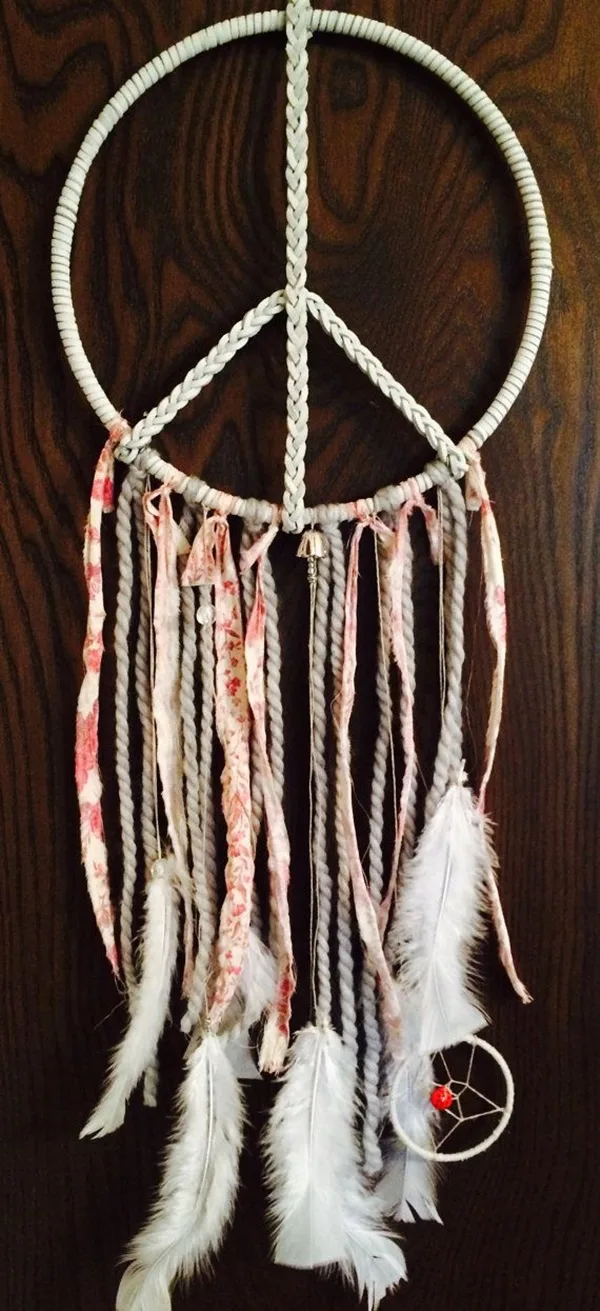
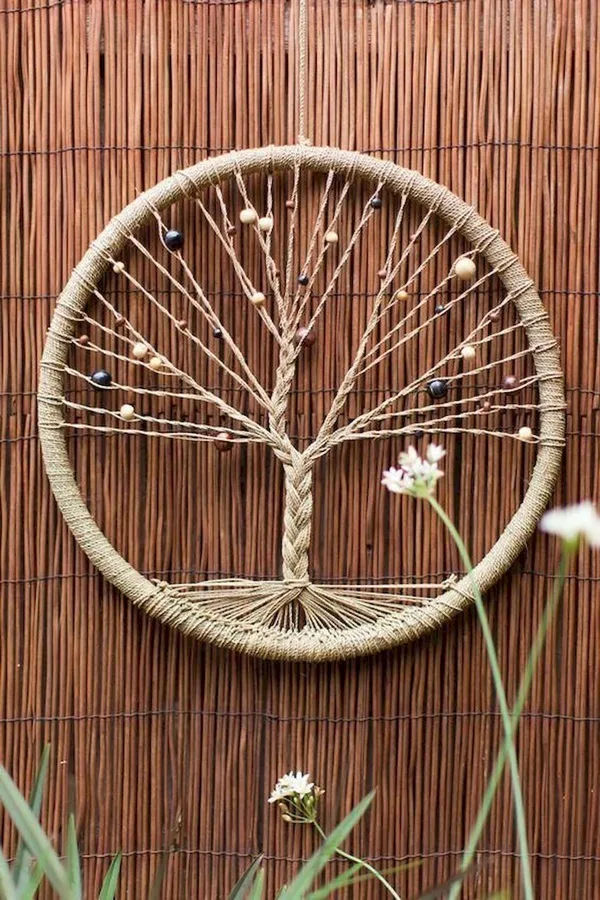
Introducing braided elements adds substantial visual weight and dimension compared to single-thread strands. Braiding works exceptionally well both around the hoop frame and within the hanging lower fringe.
Combine multiple contrasting yarn colors or string textures into tight three-strand or fishtail braids. Secure the ends of each braid with discreet whip knots or metallic crimps to prevent unraveling. Interspersing braids between loose fringe strands provides structural contrast and keeps trailing cords from tangling.
Peacock Dream Catcher
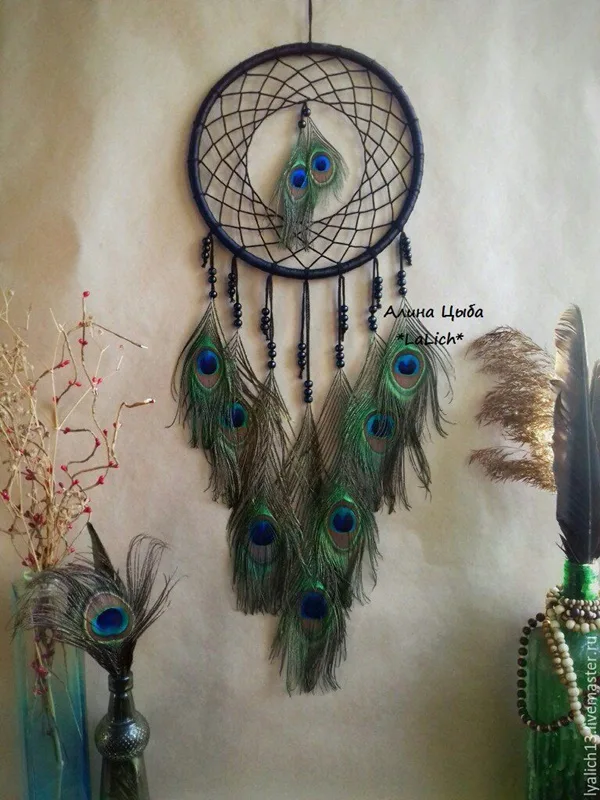
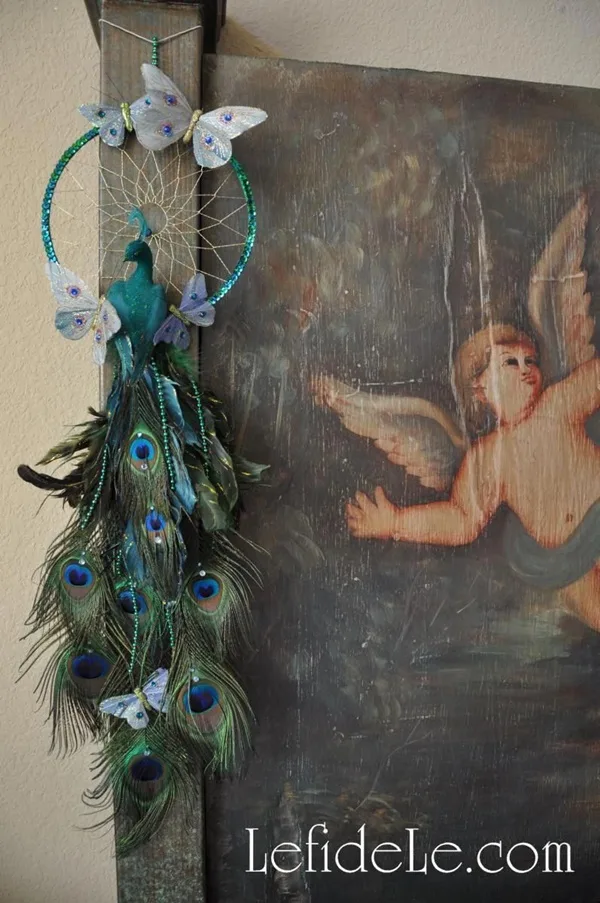
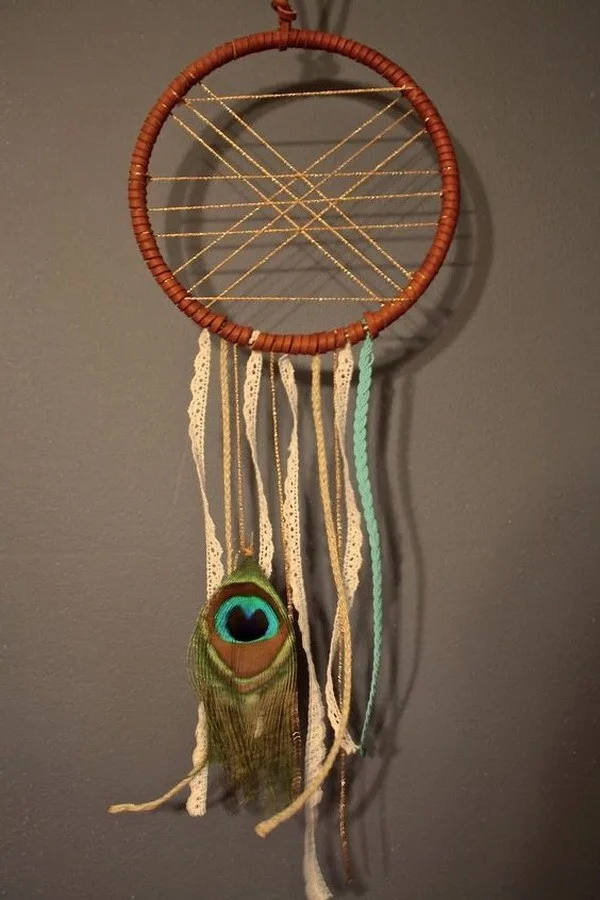
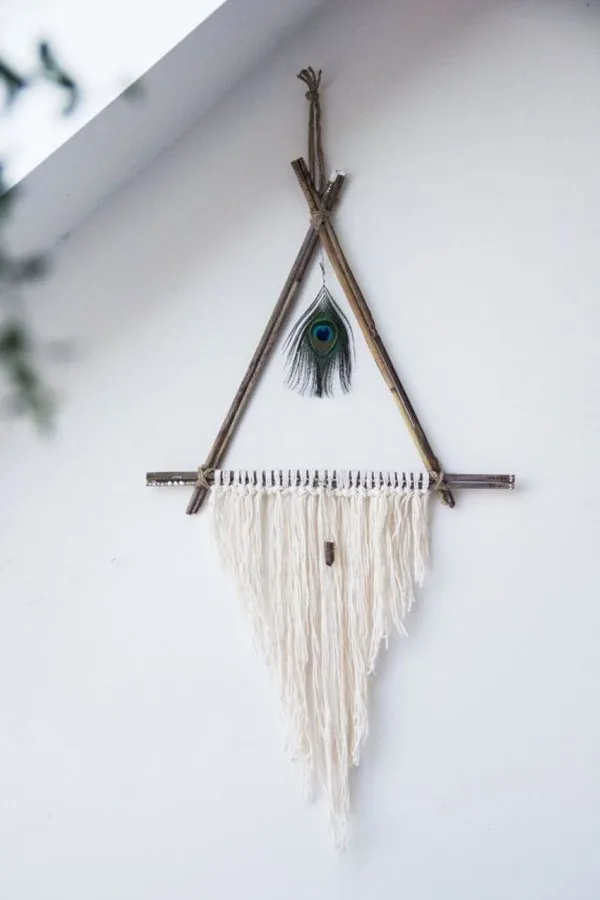
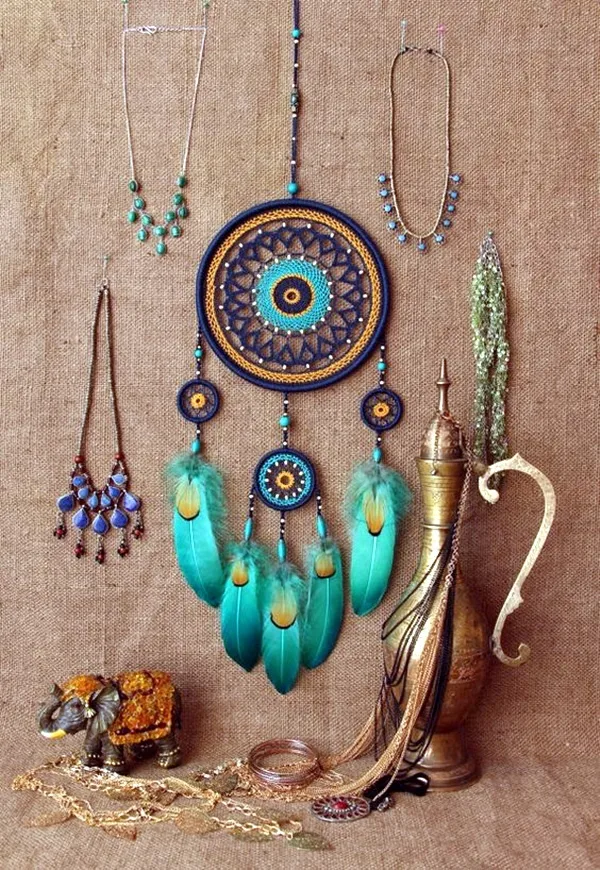
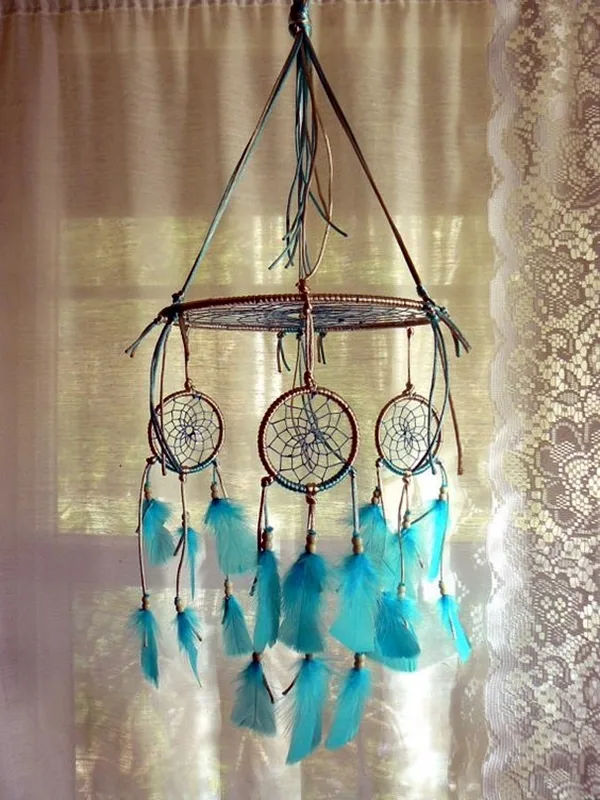
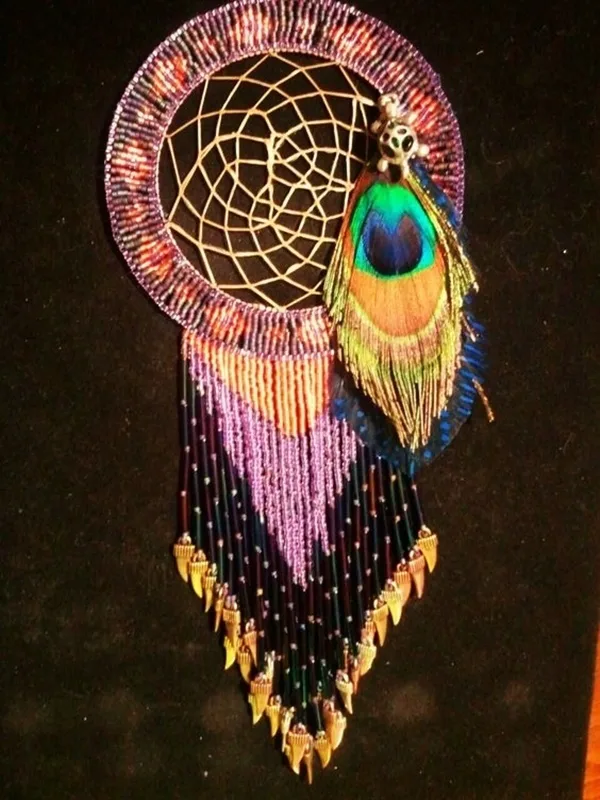
Peacock feathers introduce striking iridescent hues of emerald, royal blue, and turquoise into your decor. Because peacock plumes feature distinctive eye patterns, they serve as dramatic focal points when suspended from dream catcher cords.
Pair deep green or navy wrapped hoops with brass accents, lapis-toned beads, and carefully trimmed peacock sword or eye feathers. Securing feather quills inside metallic crimp ends ensures clean alignment and protects delicate barbs from damage over time.
The Crescent Shaped Design
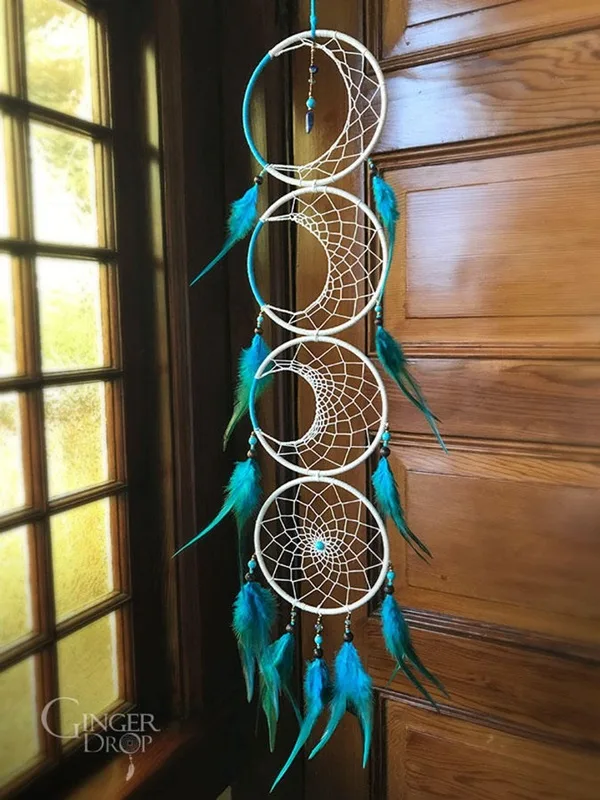
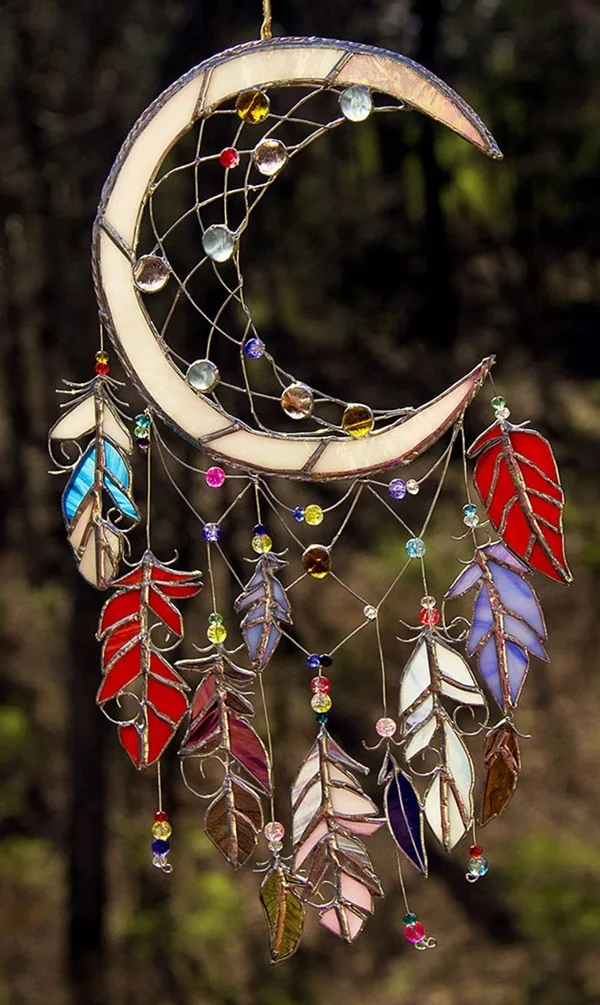
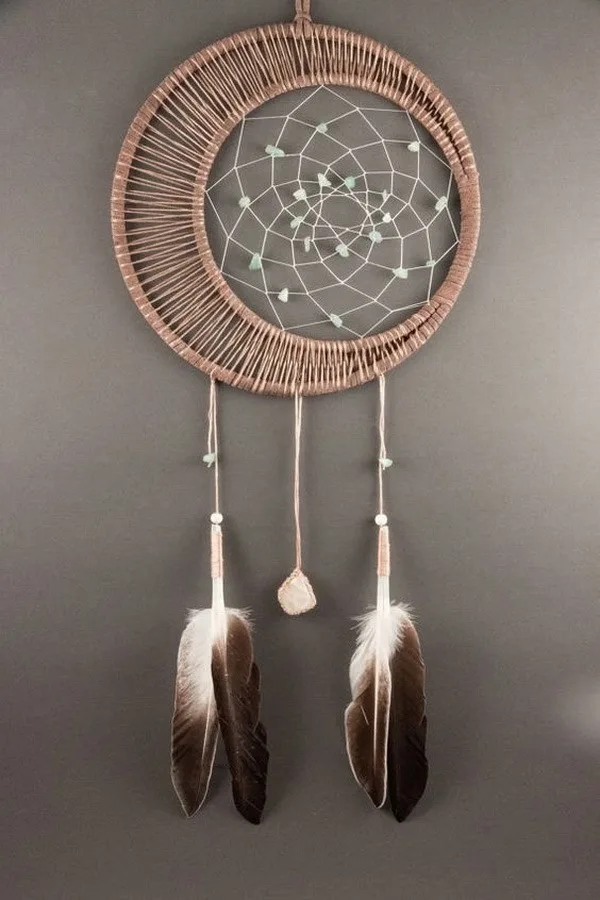
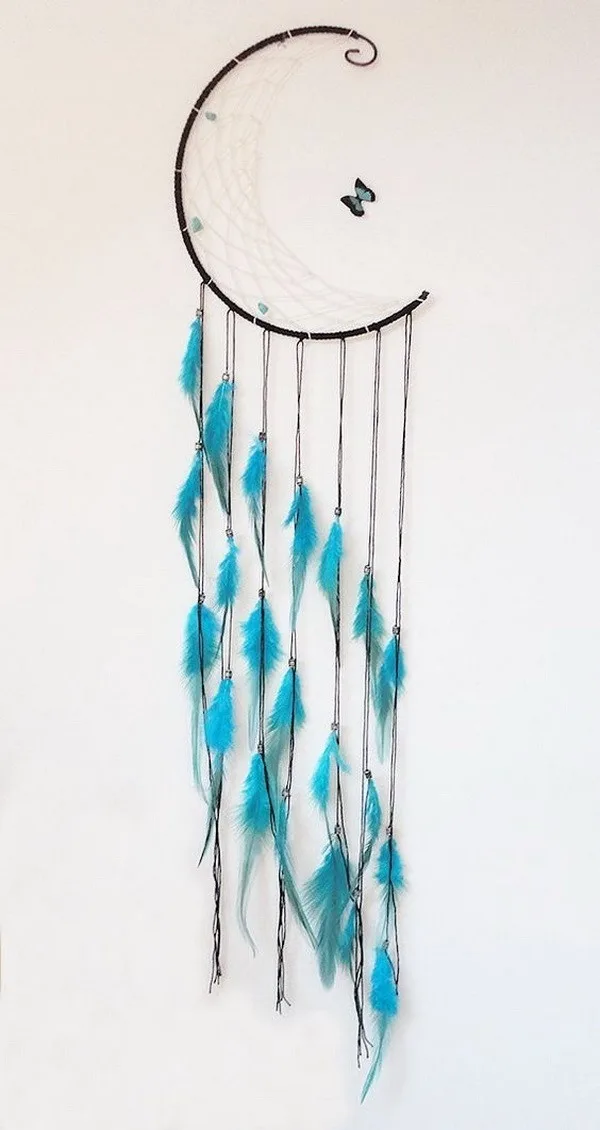
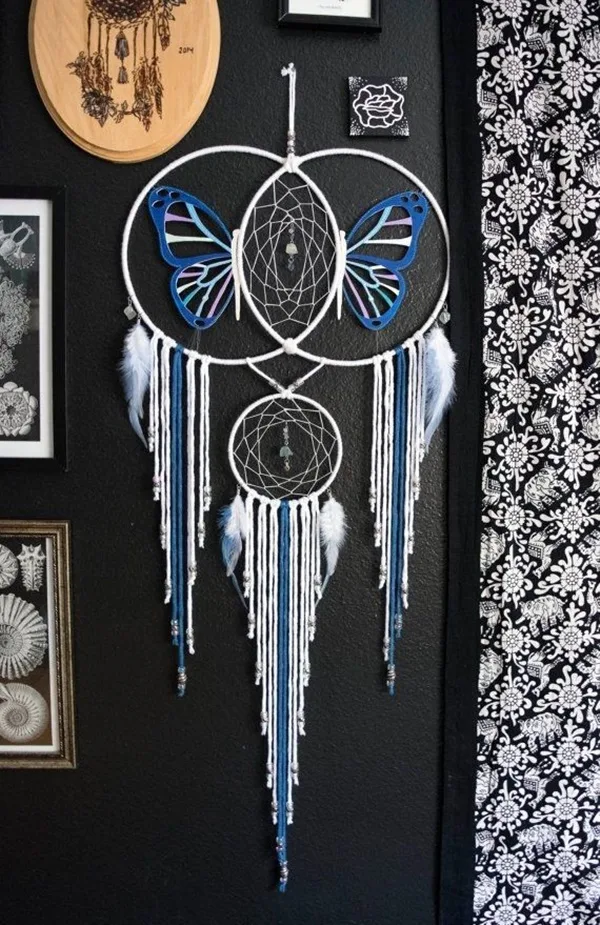
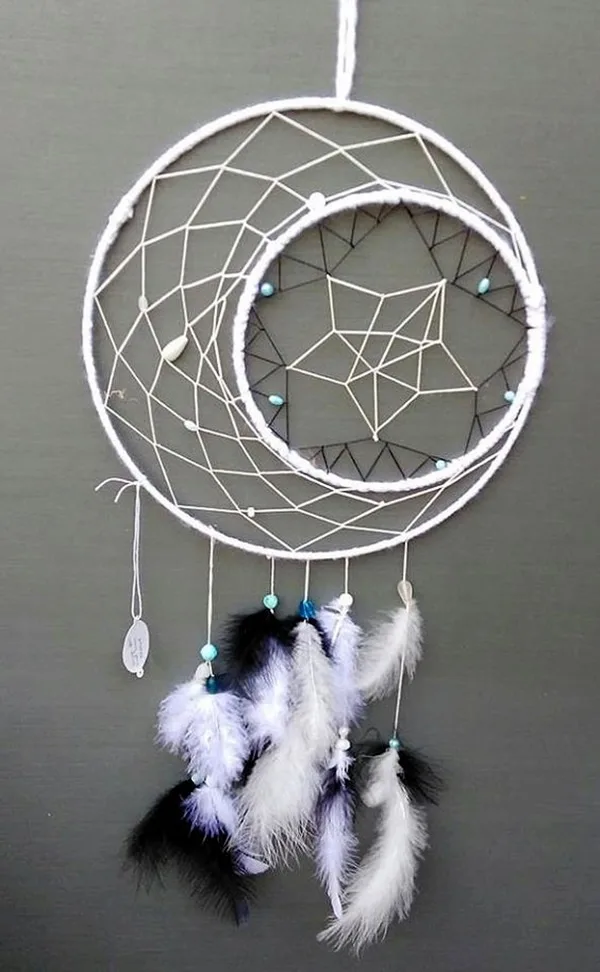
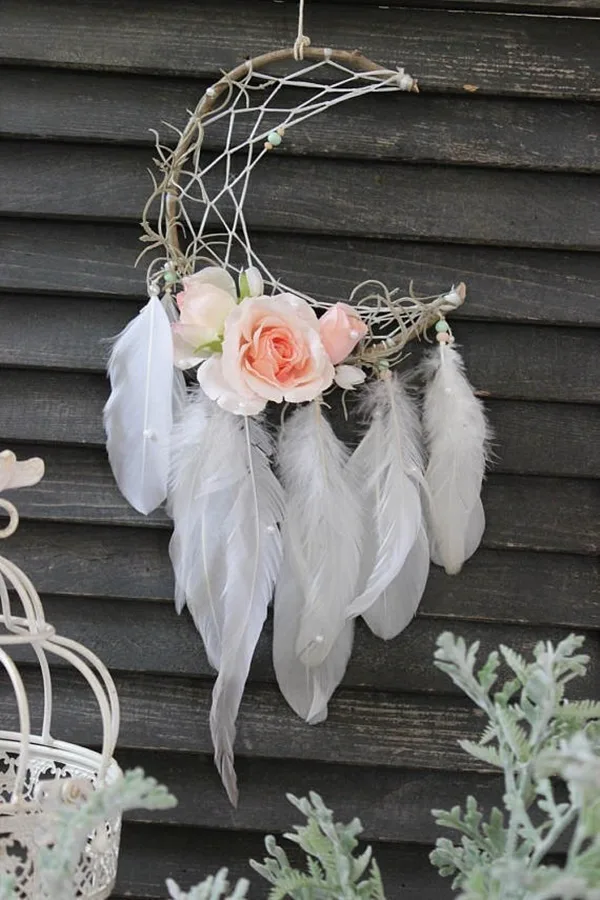
Moving away from concentric circular webs, a crescent moon configuration adds celestial elegance to your wall arrangement. The asymmetrical open space inside the hoop creates a modern, sculptural look.
Use an inner partial hoop or weave threads exclusively along one half of a circular frame to form the crescent silhouette. High-contrast combinations—such as a matte black frame woven with bright white or silver thread—highlight the sharp curve of the moon, which can be accented with dangling crystal pendants or metallic star charms.

Frequently Asked Questions
What materials are best for a beginner dream catcher?
Wooden embroidery hoops or metal craft rings paired with waxed cotton cord, faux suede lacing, or macrame yarn work best for beginners because they provide steady tension and do not slip easily during weaving.
How do you maintain proper thread tension when weaving a dream catcher web?
Keep steady, moderate pull as you create each half-hitch loop along the frame. Pulling too tightly warps the outer hoop, while leaving the cord too loose causes the inner geometric web to sag.
What is the traditional purpose and symbolism of a dream catcher?
In Native American Ojibwe tradition, dream catchers were hung above beds or cradles to protect sleepers from nightmares. Good dreams navigate through the web and glide down the feathers, while bad dreams are caught in the netting and evaporate with morning light.
How can you attach feathers securely without them falling off?
Slide the feather quill into a tight bead hole with a drop of fabric glue or craft adhesive, or clamp the quill inside a metallic jewelry ribbon crimp before tying it to the hanging strand.
Where is the best place to hang a dream catcher at home?
Dream catchers are traditionally placed near a bedroom window, over a bedpost, or on a main wall where morning sunlight can directly reach them, though they also make popular decorative accents in living rooms and reading nooks.