Long hair offers versatility, but over time, accumulated length can weigh down your strands, leading to flat roots, reduced movement, and split ends. Updating your haircut allows you to preserve your preferred length while incorporating strategic layers, face-framing angles, or fringe to restore shape, body, and natural bounce.
Whether you have fine, dense, straight, or curly hair, modern cutting techniques like internal debulking and textured perimeters remove heaviness without sacrificing inches. Explore these 19 haircut ideas designed to refresh long hair while maintaining volume, movement, and effortless daily styling.
1. The Butterfly Cut
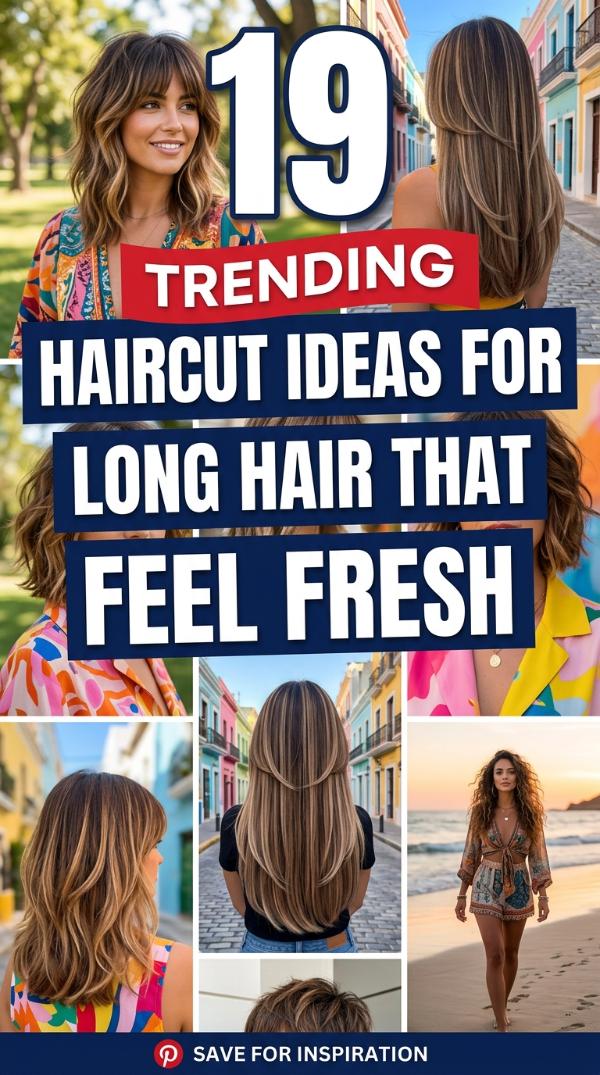
The butterfly cut combines short, voluminous crown layers with cascading longer lengths below the shoulders. This layered architecture creates the visual illusion of a shorter, bouncy style around the face while keeping the back length fully intact. When styled with a large round brush or hot rollers, the upper layers flip outward with exceptional volume and movement.
2. Ghost Layers
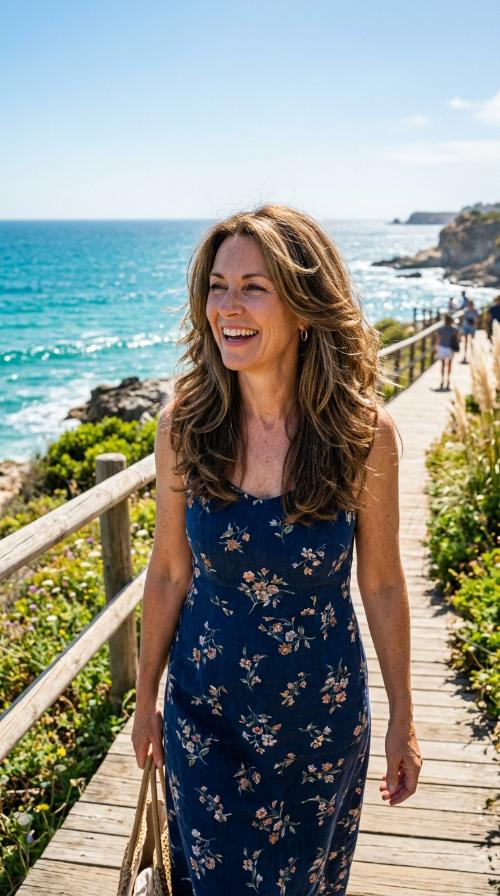
Ghost layering is a specialized texturizing technique where shorter, weight-removing layers are cut beneath the top canopy of hair. Because the outermost surface layer remains intact and uniform, the layers remain invisible while creating internal lift, natural separation, and fluid swing throughout the mid-lengths.
Recommended For You
3. Classic Curtain Bangs
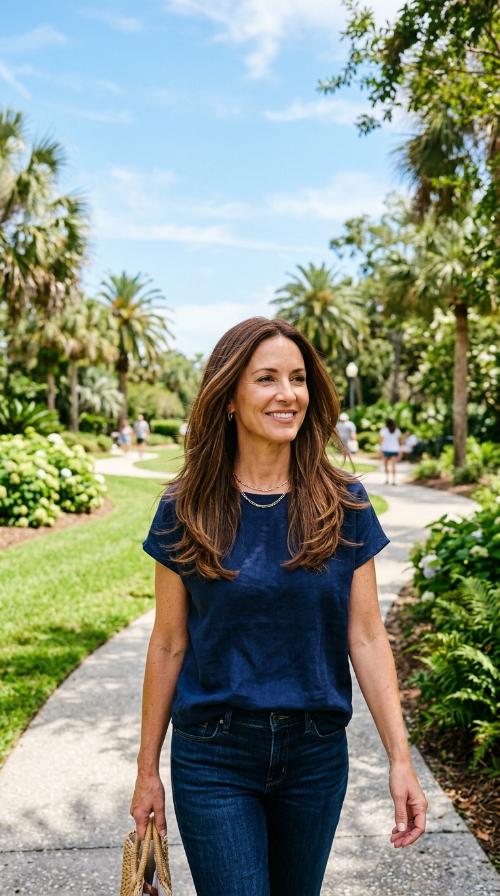
Curtain bangs feature a center-parted fringe that arches shorter in the middle and lengthens outward toward the cheekbones and jawline. They blend seamlessly into long hair, providing soft framing that flatters round, oval, and heart-shaped faces while requiring minimal upkeep compared to blunt bangs.
4. The U-Shape Cut
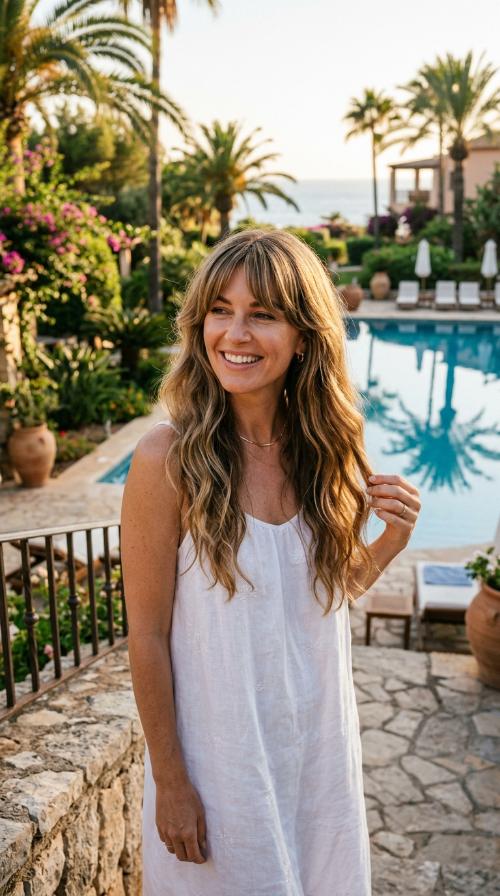
A U-shaped perimeter creates a curved, gradual transition where the side sections are softly contoured while the center back retains maximum length. This perimeter shape removes excess bulk around the shoulders and front collarbones, allowing naturally wavy and curly textures to fall with balanced definition.
5. Long Internal Layers
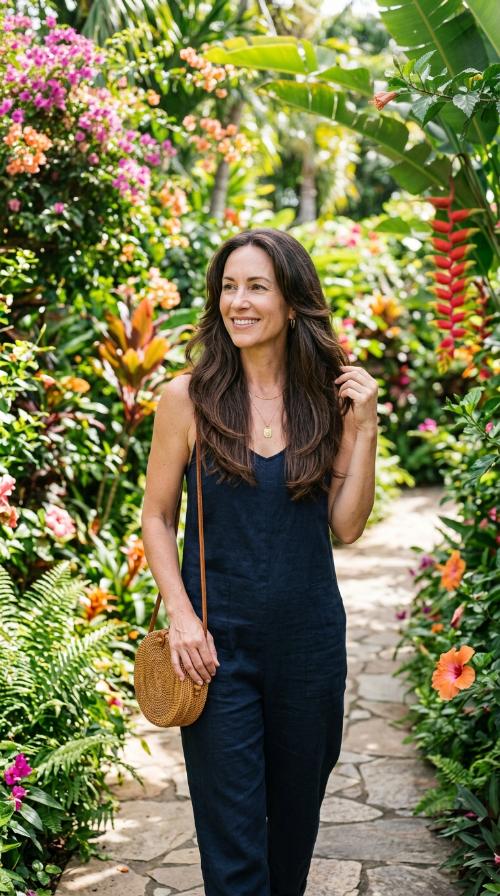
Long internal layers are sliced through the interior sections of dense hair to reduce overall weight without creating visible step lines or a choppy exterior. This technique accelerates blow-drying times, prevents heavy hair from collapsing at the crown, and maintains a sleek, fluid drape.
6. Bottleneck Bangs
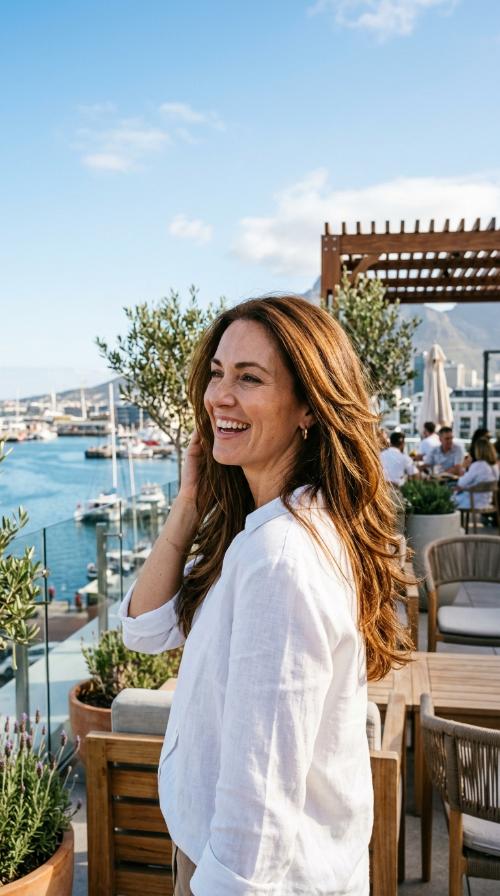
Bottleneck bangs narrow near the bridge of the nose, curve slightly past the brow line, and flare wider around the cheekbones, mimicking the neck of a bottle. This fringe style softens wider jawlines, frames the eyes prominently, and transitions effortlessly into surrounding long layers as it grows out.
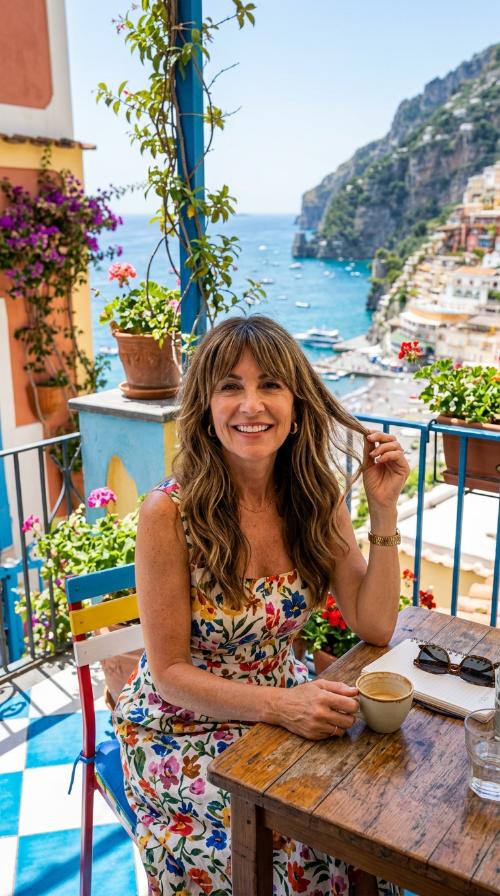
7. The V-Shape Cut
The V-cut features dramatic, steep diagonal angles that taper sharply toward a single central point down the back. This cut removes significant bulk from the sides and front, creating a striking cascading effect that highlights clean lines on straight, dense hair types.
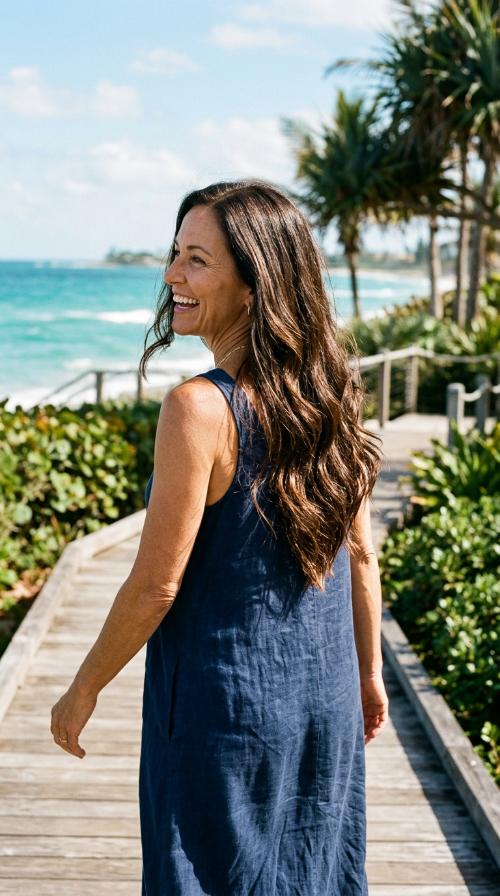
8. Blunt Ends with Face Framing
This hybrid style pairs a crisp, horizontal baseline at the back with light, tapered layers around the face. The blunt perimeter maximizes the appearance of thickness and density on fine or medium hair, while the angled front pieces prevent the overall silhouette from feeling heavy or rigid.
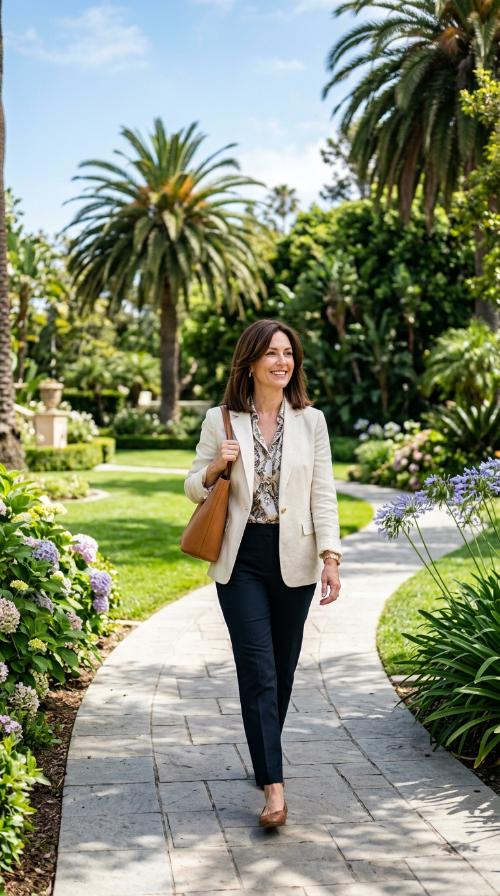
9. The Long Shag
The long shag features razor-cut layers throughout the crown and mid-lengths, accompanied by choppy perimeter ends and textured fringe. It accentuates natural waves and curls, allowing for effortless wash-and-wear styling with texturizing sea salt sprays or lightweight styling creams.
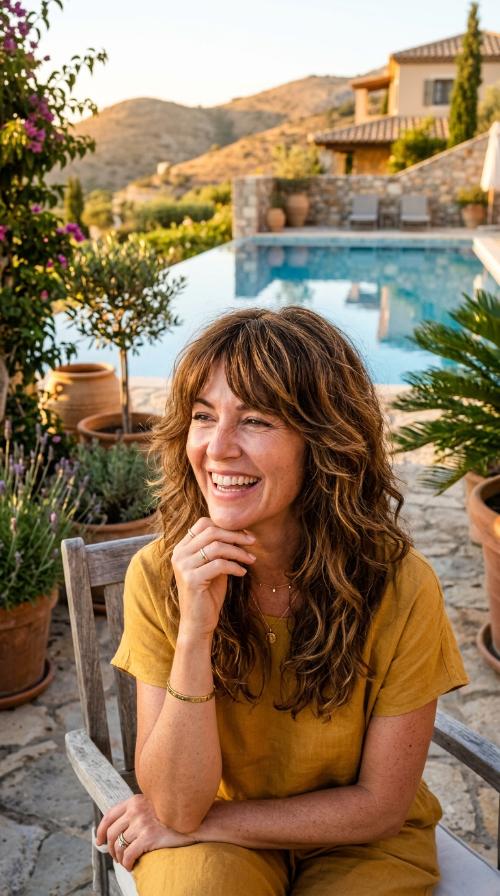
10. Wispy Bangs
Wispy bangs consist of lightweight, piecey strands that allow the forehead to peek through. Because they do not require a thick, dense section of hair, they offer a low-commitment option to soften facial features and add dimension without overwhelming fine or delicate hair textures.
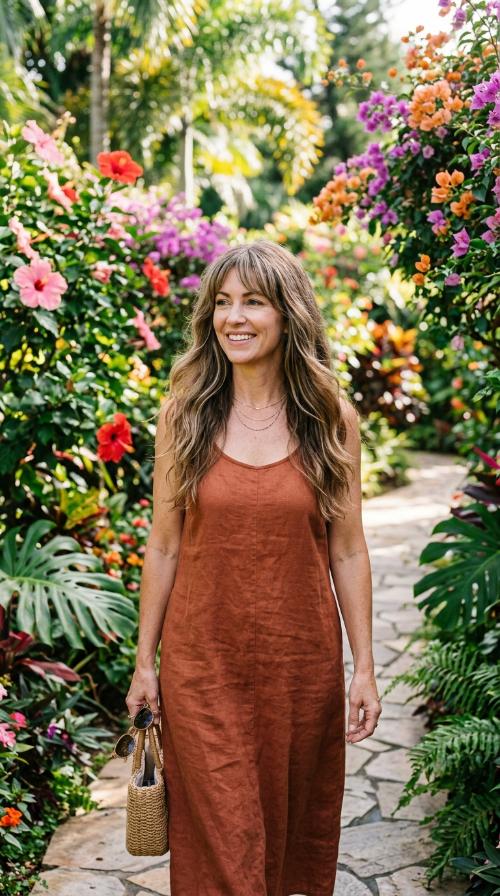
11. Feathered 70s Layers
Inspired by retro blowout silhouettes, feathered layers are point-cut starting at the jawline and cascading downward, designed to sweep away from the face. When blow-dried with round ceramic brushes, the feathered tips catch air and build buoyant, dynamic movement.
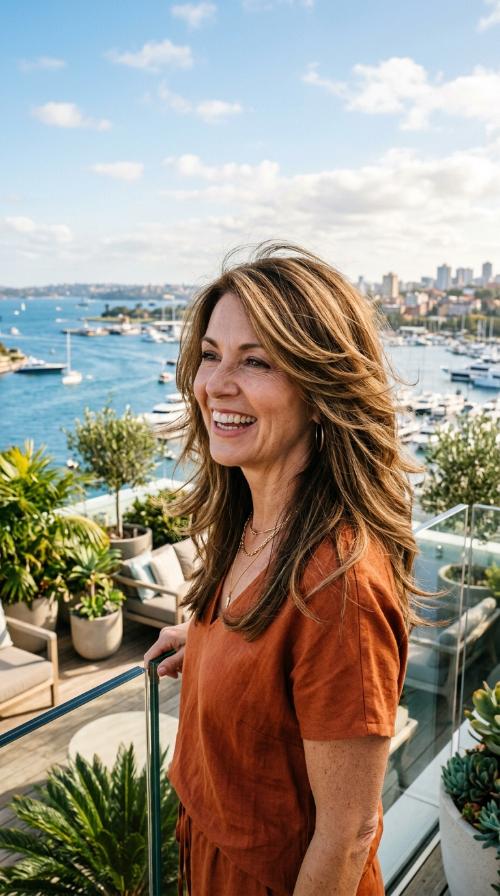
12. Tapered Ends
Tapering utilizes slide-cutting or razor techniques across the bottom three to four inches of length to create slim, soft ends. This removes bottom-heavy bulk and prevents coarse or thick hair from expanding into an unflattering triangle or bell shape around the torso.

13. The 90s Supermodel Blowout
This classic long haircut relies on long, blended layers throughout the perimeter and crown to optimize root lift and curl retention. It is specifically structured for voluminous styling with large-barrel round brushes or hot rollers, creating soft, sweeping curves throughout the hair.
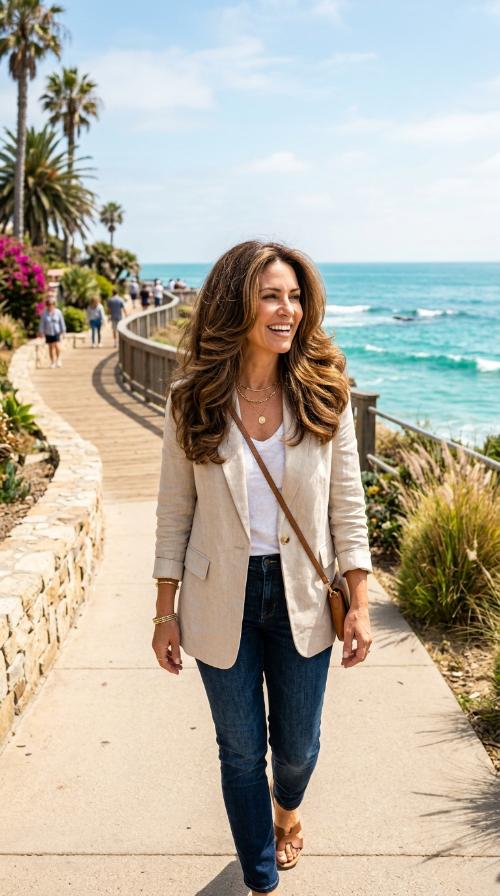
14. Choppy Face-Framing Pieces
Choppy face framing incorporates distinct, disconnected layers cut around the cheekbones and chin. This sharp, deliberate edge breaks up uniform lengths and adds modern contrast, drawing visual focus directly to the jawline and collarbones.
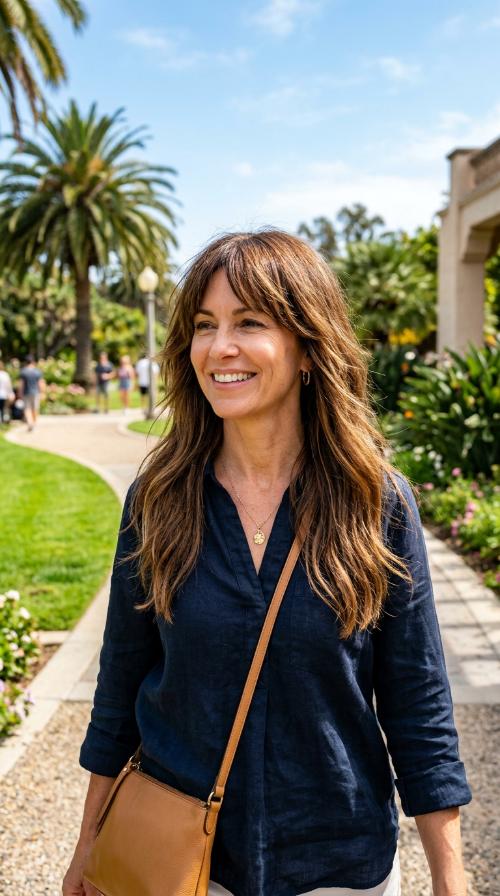
15. Invisible Face Framing
Invisible face framing involves micro-texturizing the outermost perimeter strands so subtly that no definite start or stop lines appear. It removes front heaviness and provides soft facial lift, making it an ideal choice for anyone hesitant to commit to shorter layers.
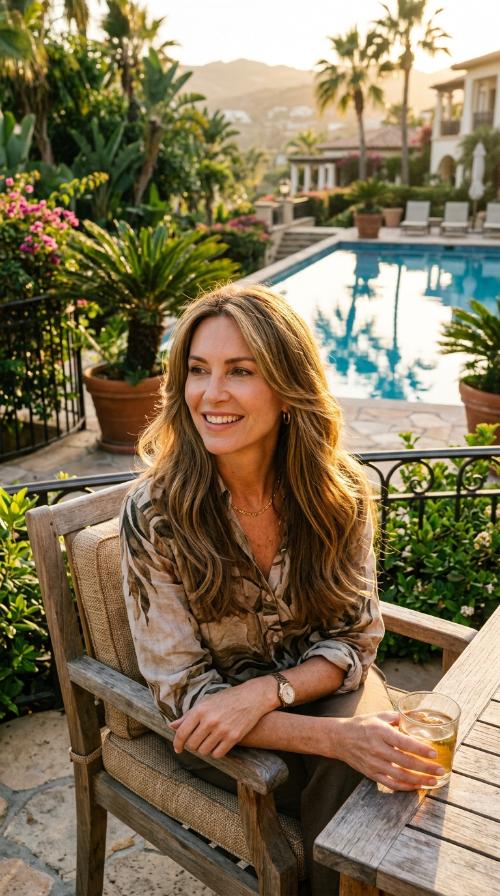
16. The Rachel 2.0
A contemporary evolution of the iconic 90s haircut, the Rachel 2.0 uses elongated, inward-curving layers that cradle the collarbones and neck. Unlike the original heavily textured crop, this version maintains long baseline lengths while delivering structured front framing.
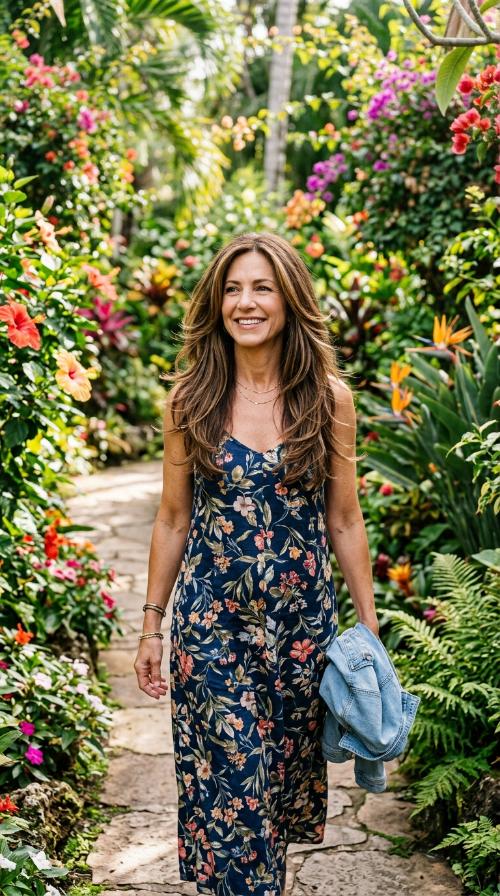
17. One-Length Blunt Cut
A precision one-length blunt cut eliminates all past layers in favor of a clean, razor-sharp baseline. Removing damaged or split ends uniformly across the entire perimeter produces a dense, glossy finish that makes fine, straight hair look noticeably thicker.
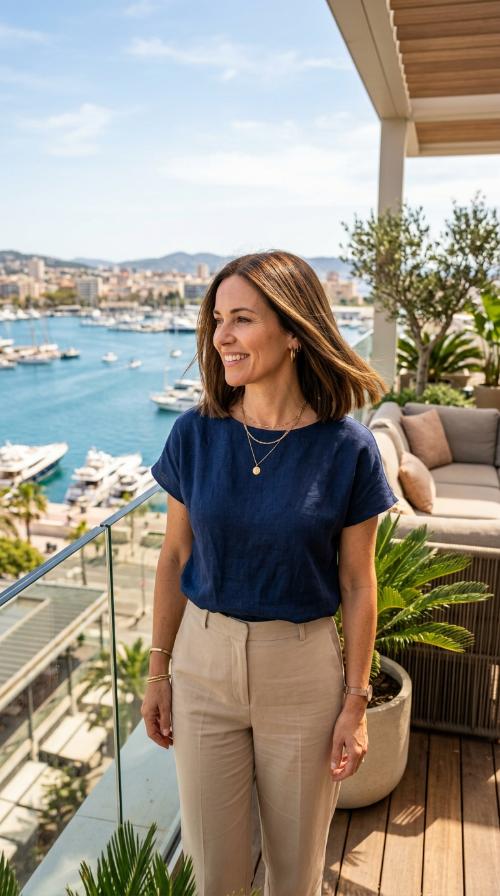
18. Side-Swept Long Fringe
A side-swept long fringe drapes across the forehead diagonally before blending smoothly into side layers. This asymmetrical flow softens square and angular face shapes, offering flexible styling options that can easily be pinned back or tucked behind the ear.
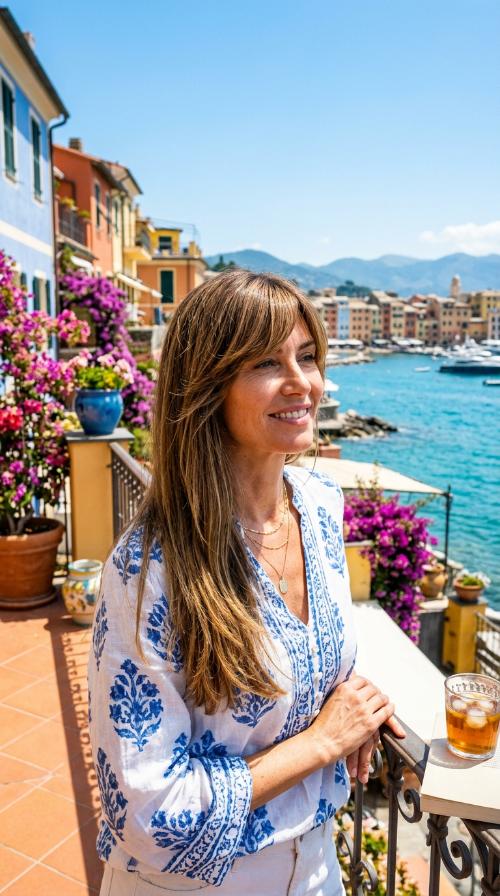
19. Long Layers with Micro Bangs
Micro bangs—cut straight or slightly textured well above the brow line—create a bold architectural focal point when juxtaposed against long hair. This editorial style opens up the eyes and brows, lending an artistic flair to straight and wavy textures alike.

Frequently Asked Questions
How do I make my long hair feel lighter without losing length?
Ask your stylist for internal debulking, point cutting, or ghost layers. These techniques selectively remove weight from the interior sections of your hair while keeping the overall baseline length intact.
Can I wear bangs if I have long hair?
Yes. Soft fringe options like curtain bangs, bottleneck bangs, and wispy fringe pair seamlessly with long hair, adding facial framing and styling versatility without requiring a drastic overall haircut.
What is the most low-maintenance haircut for long hair?
The U-shape cut paired with subtle internal layers is exceptionally low maintenance. It preserves natural wave patterns, blends easily as it grows out, and requires fewer salon touch-ups than precision blunt cuts.
How often should long hair be trimmed?
To maintain healthy ends and prevent split ends from traveling up the hair shaft, schedule a maintenance trim every 8 to 12 weeks.
Will cutting layers make fine, long hair look too thin?
Over-layering can thin the bottom perimeter, but strategic long layers and face-framing pieces actually create movement and root lift, giving fine hair the appearance of fuller, bouncier body.
What is the difference between a butterfly cut and standard layers?
A butterfly cut features distinct, disconnected shorter layers around the crown and face alongside longer base layers, creating the visual effect of two styles in one. Standard long layers are blended continuously throughout the length.