
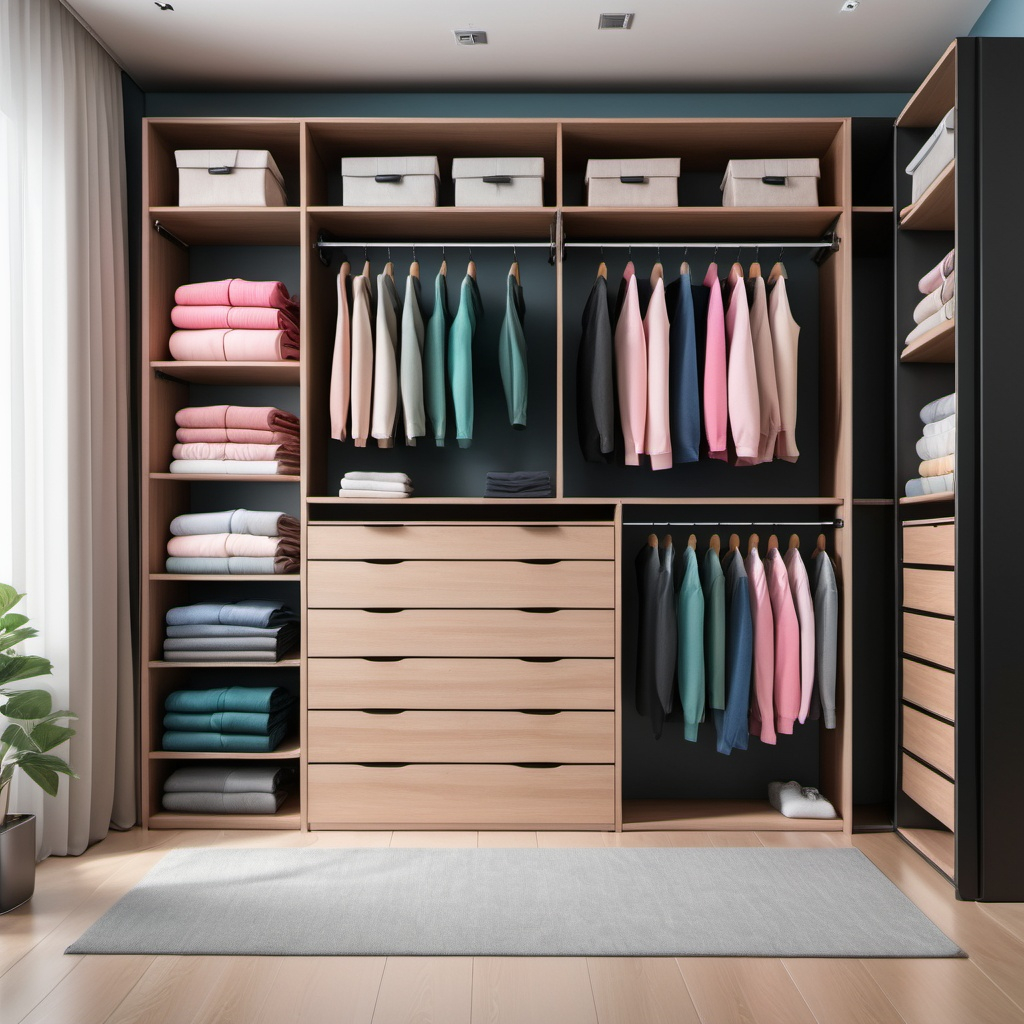
We have all experienced that overwhelming sense of dread when standing in front of a wardrobe bursting at the seams, only to sigh and whisper, 'I have absolutely nothing to wear.' This paradox of choice is a clear signal that your wardrobe has drifted from a place of inspiration into a state of visual clutter and disorganization. Over time, seasonal changes, impulse purchases, and shifting style preferences cause our drawers and hangers to become a chaotic archive of past fashion choices rather than a functional tool for daily confidence.
Closet organization is not merely a superficial weekend chore; it is an act of lifestyle design and mental clearing. When you curate your wardrobe intentionally, you minimize decision fatigue, eliminate morning stress, and uncover forgotten sartorial treasures. In this comprehensive guide, we will walk you through a transformational closet organization journey that is sustainable, therapeutic, and genuinely enjoyable.
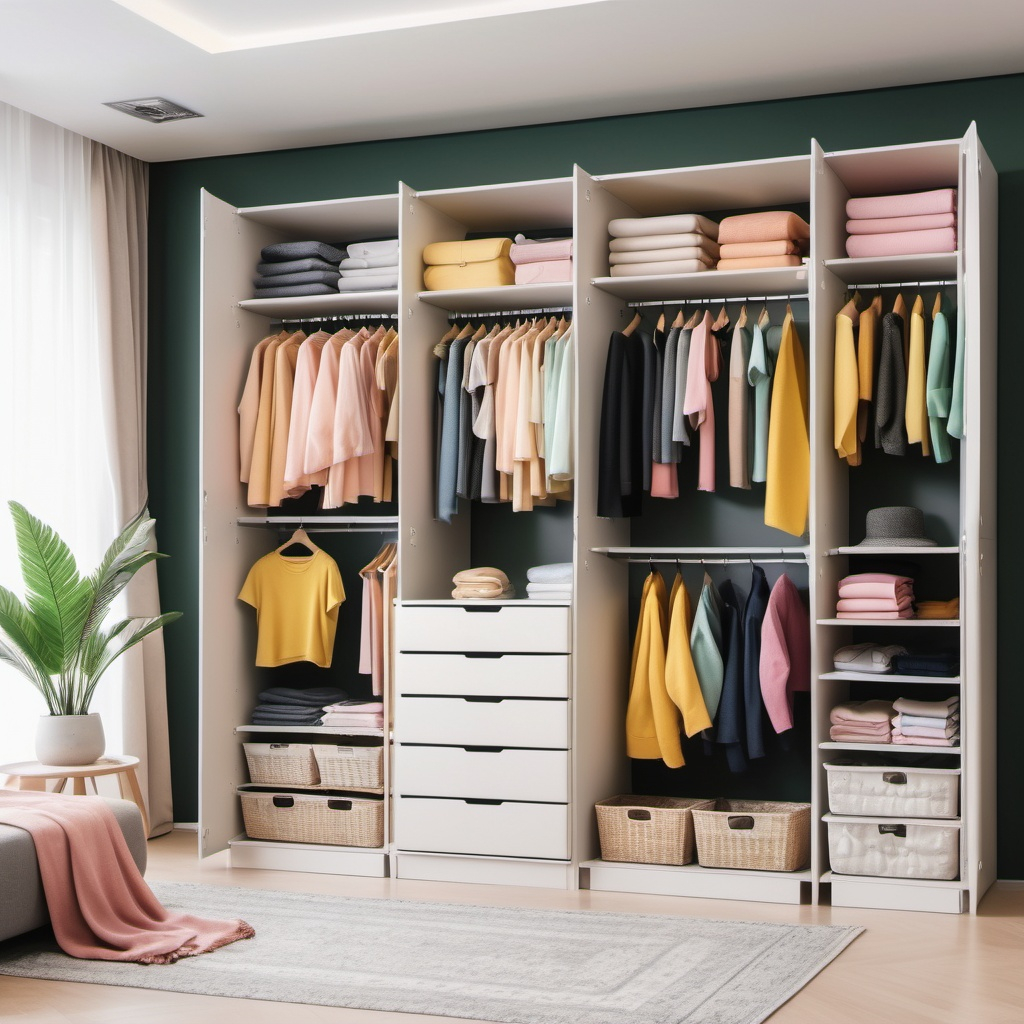
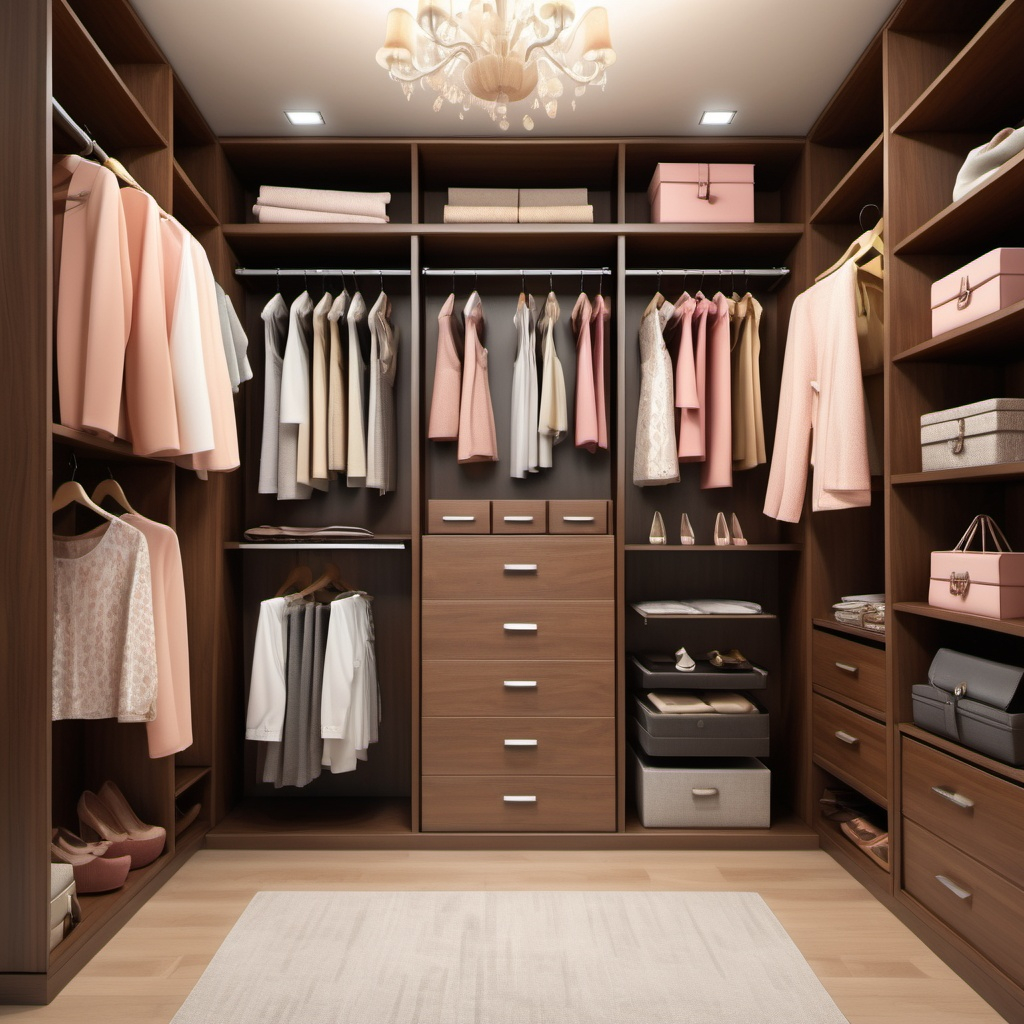
After a while, everyone's closet gets a little chaotic
It is entirely natural for a closet to accumulate clutter over time. Between busy work weeks, laundry cycles, and the rapid pace of seasonal transitions, garments naturally get pushed aside, miscategorized, and forgotten. Warm summer dresses end up buried beneath heavy winter knits, and daily-wear essentials get lost in the dark corners of deep shelving units. This accumulation doesn't just steal your physical space; it drains your mental energy every single morning.
When your physical space is cluttered, your cognitive load increases. A chaotic closet forces you to scan through hundreds of irrelevant options just to find one simple t-shirt. This visual noise makes it incredibly difficult to put together stylish, cohesive outfits. By acknowledging that wardrobe chaos is a universal struggle, we can remove the accompanying guilt and approach the decluttering process as an exciting opportunity to redesign our daily routines and elevate our style.
Recommended For You



1. Get ready! Have fun!
The first rule of successful home organization is to shift your mindset. If you approach closet cleaning as an obligatory, boring task, you will likely rush through it, cutting corners and failing to create lasting systems. Instead, transform this decluttering process into an uplifting, self-care ritual. Block off a dedicated afternoon on your calendar, play your favorite upbeat playlist or an inspiring podcast, and brew a comforting cup of tea, coffee, or pour a glass of wine.
By intentionally setting a positive atmosphere, you keep your motivation high and reduce decision fatigue during the process. Remind yourself of the ultimate reward: a beautifully streamlined closet that feels like your own personal boutique. When every morning starts with an effortlessly organized wardrobe, you reclaim precious time and begin your days feeling structured, elegant, and entirely in control.
2. Start by sorting: What stays, what goes?
To truly organize your wardrobe, you must start with a clean slate. This means executing a full-scale evacuation. Pull every single item of clothing out of your closet, drawers, and storage bins. Lay them out on a large bed or clean floor space so you can visually assess the true volume of what you own. Having everything out in the open creates a powerful cognitive shift and encourages a more objective evaluation of your wardrobe.
As you pick up each item, put emotions aside and ask yourself a few critical diagnostic questions to determine its fate: Does this item still align with my current personal style and lifestyle? Have I worn this piece at any point in the past twelve months? Does this fabric feel genuinely comfortable, or does it scratch, pull, or feel restrictive when worn? If a garment fails these tests, it does not deserve to occupy premium real estate in your home. Sort your items into three distinct piles: Keep, Donate/Sell, and Discard.
3. Organizing – find the method that works for you
Once you have successfully edited your wardrobe down to the essentials, you can choose an arrangement method that aligns with your daily habits and personal preferences. There is no single correct way to organize, but there are three highly effective, visually pleasing systems that top professional organizers rely on to maintain order.
The first option is seasonal organization. This is highly recommended for those with smaller closet footprints. By separating your spring/summer apparel from your autumn/winter knits, you ensure that only current, weather-appropriate options are within immediate reach. Off-season items can be tucked away in under-bed storage containers or vacuum bags, freeing up crucial space.
The second approach is organization by category. This system groups all similar garments together: t-shirts with t-shirts, blazers with blazers, and trousers with trousers. Grouping by category makes getting dressed highly efficient, as you can go straight to a specific section depending on the silhouette you want to build.
The third method, and perhaps the most visually stunning, is organization by color. Arranging your garments in a smooth gradient from light to dark creates a gorgeous, harmonious boutique feel. It allows your brain to locate specific items instantly and turns your daily wardrobe selection into a sensory-friendly, highly organized routine.
4. Make use of the space!
To maximize a closet of any size, you must learn to think vertically and three-dimensionally. Most closets feature vast areas of underutilized space above hanging rods and below shorter hanging garments. By investing in smart storage solutions, you can dramatically increase your storage capacity while keeping your clothes visible and in pristine condition.
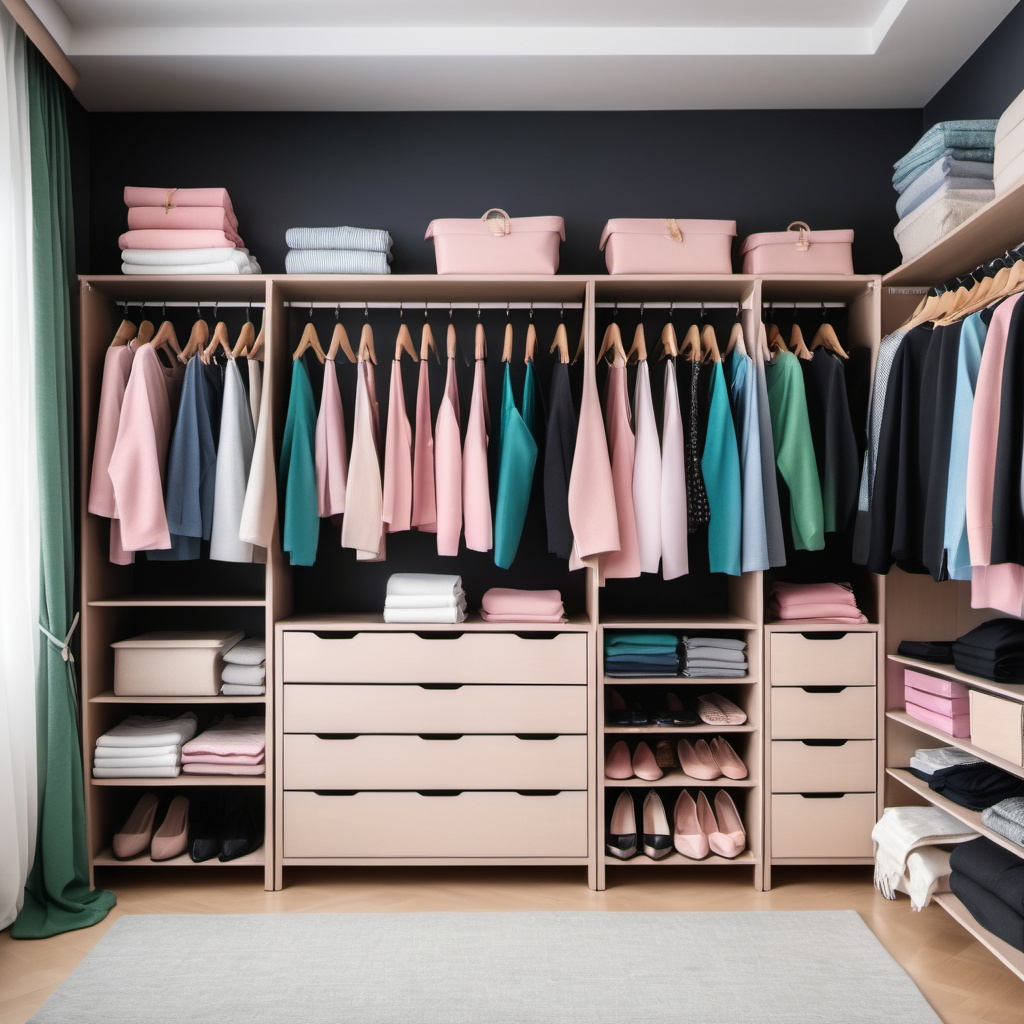
Consider implementing these three highly functional space-saving tools:
- Drawer organizers: Utilize modular dividers and shallow bins to keep smaller items like underwear, socks, belts, and jewelry neatly separated and easily viewable instead of tossed into a tangled heap.
- Adjustable shelving and double rods: If your closet design allows, adjust shelf heights to fit your specific footwear or folded knits perfectly. Installing a secondary, lower hanging rod beneath your shirts allows you to double your hanging capacity for folded pants and skirts.
- Baskets and storage boxes: Uniform woven baskets or clear acrylic boxes are perfect for high shelves. Use them to store out-of-season items, swimwear, or winter accessories. Keeping them labeled ensures you never have to guess what is stored inside.
5. Little tricks that make tidying up easier
Maintaining a organized closet doesn't require hours of daily work; instead, it relies on simple, low-effort habit loops that prevent clutter from accumulating in the first place. By adopting a few clever organizing hacks, you can keep your closet looking professionally styled with minimal ongoing effort.
The first essential standard is the one-in, one-out rule. For every brand new clothing item you purchase and bring home, you must choose one older item to donate, sell, or recycle. This simple boundary keeps your overall wardrobe volume stable and completely eliminates future clutter creep.
Another incredible visual trick is the hanger-reversing technique. At the start of a season, turn all your clothing hangers so they face backward on the rod. Whenever you wear an item and return it to the closet, hang it with the hanger facing forward. After six months, you will have a clear, undeniable visual record of exactly which clothes you actually wear and which ones are simply taking up valuable space.
Lastly, keep a digital wardrobe catalog on your phone. Snapping quick photos of your favorite outfits or individual garments makes it easy to plan outfits while traveling, prevents you from purchasing duplicate styles, and keeps your wardrobe fresh in your mind.
6. Keep order!
The true secret to a beautiful wardrobe is consistent maintenance. Organizing is not a one-time project, but an evolving lifestyle practice. Dedicate just five minutes at the end of each week to return stray garments to their proper hangers, refold sweaters, and clear away empty hangers. Doing these minor adjustments regularly prevents small messes from snowballing into overwhelming clutter.
An organized closet reduces stress, saves you time, and fosters mental clarity. When your physical space is clean and structured, your mind feels calmer and more focused. By treating your wardrobe with respect, you transform your daily routine into a reliable source of confidence, peace, and creative inspiration.
How do I start organizing my closet when it feels overwhelming?
When faced with a mountain of clothes, the easiest way to prevent overwhelm is to start small. Instead of emptying your entire wardrobe at once, focus on a single category, such as knitwear, shoes, or t-shirts. Remove only that specific group of items and sort them into clear piles: keep, donate, and discard. This focused approach makes the process highly manageable, prevents visual chaos in your bedroom, and builds momentum to tackle the rest of your closet step-by-step.
What is the most efficient way to organize clothes in a small closet?
In a small closet, maximizing vertical and underutilized space is critical. Start by replacing bulky plastic or wooden hangers with ultra-slim velvet hangers; this simple swap can increase your hanging capacity by up to 50%. Utilize vertical hanging organizers for sweaters, install double-hanging rods to separate tops and bottoms, and place stackable, labeled storage bins on upper shelves. Grouping items strictly by category and color also creates a cleaner, more spacious visual effect.
How often should I declutter my closet?
You should ideally perform a thorough closet declutter twice a year, specifically during seasonal transitions like spring/summer and autumn/winter. This bi-annual routine allows you to clean out-of-season clothes, inspect garments for wear and tear, and evaluate what you actually wore over the past six months. Regular check-ins prevent clutter from quietly building up and ensure your closet remains highly functional year-round.
What should I do with clothes I’m unsure about keeping?
For items that spark hesitation, implement the highly reliable 'six-month box rule.' Place all debatable clothes in a designated box, label it with a date six months in the future, and store it out of sight. If you do not retrieve or think about any of those items within that timeframe, it is a clear sign that you can confidently donate, sell, or recycle them without any lingering regret.
How can I make my closet look aesthetic and organized?
To achieve a beautiful, boutique-style closet aesthetic, prioritize uniformity and visual consistency. Use identical hangers throughout the closet, group your clothes in a gradient from light to dark colors within each category, and invest in matching storage bins or woven baskets. Adding simple LED strip lighting to dark shelves and introducing a pleasant, subtle scent like lavender or cedar will instantly elevate the sensory experience of getting dressed.
How can I maintain an organized closet long-term?
Long-term closet maintenance relies on simple daily habits. Practice the strict 'one-in, one-out' rule to keep your total inventory balanced. Dedicate a few minutes every Sunday evening to reset your wardrobe—re-aligning hangers, folding stray pants, and clearing clutter. Maintaining a dedicated basket in your closet for donations also makes it incredibly easy to discard items the moment you realize they no longer suit you.
What are some must-have products for closet organization?
To elevate your closet organization system, invest in high-quality, practical tools. Non-slip velvet hangers are essential for saving space and protecting delicate fabrics. Acrylic shelf dividers are perfect for keeping folded sweaters from tipping over, while modular drawer organizers keep undergarments and accessories tidy. Clear, stackable plastic shoe boxes or structured linen bins with clear labels are also excellent for maintaining order and visibility.